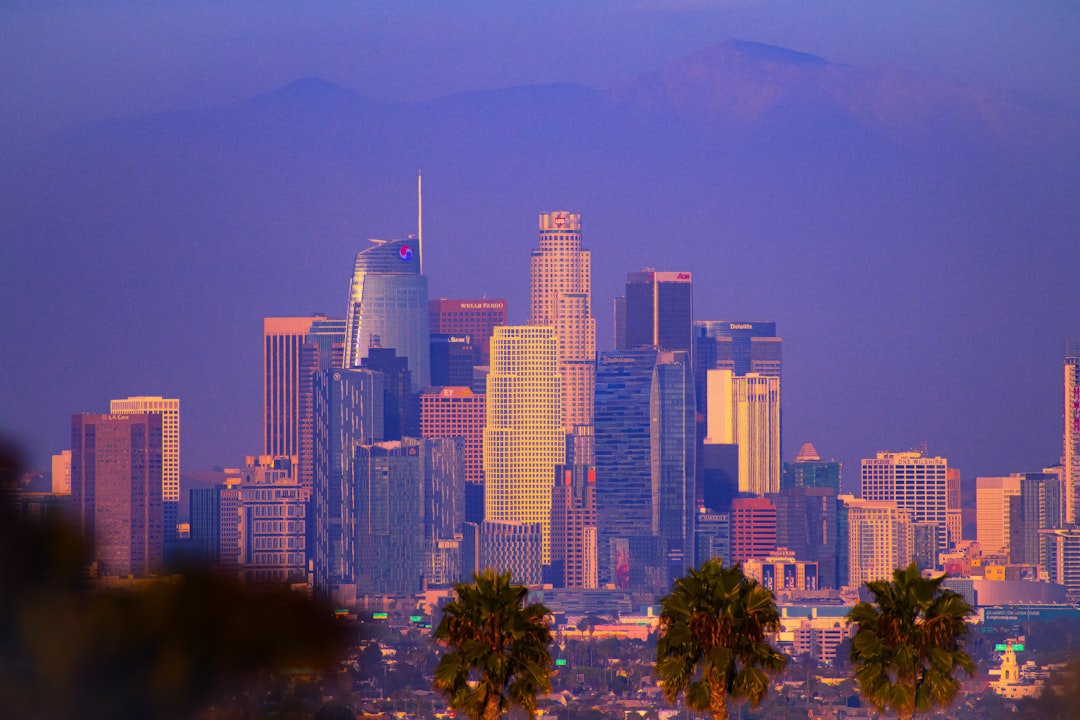
On a Tuesday morning in MacArthur Park, the plaza that has long served as an informal gathering spot for day laborers and immigrants, dozens of people wait near the water fountain hoping for work. This scene—replicated across Echo Park, Koreatown, and downtown's Arts District—didn't emerge overnight. It is the product of three decades of policy choices, court decisions, and demographic shifts that have fundamentally shaped Los Angeles into one of America's most immigrant-friendly cities.
The trajectory began in the 1990s. When California voters passed Proposition 187 in 1994, which sought to deny public services to undocumented immigrants, Los Angeles became ground zero for the backlash. The measure never took full effect, struck down by federal courts, but the political battle it sparked catalyzed a generational shift. Community organizations across South Los Angeles, the San Gabriel Valley, and beyond mobilized immigrant constituencies in ways that ultimately redefined the city's political calculus.
Fast forward to 2012, when Los Angeles officially adopted sanctuary city policies, limiting local police cooperation with federal immigration enforcement. The decision reflected demographic reality: approximately 36% of LA's 3.9 million residents are foreign-born, according to census data, with the largest populations from Mexico, El Salvador, Guatemala, Philippines, and China. These communities had become economically and culturally integral to the city's identity.
The legal landscape shifted again in 2020 when LA expanded its Advancement Project protections, and this year's Supreme Court ruling upholding birthright citizenship reaffirmed federal parameters within which cities like Los Angeles operate. Meanwhile, housing pressures have intensified—average rents in traditionally immigrant neighborhoods like Boyle Heights and Historic Filipinotown have doubled in the past decade, creating new vulnerabilities even as the city maintains its progressive stance.
Today, organizations like Coalition for Humane Immigrant Rights (CHIRP), headquartered in downtown LA, and the Coalition for Immigrant Rights work within a framework that earlier generations fought to establish. The city's commitment to remaining a sanctuary reflects not charity, but hard-won political power that immigrant communities accumulated through decades of organizing.
Yet current global crises—the Venezuelan earthquake's displacement effects, ongoing Central American violence, and broader geopolitical instability—test the infrastructure LA built. The city's approach to immigration cannot be separated from this historical context: it represents the outcome of specific choices made by residents and policymakers who rejected the anti-immigrant trajectory of the 1990s.
This article was compiled by AI and screened before publishing. See our editorial standards.