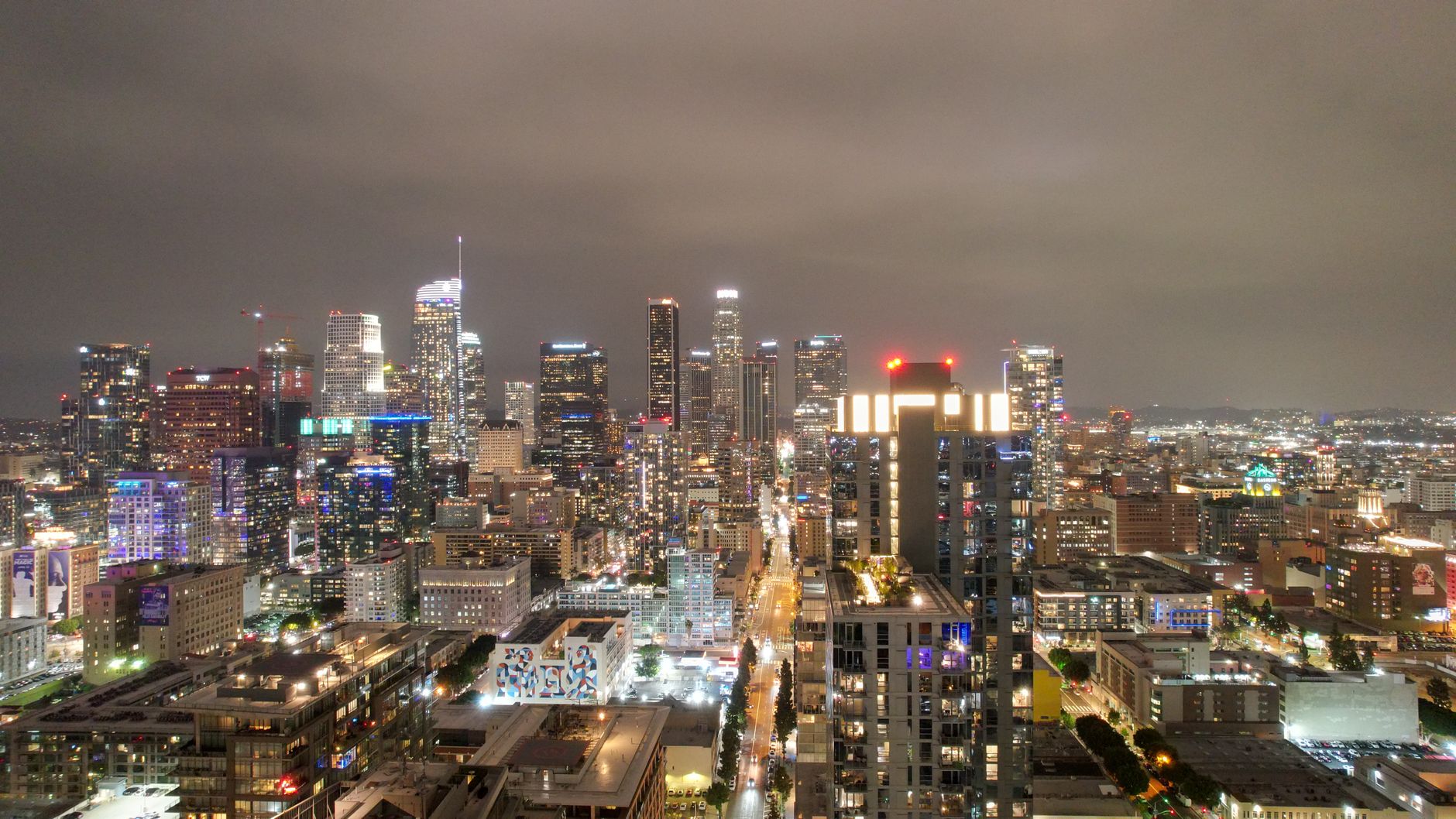
For Maria Rodriguez, a teacher at Los Feliz Elementary, the numbers tell a story she lives every day: the median rent in her Echo Park neighborhood has climbed to $2,400 for a one-bedroom apartment, a 47% increase since 2020. Yet when the City Planning Department announced its Mixed-Use Corridor Initiative last month, affecting six blocks along Sunset Boulevard where she's rented for twelve years, Rodriguez found herself outside the decision-making room.
"They held meetings at 2 p.m. on a Tuesday," she said in an interview. "How are working people supposed to attend?" Her frustration reflects a broader tension gripping Los Angeles as housing policy decisions advance with limited input from residents most affected by them.
The city's Regional Housing Needs Allocation requires Los Angeles to plan for 456,000 new homes by 2029. While officials frame this as essential to address the crisis—the average home price now exceeds $750,000—community members in historically working-class neighborhoods worry they're being erased by development rather than served by it.
In Boyle Heights, where Latino residents comprise 95% of the population, the proposed zoning changes on Whittier Boulevard have sparked particular concern. Local nonprofits including the Boyle Heights Community Services have organized town halls after City Hall meetings, trying to reach people through Spanish-language outreach and weekend sessions. Their message: development shouldn't mean displacement.
"We support housing," explained David Solis, director of community organizing at BHCS. "But we're asking—who gets to live in these new units? At what cost?" Current city projections suggest only 15% of new housing will remain affordable to households earning under 60% of area median income.
The city has begun adjusting its approach. After pushback from South Los Angeles residents, the Department of City Planning extended comment periods and added evening community meetings for the Crenshaw District rezoning proposal. Yet advocates argue these remain band-aid solutions to a systemic problem: planning happens at the top, community input arrives as afterthought.
Councilmember Eunisses Hernandez, who represents District 14 covering parts of downtown and northeast LA, acknowledged the tension. "Development is coming regardless," she told reporters in June. "The question is whether residents shape it or get shaped by it."
As July begins, community organizations across the city are training residents in planning language and policy frameworks—preparing ordinary Angelenos to fight for their neighborhoods with data and expertise rather than just emotion. Whether that's enough remains uncertain.
This article was compiled by AI and screened before publishing. See our editorial standards.