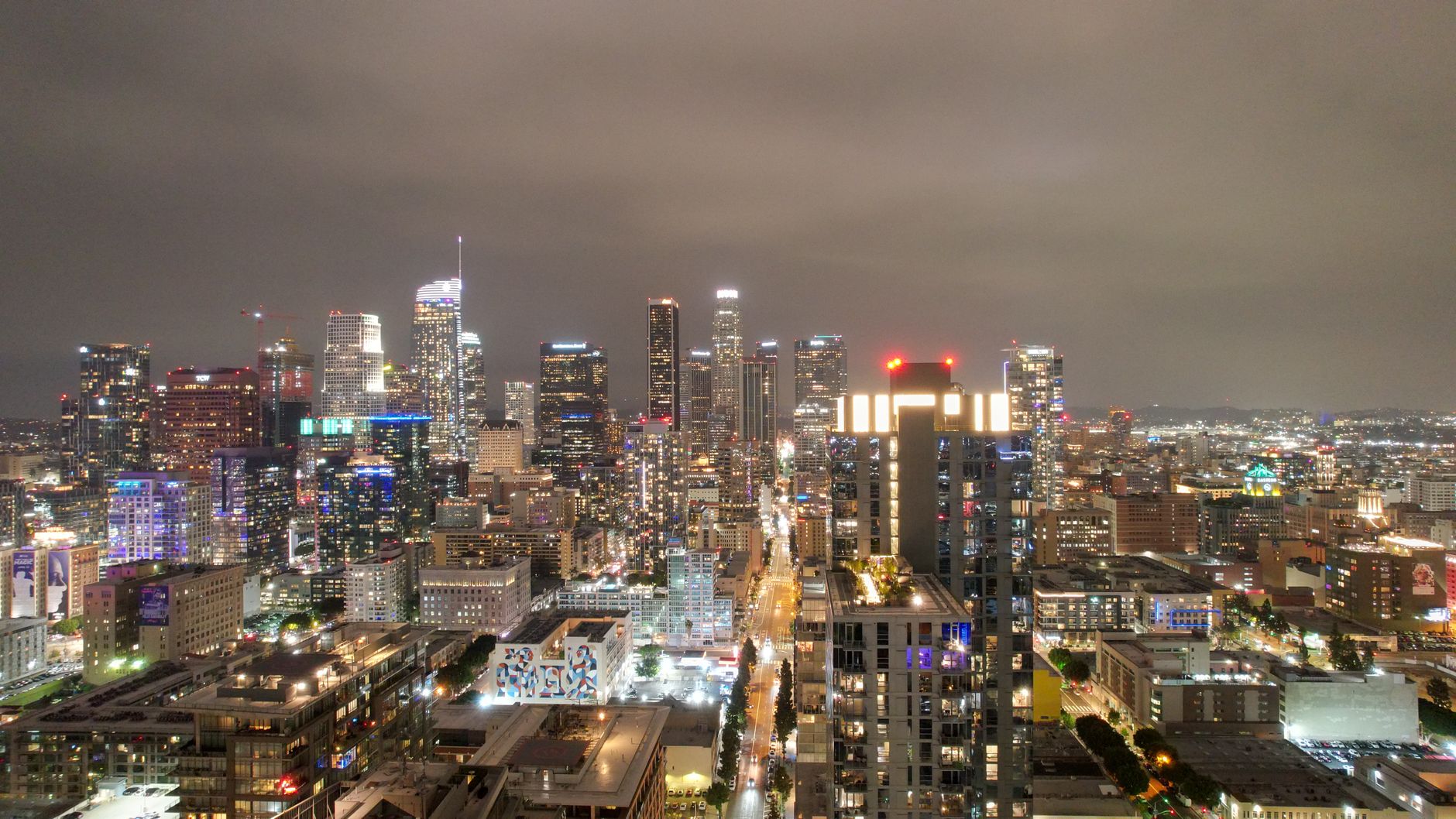
Los Angeles is confronting an uncomfortable arithmetic. The numbers tell a story that City Hall's ambitious rhetoric has struggled to match.
According to the latest quarterly report from the Southern California Association of Realtors, the median home price in Los Angeles County reached $729,000 in Q2 2026—a 47% increase from $496,000 in 2021. Meanwhile, data from the LA Housing Department shows the city has produced just 12,847 affordable units over the past five years, falling drastically short of the 36,000-unit target embedded in the city's 2021 Housing Element mandate.
The disparity is starker when examining specific neighborhoods. In Silver Lake, where median prices have climbed to $1.2 million, the Community Plan area approved only 340 new units citywide last year—roughly one-tenth of what demographers estimate is needed annually to offset demand. Downtown LA presents a different puzzle: despite 18,500 residential units completed since 2015, homelessness in the Central City neighborhood increased 23% between 2023 and 2026, according to the LA Homeless Services Authority.
The data exposes fundamental disconnects in the city's approach. The Planning Department reports that zoning restrictions still prohibit multi-family housing on 72% of residentially zoned land in single-family neighborhoods across the Westside, Valley, and coastal communities. Yet the same neighborhoods account for only 8% of new housing production citywide, despite housing 31% of the city's population.
Financing presents another numerical challenge. The Community Development Trust, which manages LA's affordable housing funding, dispersed $487 million in 2025—significant, but insufficient. At current production rates, it would take 14 years to build out the Housing Element's five-year goals.
Some metrics show modest progress. The city's Transit-Oriented Communities program, which streamlines approvals near metro stations, has enabled 4,200 units approved since 2019. The Department of City Planning notes that applications for projects over 20 units increased 31% year-over-year—suggesting developer appetite exists.
But the fundamental equation remains unbalanced. With household formation exceeding 35,000 annually in LA County, while the city produces fewer than 3,000 affordable units per year, the gap widens measurably. Housing insecurity affects approximately 41% of LA renters spending more than 30% of income on housing costs, according to recent UCLA research.
The numbers suggest that incremental policy adjustments—streamlined zoning here, incentivized development there—may no longer suffice. The scale of production required to shift these metrics would demand sustained investment, regulatory reform, and political will that transcends electoral cycles. Until those numbers align, Los Angeles's housing crisis will continue advancing by one statistical disappointment at a time.
This article was compiled by AI and screened before publishing. See our editorial standards.