How LA's Housing Crisis Became the Central Battle for City Hall Control
Understanding the policy decisions and political realignments that made affordable housing the defining issue in this year's municipal elections.
Understanding the policy decisions and political realignments that made affordable housing the defining issue in this year's municipal elections.
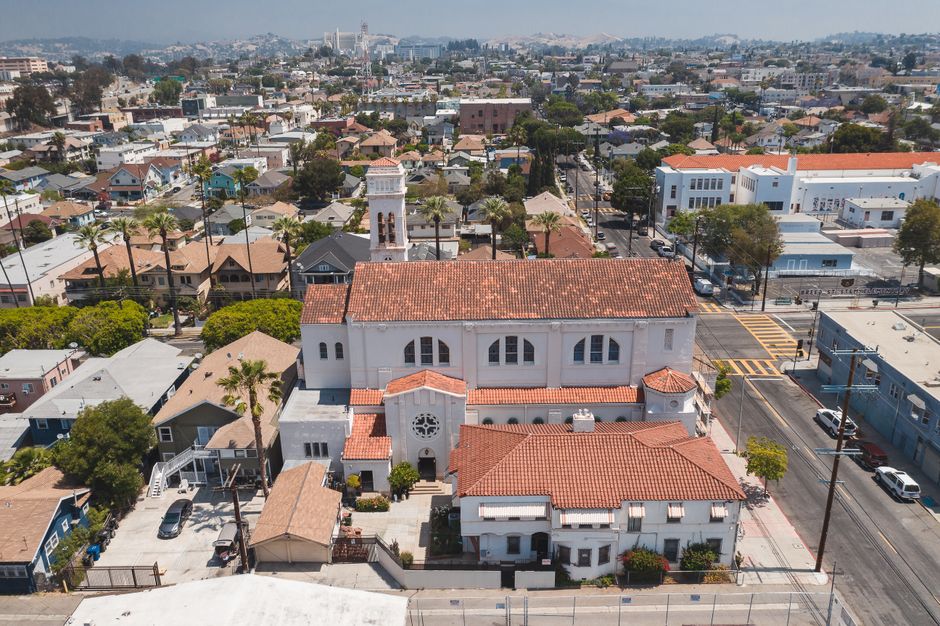
Los Angeles stands at an inflection point in its governance. The current City Council composition—shaped by elections stretching back to 2020—has navigated unprecedented pressures: a homeless population exceeding 41,000 people, median rents in neighborhoods like West Hollywood exceeding $3,200 monthly, and a chronic shortage of units built to meet demand. To understand why housing policy now dominates every council meeting from downtown to the San Fernando Valley, we must trace how a series of decisions created the conditions for today's political realignment.
The 2020 election cycle brought progressive candidates to power partly on promises to reform zoning codes that had restricted density across single-family neighborhoods for decades. The Adaptive Reuse Ordinance, enacted in the early 2000s, had converted some downtown lofts, but critics argued the city remained too restrictive. Meanwhile, construction costs climbed steadily—materials, labor, and environmental compliance now regularly push new developments to $800,000 per unit or higher in central neighborhoods, pricing out middle-income families entirely.
The pandemic accelerated these tensions. Remote work initially promised to relieve pressure on coastal areas, yet wealthy buyers from San Francisco and New York actually intensified competition for LA properties. Simultaneously, Proposition 13's property tax limits—in place since 1978—constrained municipal revenue for services and housing assistance programs, creating structural budget pressures that persist today.
By 2023, the city's own housing and community investment department reported that only 5,000 new units were being produced annually, far below the 25,000-unit annual target outlined in the Regional Housing Needs Assessment. Meanwhile, the Real Estate Council of Los Angeles documented that construction timelines averaged 8-10 years from proposal to occupancy due to environmental review processes and neighborhood opposition.
Recent council dynamics shifted visibly after last year's elections in districts spanning from the Westside to Northeast LA. Younger council members began pushing for streamlined approvals and upzoning near transit corridors—particularly along the Metro's expanding network. Yet resistance crystallized from homeowner associations in areas like Los Feliz, Silver Lake, and Brentwood, creating fractious debate at city planning commission hearings.
The current stalemate reflects this deeper struggle: between those viewing dense development as essential to affordability and those concerned about neighborhood character and infrastructure strain. Upcoming votes on the proposed transit-oriented development framework and the revised zoning code will reveal whether the council can forge consensus or whether these divisions harden further.
This is not merely technical policy work. It represents competing visions of what Los Angeles becomes.
This article was compiled by AI from the sources linked above and screened before publishing. See our editorial standards.
How does this story make you feel?
Spread the word
About this article
Published by The Daily Los Angeles
Daily brief
Free, in your inbox before 7am. Weekdays.
More in News