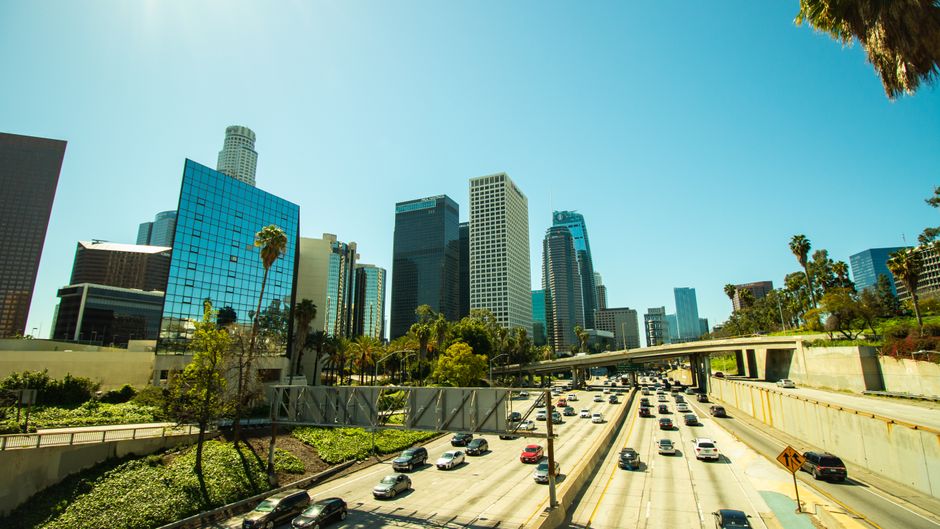
Los Angeles stands at a crossroads. With the city's 2026-27 fiscal year budget due for approval by early August and three major infrastructure projects awaiting City Council votes this summer, municipal leaders face decisions that will reverberate across neighbourhoods from Silver Lake to Long Beach for years to come.
The most immediate pressure point is the $12.7 billion general fund budget—the largest in city history, yet still $340 million short of meeting proposed homelessness initiatives, according to departmental estimates. The Los Angeles Homeless Services Authority has requested $1.2 billion in city funding to expand shelter capacity and permanent supportive housing, particularly along the Central City East corridor and in South Los Angeles encampments. City Controller's office audits suggest current spending yields only 15 placements per million dollars invested, raising questions about programme efficiency that Council members will grapple with before the August recess.
Running parallel to budget deliberations is a contentious vote on the Sixth Street Transit Village project in downtown LA. The mixed-use development, proposed for the Arts District border, would add 650 housing units but requires zoning variances that opponents argue contradict the city's updated General Plan. The Planning and Land Use Management Committee postponed its June meeting, signalling internal divisions that suggest the full Council vote—currently scheduled for mid-July—could be delayed further.
A third flashpoint involves the contested Metro Purple Line extension to the Wilshire corridor. Originally slated for completion in 2027, cost overruns and underground utility conflicts have prompted Metro officials to request $380 million in additional city matching funds. The City Council's Infrastructure and Services Committee meets July 8 to discuss whether LA can absorb these costs without raiding reserves already depleted by recent infrastructure repairs on Sepulveda Boulevard and in the 110 corridor.
These decisions arrive amid shifting political dynamics. Three Council members face recall efforts, while two others have announced retirement plans, creating uncertainty about coalition-building for contentious votes. Meanwhile, grassroots organisations across Echo Park, Boyle Heights, and Koreatown have mobilised constituents to lobby for specific funding priorities, intensifying pressure on representatives.
What happens next will largely depend on whether the Council can broker compromises on budget priorities by late July. If negotiations stall, emergency sessions may extend into August—an unusual move that would signal dysfunction to city employees and investors already questioning LA's governance capacity. The coming weeks will reveal whether this Council can deliver.
This article was compiled by AI from the sources linked above and screened before publishing. See our editorial standards.