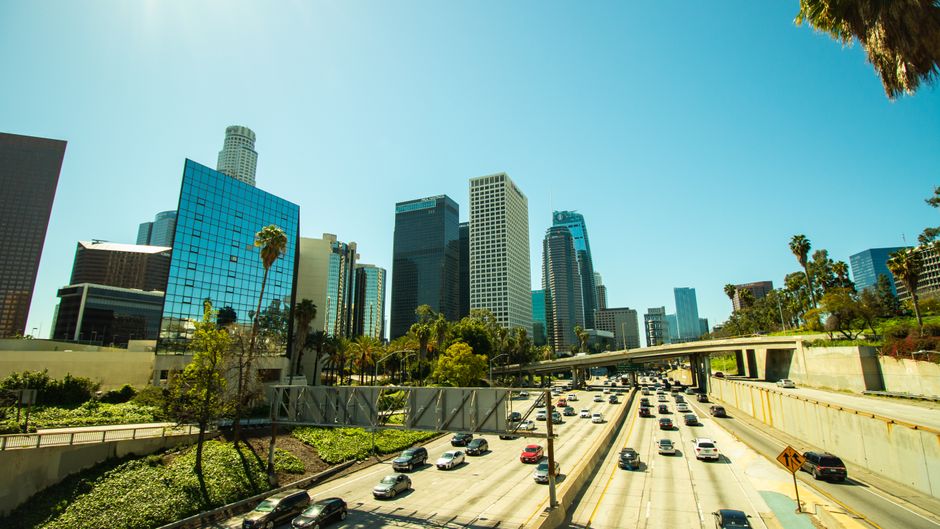
When the Los Angeles Department of Building and Safety enforced stricter sustainability standards across the city in 2025, few residents realized how directly it would affect their monthly expenses. Now, a year later, early data shows that properties built or retrofitted under the new Green Building Standards are saving owners an average of $1,200 annually in energy costs—a figure that matters deeply in a city where rent and utilities consume roughly 35% of household budgets.
The shift has been most visible along the Wilshire Corridor and in rapidly developing neighborhoods like Arts District and Highland Park, where new residential and commercial projects now feature mandatory solar installations, advanced insulation, and smart water management systems. The Metropolitan Water District reports that LA residents have collectively reduced per-capita water usage by 8% since the standards took effect, a significant achievement during a prolonged drought.
"We're not just building differently—we're building for people who actually live here," says the urban development community, which has embraced the standards after initial resistance. Projects like the Figueroa Corridor Housing Initiative, stretching through South LA neighborhoods from Exposition Park to Manchester Avenue, now incorporate cool roofing and permeable pavement designed to reduce the urban heat island effect that makes some South LA neighborhoods 7 degrees warmer than affluent areas like Pacific Palisades.
The economic benefits extend beyond individual utility savings. Local job creation has surged as the city requires sustainable construction practices—electricians trained in solar installation, HVAC technicians certified in efficient systems, and weatherization specialists now command premium wages across Los Angeles County. Trade unions report a 22% increase in apprenticeships focused on green building skills since 2024.
Not everyone embraces the transition smoothly. Older buildings in Koreatown, Silver Lake, and Long Beach face hefty retrofit costs, and some small landlords worry about affordability impacts. The city has responded with grants and low-interest loans through the LA Department of Water and Power, helping building owners fund upgrades while protecting tenants from sudden rent increases.
Public spaces have transformed too. The restored LA River corridor now features native plantings that support local wildlife while managing stormwater naturally. Parks departments expanded urban gardens in Boyle Heights and Watts, addressing food deserts while building community resilience.
As climate impacts intensify—heat waves, water scarcity, air quality challenges—sustainability isn't abstract policy for Los Angeles residents. It's becoming as essential as a good transit connection, directly shaping neighborhood livability and household finances.
This article was compiled by AI from the sources linked above and screened before publishing. See our editorial standards.