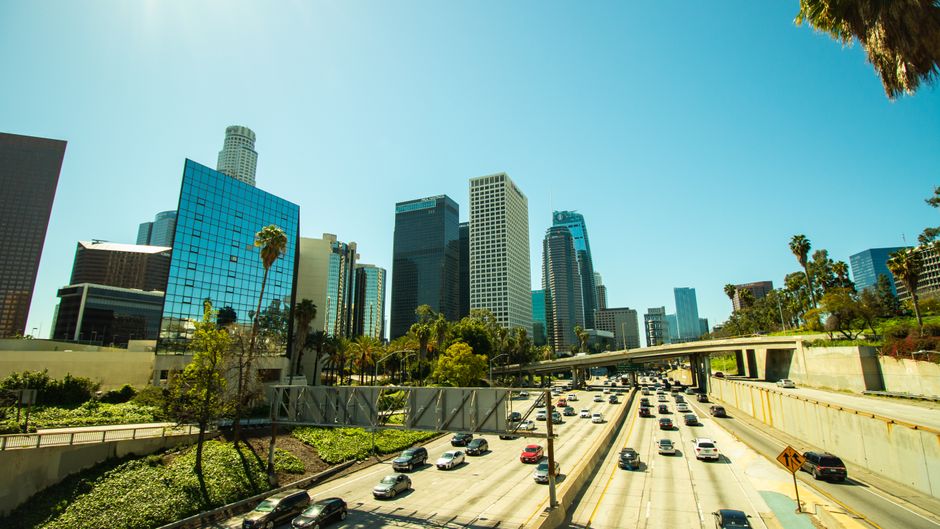
Los Angeles stands at a critical juncture on housing policy, with City Council members facing mounting pressure to act decisively on a crisis that has quietly intensified over two decades. To understand where we are today—and why solutions remain elusive—requires examining the specific decisions, missed opportunities, and political dynamics that brought the city to this point.
The roots run deep. In the early 2000s, when median home prices in neighborhoods like Los Feliz and Echo Park hovered around $400,000, city planners and elected officials had opportunities to streamline development approvals. Instead, Byzantine zoning restrictions remained largely untouched. The 2008 financial crisis temporarily masked the underlying problem, but when the economy recovered around 2012, demand for housing in Los Angeles exploded—and supply couldn't keep pace.
By the mid-2010s, the shortage had become undeniable. Renters in Mid-Wilshire were paying 40 percent of their income toward housing costs. Developers faced 18-month approval processes for projects that took two years to build. Community opposition to new construction, particularly around areas like Koreatown and Palms, stalled dozens of proposals through protracted neighborhood council battles.
The 2018 passage of SB 540, state legislation allowing by-right approvals for affordable housing projects, offered a pathway forward—yet implementation lagged. Between 2018 and 2023, Los Angeles added roughly 40,000 housing units citywide, far short of the 60,000 annual units planning experts deemed necessary to stabilize prices. Meanwhile, median rent climbed past $2,400 per month for a one-bedroom apartment.
Political divisions fractured the City Council into camps. Some members championed density near transit corridors like the Metro Red Line; others prioritized protecting single-family neighborhoods. Homelessness, surging from 35,000 individuals in 2015 to over 70,000 by 2024, became entangled with housing debates, making the issue simultaneously a moral crisis and a political football.
The recent shift in City Hall—with new council members taking office and state housing legislation expanding local authority—has created momentum. Yet fundamental questions persist: Can the city rezone faster without triggering lengthy legal challenges? Will developers respond to incentives if the approval process remains cumbersome? How do affordable housing requirements coexist with market-rate development?
These aren't new questions. They've haunted Los Angeles for years. What's changed is urgency. Neighborhoods from Boyle Heights to West LA are watching closely as the council attempts what previous iterations could not.
This article was compiled by AI from the sources linked above and screened before publishing. See our editorial standards.