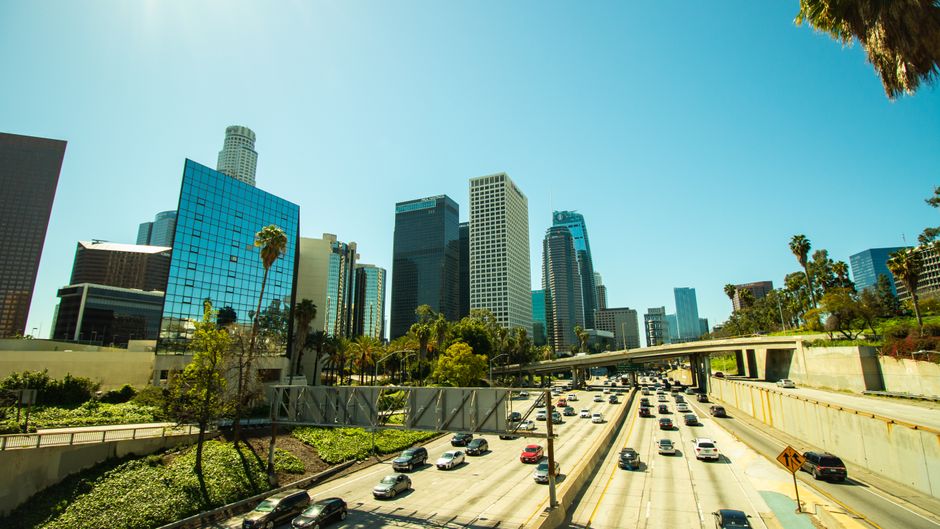
Walking through Downtown Los Angeles on a June afternoon, the heat radiating from concrete and asphalt is unmistakable. But city officials and community leaders are banking on a fundamental shift: transforming neighbourhoods into cooler, healthier places where residents spend less on energy bills and breathe cleaner air.
The Los Angeles Department of Water and Power has ramped up its Cool LA initiative, targeting $500 million in energy savings over the next decade through residential retrofits, cool roofing programs, and expanded urban forestry. For families already struggling with summer cooling costs—averaging $200-300 monthly for air conditioning in Koreatown and East LA—this matters enormously.
"We're talking about real money in people's pockets," says the programme, which offers rebates up to $5,000 for home energy efficiency upgrades. Residents in neighbourhoods like Boyle Heights and South Los Angeles, where median household incomes hover around $35,000-40,000 annually, stand to benefit significantly from reduced utility expenses and improved indoor air quality.
The initiative extends beyond individual homes. The city has committed to planting 90,000 new trees across LA's hottest neighbourhoods by 2028—a direct response to data showing that parts of South Central and the San Fernando Valley regularly register 10-15 degrees hotter than coastal areas. Trees provide shade, reduce ambient temperature, and improve air quality—particularly critical given that portions of LA still exceed federal air quality standards.
Community centres like those operated by the Los Feliz Improvement Association and neighbourhood councils from Westchester to Lincoln Heights are distributing information about rebate programmes and free home energy audits. The city has also partnered with organisations across Koreatown and Thai Town to ensure multilingual outreach reaches non-English speaking households that historically have lower participation rates in efficiency programmes.
The sustainability push addresses another urgent local issue: the urban heat island effect. Research shows that neighbourhoods with fewer trees and more pavement experience significantly higher mortality rates during heat waves—events now lasting 20+ days annually in LA, double the frequency from the 1980s.
For families on fixed incomes, seniors in overcooled apartments, and working parents balancing energy bills against rent increases, these initiatives represent tangible climate action. It's not abstract policy—it's cooler homes, lower bills, and a more liveable city.
Residents can learn more about LADWP rebates and cool roof programmes at ladwpnews.com or by visiting local neighbourhood council meetings throughout July.
This article was compiled by AI from the sources linked above and screened before publishing. See our editorial standards.