LA's Neighborhood Revival Plans Face New Tests, Officials Say
City leaders and urban planners outline ambitious but uncertain strategies to revitalize struggling commercial corridors across Los Angeles.
City leaders and urban planners outline ambitious but uncertain strategies to revitalize struggling commercial corridors across Los Angeles.
As Los Angeles enters the final half of 2026, municipal officials and community development experts are reassessing the city's patchwork approach to neighborhood revitalization, citing both progress and persistent challenges in districts spanning from Silver Lake to South Los Angeles.
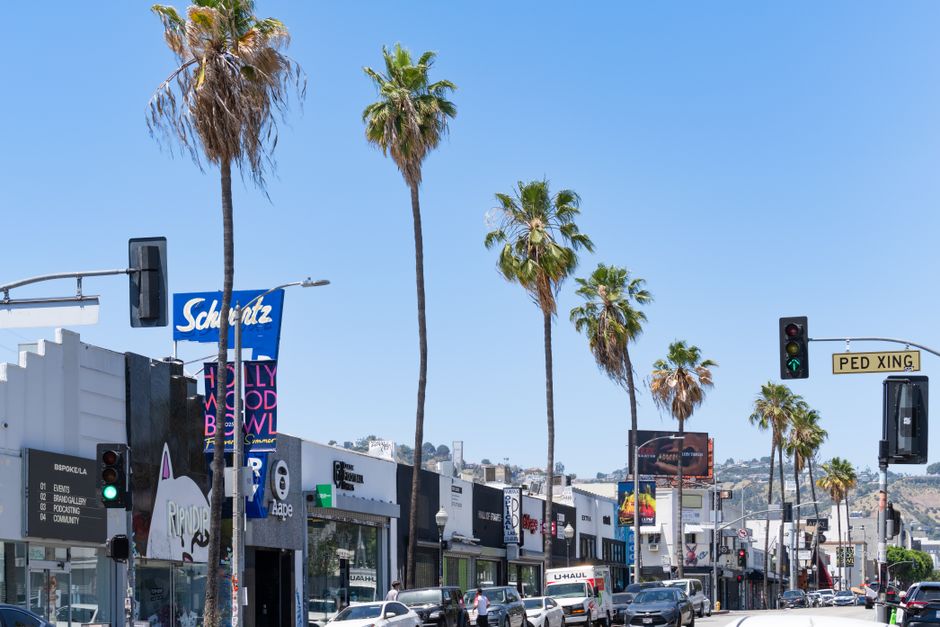
At a June meeting of the Los Angeles City Council's Planning and Land Use Management Committee, department leadership presented findings from a year-long study of commercial corridor recovery efforts across eight neighborhoods, including Vermont Avenue in Los Feliz, Figueroa Street in Highland Park, and the aging retail strips along Whittier Boulevard in East Los Angeles. The analysis revealed mixed results: while foot traffic on Vermont Avenue increased 23% following storefront improvements and facade grants, similar investments in other areas saw modest or negligible gains.
"We're learning that community investment isn't one-size-fits-all," said a spokesperson for the Department of City Planning, emphasizing that each neighborhood requires tailored strategies based on local demographics, property ownership structures, and existing business ecosystems. The department has allocated $4.2 million in grants for the current fiscal year targeting small business support and street-level improvements.
Meanwhile, the Los Angeles Business Council and local chamber organizations have intensified their advocacy for addressing the cost-of-living pressures facing small merchants. Storefront rents in previously affordable neighborhoods have climbed 15-18% over the past two years, according to commercial real estate analysts, pushing longtime family businesses to relocate or close entirely.
Community organizations working on the ground report more nuanced concerns. Representatives from nonprofits operating along Sunset Boulevard in Echo Park and MacArthur Park's surroundings emphasize that retail revival must be paired with addressing homelessness, public safety perception, and housing affordability—issues they argue are interconnected with commercial vitality.
The City Council's Housing and Community Investment Department is simultaneously launching a pilot program pairing commercial corridor investment with affordable housing development on adjacent properties, a strategy officials say addresses broader quality-of-life factors. The pilot will focus on three corridors, with results expected by early 2027.
"Neighborhoods don't exist in isolation," explained a spokesperson for a local community development nonprofit. "You can beautify storefronts, but if residents can't afford to live nearby or feel unsafe on the streets, those efforts hit a ceiling."
As the city looks ahead, officials acknowledge that sustained neighborhood improvement requires patience, adequate funding, and cross-agency coordination—elements that have historically challenged Los Angeles's decentralized approach to urban development.
This article was compiled by AI from the sources linked above and screened before publishing. See our editorial standards.
How does this story make you feel?
Spread the word
About this article
Published by The Daily Los Angeles
Daily brief
Free, in your inbox before 7am. Weekdays.
More in News