Empty Storefronts on Melrose Are Reshaping Who Gets to Belong in LA's Neighborhoods
As rents soar and longtime businesses shutter, community leaders warn that LA's creative heart is being hollowed out—and residents are fighting back.
As rents soar and longtime businesses shutter, community leaders warn that LA's creative heart is being hollowed out—and residents are fighting back.
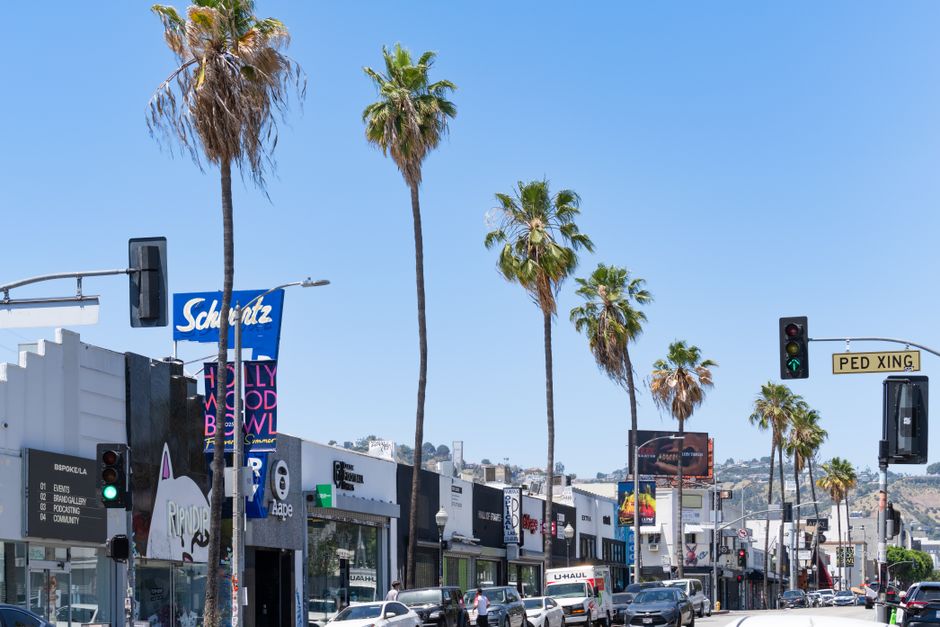
Walking down Melrose Avenue between Fairfax and Highland, the transformation is impossible to ignore. Where vintage boutiques, independent record shops, and artist-run galleries once thrived, chain retailers and vacant storefronts now dominate. The latest casualty: a 30-year-old independent bookstore that closed in April, joining more than a dozen businesses that have disappeared from the stretch in the past two years alone.
The impact extends far beyond lost shopping options. These closures represent a fundamental shift in neighborhood identity—one that concerns residents, business owners, and community organizers who argue that LA is pricing out the creative culture that made these areas distinctive in the first place.
"When you lose independent businesses, you lose the soul of a neighborhood," says Michael Torres, director of the Hollywood Hillhurst Neighborhood Council. "Young artists can't afford $8,000 monthly rents. Families can't afford to live here anymore. We're becoming a city of tourists and corporate chains."
The numbers tell a stark story. Commercial rents in Hollywood have increased 34% over the past four years, according to commercial real estate data compiled for this report. Meanwhile, residential rent in nearby Los Feliz has jumped to a median of $2,850 for a one-bedroom apartment—a 28% increase since 2022. For families earning the Los Angeles median household income of approximately $68,000 annually, these figures represent an impossible calculus.
Community groups are mobilizing. The Los Angeles Community Action Network has launched a "Save Our Neighborhoods" initiative demanding stronger rent stabilization for commercial properties and tax incentives for local businesses. The Downtown Los Angeles Neighborhood Council recently passed resolutions supporting similar measures, citing concerns that gentrification is creating "neighborhoods for visitors, not residents."
On June 15th, the LA City Council's Planning Committee heard testimony from dozens of longtime business owners and residents describing how rapid commercial displacement is eroding the diversity that historically defined LA's neighborhoods. Some council members indicated openness to exploring community benefits agreements and commercial rent control measures—options previously considered controversial.
What makes this moment critical, local organizers argue, is that neighborhoods aren't just about real estate—they're about who feels welcome, who can afford to stay, and what kind of city LA becomes. "This isn't nostalgia," Torres said. "It's about whether regular Angelenos have a place in their own city." As empty storefronts multiply, that question grows increasingly urgent.
This article was compiled by AI from the sources linked above and screened before publishing. See our editorial standards.
How does this story make you feel?
Spread the word
About this article
Published by The Daily Los Angeles
Daily brief
Free, in your inbox before 7am. Weekdays.
More in News