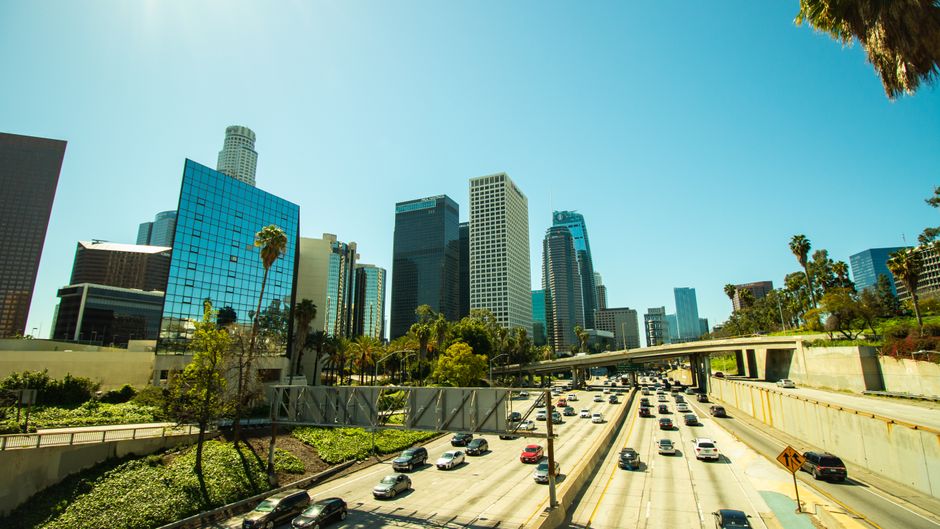
Los Angeles didn't wake up one morning and decide to become an environmental leader. The city was dragged there, kicking and screaming, by decades of visible crisis.
In the 1970s and 80s, the San Gabriel Valley choked under some of the worst air quality in the nation. Children in neighborhoods like Boyle Heights and Long Beach developed asthma at rates far exceeding national averages. The 1984 Summer Olympics forced a reckoning: city officials temporarily closed freeways and factories to clear the notorious brown haze hovering over downtown. Visitors couldn't see the San Gabriel Mountains. That embarrassment catalyzed change.
The South Coast Air Quality Management District, established in 1977, began implementing increasingly strict emissions standards. California's vehicle emission rules—stricter than federal standards—became the template for the nation. By the 1990s, LA's air was measurably better, though still problematic in low-income communities near ports and industrial corridors.
But sustainability means more than clean air. As LA sprawled outward, consuming Mojave Desert land and straining water supplies from increasingly distant sources, the city's environmental footprint grew exponentially. The 2008 financial crisis and subsequent recession created an unexpected opportunity: time to reimagine infrastructure.
The Port of Los Angeles, one of the world's busiest, became a testing ground for emissions reduction. Harbor communities—predominantly Latino and working-class—had endured port pollution for generations. Pressure mounted. By 2016, the port launched its Clean Air Action Plan, retrofitting equipment and incentivizing cleaner vessels. Slower change than activists demanded, but measurable.
Meanwhile, downtown underwent quiet transformation. The Los Angeles River, once a concrete wasteland, attracted investment in habitat restoration. The Griffith Observatory area and parks system expanded. Solar installation costs dropped from $8 per watt in 2010 to under $2.50 by 2025, making residential adoption feasible across income levels—though wealthy Westside neighborhoods still led adoption rates.
Today's sustainability initiatives—from the proposed transition to zero-emission buses to urban gardening programs in South LA—exist because earlier generations suffered visible, measurable harm. The environmental movement here isn't abstract climate policy; it's rooted in asthma inhalers, contaminated groundwater, and decades of disproportionate burden on communities of color.
Understanding that context matters. It explains why environmental justice remains central to LA's current initiatives, and why communities most affected by pollution—not Silicon Valley engineers—led the push for change that took fifty years to crystallize.
This article was compiled by AI from the sources linked above and screened before publishing. See our editorial standards.