How Los Angeles Built Its Way Into a $200 Billion Infrastructure Crisis
Decades of deferred maintenance, sprawling development patterns, and competing priorities have left the city scrambling to modernize its aging systems.
Decades of deferred maintenance, sprawling development patterns, and competing priorities have left the city scrambling to modernize its aging systems.
Los Angeles didn't wake up in 2026 facing a infrastructure reckoning. The crisis unfolding across the city's transportation networks, water systems, and aging utilities is the culmination of choices made—and neglected—over the past sixty years.
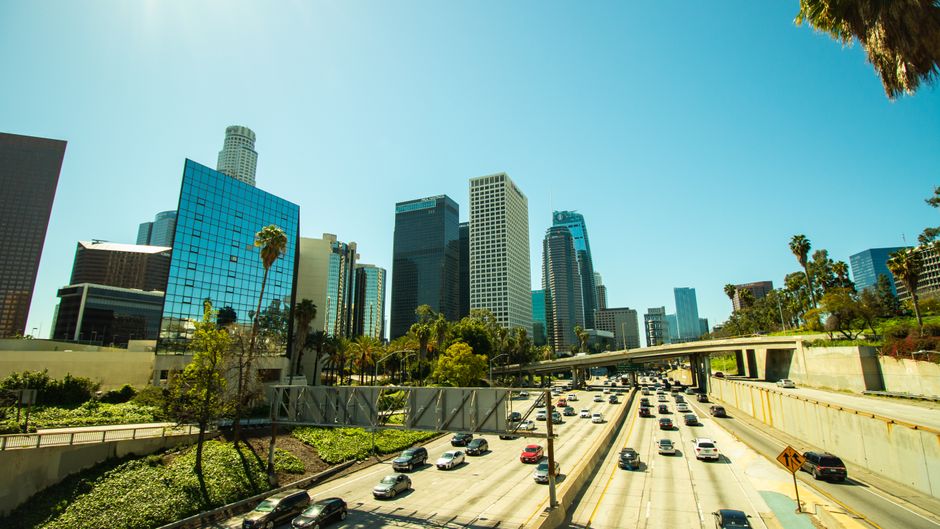
The story begins with the freeway boom of the 1950s and 60s, when planners prioritized car culture and highway construction over comprehensive public transit. The I-405, I-10, and I-110 became lifelines for a rapidly expanding metropolis, but they were designed for a city of three million, not nearly thirteen million. Today, those same corridors, many built during the Eisenhower administration, are buckling under demand. The 405 through the Sepulveda Pass alone handles 500,000 vehicle trips daily—nearly double its intended capacity.
While other major American cities invested in rail networks during the 1970s and 80s, Los Angeles lagged. The Red Line from Union Station to North Hollywood didn't open until 2000. The Gold Line expansion to Azusa wasn't completed until 2015. These delays meant that by the time modern transit infrastructure arrived, sprawl had already cemented car dependency across the region. Today, the Metro system serves less than five percent of regional trips.
Water infrastructure tells a parallel story. Los Angeles' aging aqueduct systems—some sections dating to the 1920s—have become increasingly fragile as drought cycles intensify and the city's population continues to grow. The recent spike in main breaks on Wilshire Boulevard and near downtown highlighted the desperation of pipes that have outlived their design lives by decades.
Financial constraints compounded these structural problems. Proposition 13, passed in 1978, capped property tax increases and starved local governments of revenue for maintenance. Los Angeles' infrastructure maintenance budget remained relatively flat for years even as the city expanded. According to city planning documents, deferred maintenance across all systems exceeded $15 billion by 2020—a figure that has only grown.
Recent state and federal funding—including investment from the 2021 Infrastructure Investment and Jobs Act—has jumpstarted projects like the Purple Line extension toward West Los Angeles and significant water main replacement initiatives. But experts say these efforts, while substantial, represent only a down payment on decades of accumulated backlog.
The harsh reality facing city planners is that Los Angeles must simultaneously maintain systems from the mid-twentieth century while building entirely new ones to handle a more dense, transit-oriented future. It's a bill that came due not because anyone planned poorly in 2026, but because choices made generations ago finally caught up.
This article was compiled by AI from the sources linked above and screened before publishing. See our editorial standards.
How does this story make you feel?
Spread the word
About this article
Published by The Daily Los Angeles
Daily brief
Free, in your inbox before 7am. Weekdays.
More in News