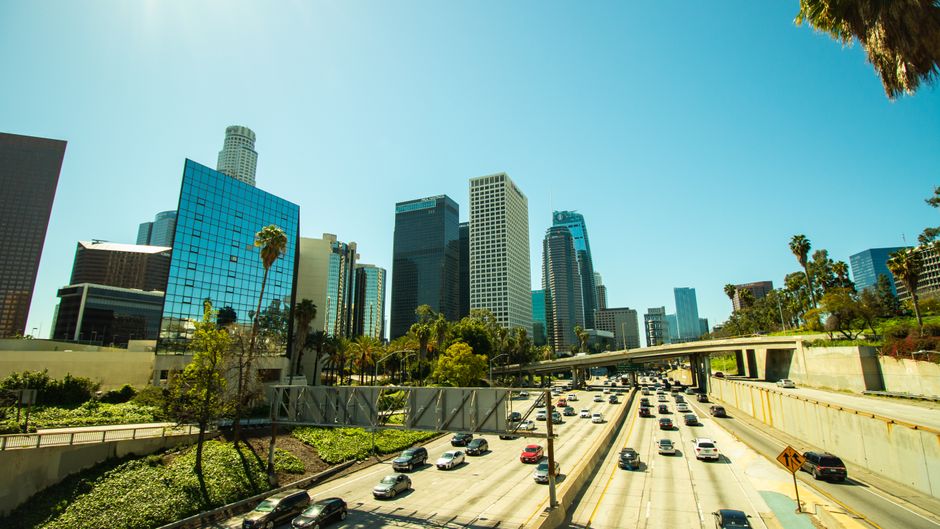
With temperatures in downtown Los Angeles regularly exceeding 95 degrees and the region's water reserves at critical levels, environmental leaders are increasingly vocal about the urgency of sustainability measures. At a recent roundtable hosted by the Los Angeles Department of Water and Power, officials emphasized the need for aggressive action across multiple fronts.
The conversation reflects growing consensus among city planners, environmental scientists, and business leaders about what comes next for a metropolis of nearly 4 million residents facing compounding climate pressures. Officials at the LADWP have been particularly direct about water challenges, noting that imported sources now account for roughly 50 percent of the city's supply—up from historical averages—due to persistent drought conditions across the Colorado River Basin.
Sustainability experts point to the city's green building ordinance as a model, though some argue it doesn't go far enough. The ordinance, which requires new commercial and multifamily residential projects to meet LEED standards, has shaped development patterns from Downtown LA to the Koreatown corridor. Yet critics argue that retrofitting existing structures—particularly aging office parks in El Segundo and industrial zones near the Port of Los Angeles—requires investment at scales the city has yet to fully commit.
Public transit advocates continue pushing for expanded metro coverage, particularly in underserved areas like South LA and the San Fernando Valley, where car dependency remains high. The Metropolitan Transportation Authority has laid out ambitious plans for new rapid transit corridors, though funding constraints persist. Current bus fares sit at $1.75 per ride, with monthly passes at $48—pricing that advocates say still excludes many lower-income residents from sustainable commuting options.
Community organizations working in neighborhoods from Boyle Heights to Long Beach are channeling frustration into action. Urban agriculture initiatives have expanded significantly, with rooftop gardens and community plots increasingly common across the city. One South LA nonprofit reported a 40 percent increase in participation in neighborhood composting programs over the past two years.
The emerging consensus from officials and experts suggests that Los Angeles cannot rely solely on technological solutions or market forces. Instead, they emphasize the need for coordinated policy changes, significant public investment, and equitable implementation that doesn't burden working-class neighborhoods disproportionately. As one environmental justice leader recently stated, the city's climate future depends on how quickly these words translate into visible, material change on the ground.
This article was compiled by AI from the sources linked above and screened before publishing. See our editorial standards.