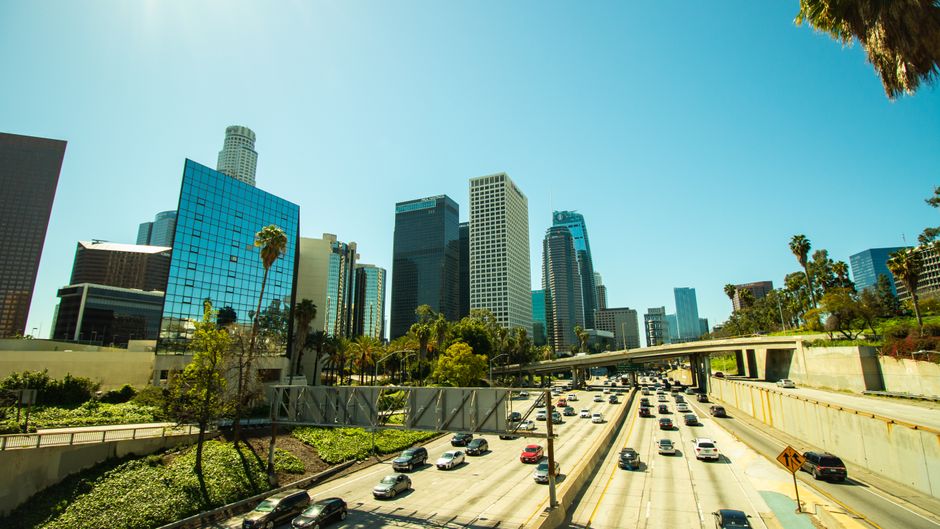
Los Angeles is about to fundamentally reshape how neighborhoods develop, and the decisions being finalized this week will reverberate through communities for decades. The City Planning Department's revised zoning ordinance—set for final council approval—would permit multi-unit housing in areas currently zoned exclusively for single-family homes, a shift that housing advocates say is overdue but that many residents view with apprehension.
The policy targets neighborhoods across Los Angeles, including Koreatown, where median rents have climbed 28% since 2020, Silver Lake, where a one-bedroom now averages $2,100 monthly, and historically working-class areas like Boyle Heights and Highland Park. By allowing developers to build 4-6 unit buildings—sometimes called "missing middle" housing—planners hope to address a shortage of roughly 450,000 affordable units citywide.
For longtime residents like those in traditional neighborhoods around Los Feliz Boulevard and Franklin Avenue, the concern is visceral. "We're worried about losing the character of our streets," said Maria Chen, a community organizer with the Los Feliz Neighborhood Association. "But we also know young families can't afford to live here anymore." That tension captures LA's impossible squeeze: the city desperately needs housing, yet every new building site becomes battleground.
The data supports the urgency. Census figures show the median home price in Los Angeles has surged past $850,000. Meanwhile, teachers, nurses, and service workers—the backbone of city life—increasingly commute from Palmdale, Lancaster, and beyond because they cannot afford neighborhoods where they work. Local schools report rising enrollment in outlying areas and shrinking rolls in central LA.
City officials argue the zoning changes align with state law (Senate Bill 9, passed in 2021) that already permits property splits. By codifying it, they claim, development becomes predictable rather than subject to endless appeals. The plan includes requirements for 15% of units to remain affordable for 55 years, though housing nonprofits say the percentage should be higher.
Skeptics point to implementation challenges: Will schools on crowded campuses like those in Los Feliz and Hancock Park receive additional funding? Will transit infrastructure on Vermont Avenue and Sunset Boulevard handle increased density? Will longtime residents find themselves priced out as neighborhoods transform?
The answers remain unclear. What is certain is that Los Angeles faces a choice between managed change and crisis-driven sprawl. The zoning vote this week won't solve homelessness or affordability alone, but it signals whether LA will build denser, more economically mixed neighborhoods—or continue the status quo that has made them increasingly exclusive enclaves.
This article was compiled by AI from the sources linked above and screened before publishing. See our editorial standards.