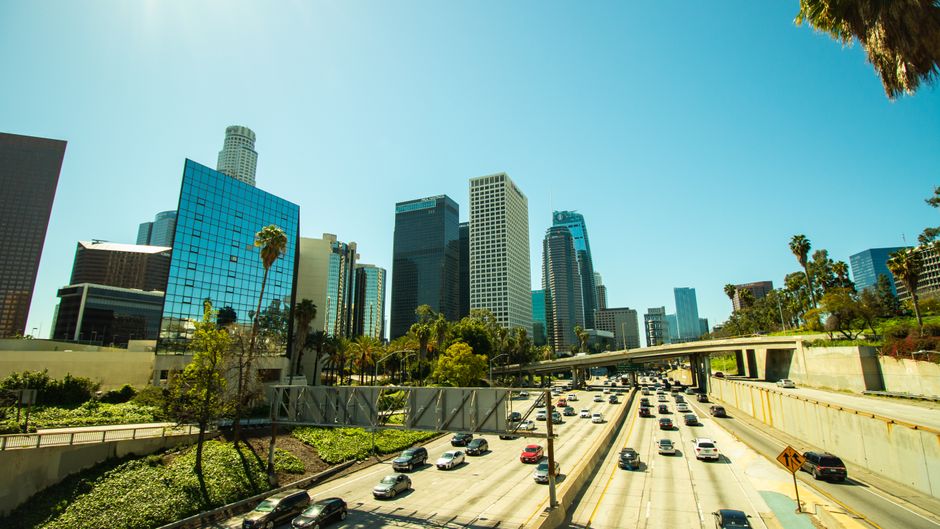
Los Angeles stands at a pivotal moment in municipal governance, with City Hall facing three interconnected decisions over the next 60 days that will reshape how the city allocates its $12.8 billion annual budget and addresses longstanding crises.
The most immediate challenge concerns the proposed Wilshire Boulevard transit corridor expansion, a $2.7 billion Metro project that would extend light rail service from Downtown through Mid-City to Koreatown by 2032. The city council must vote on whether to commit local matching funds—approximately $380 million from the general fund—by mid-August. Supporters argue the project will ease congestion on already-strained arterials and stimulate development in underserved neighborhoods. Critics warn the commitment could cripple funding for street repairs, where Los Angeles currently maintains only 68% of streets in "acceptable" condition, the lowest rating in a decade.
Simultaneously, council members are wrestling with homelessness spending allocations. The proposed $1.9 billion package for fiscal year 2026-27 includes significant increases to navigation centers and permanent supportive housing, yet questions persist about accountability. The Los Angeles Homeless Services Authority reported 47,500 unhoused individuals in the 2023 count, though recent data suggests that figure has grown. Community groups in South Los Angeles and the San Fernando Valley are demanding increased transparency on how funds flow to local organizations versus citywide contractors.
Perhaps most contentious is a proposed zoning amendment that would allow commercial developers to convert underutilized office spaces in Central LA, Downtown, and Hollywood into residential units without triggering new affordable housing requirements. City planning officials argue this fast-tracks construction by 18-24 months; housing advocates contend it surrenders leverage to secure units affordable to people earning under 60% of area median income, currently $48,000 for a single adult in LA County.
The council is also reviewing a contentious proposal to strengthen rent stabilization protections on buildings constructed before 1978, potentially affecting thousands of properties citywide. While tenant advocates gathered nearly 20,000 petition signatures supporting the measure, landlord associations have warned it could accelerate disinvestment in aging housing stock.
All three decisions require either full council votes or charter-mandated public hearings before Labor Day. Staff reports indicate council chambers will be crowded through July and August as constituents from Echo Park to Pacific Palisades weigh in on whether City Hall prioritizes growth, affordability, or fiscal caution.
This article was compiled by AI from the sources linked above and screened before publishing. See our editorial standards.