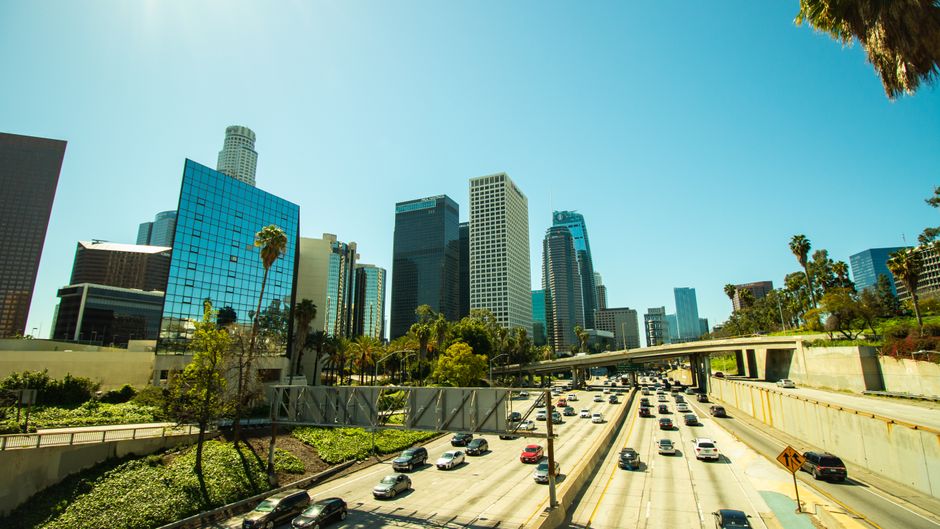
Los Angeles has committed to carbon neutrality by 2045, a goal that positions the sprawling metropolis among the world's most ambitious cities on climate action. Yet compared to established sustainability leaders like Copenhagen and Singapore, experts argue that LA's car-dependent geography and aging infrastructure present unique challenges that many international peers have already overcome.
The comparison becomes concrete in neighborhoods like downtown Los Angeles and along the Wilshire Corridor, where the city has invested in Metro expansion and bus rapid transit lanes. While these initiatives mirror similar projects in European cities, the scale of LA's challenge differs markedly. Copenhagen's cyclists comprise 45% of commuters, whereas Los Angeles—despite recent bicycle infrastructure improvements—still logs only 1% of trips by bike. The Danish capital's integrated approach over decades has created a cultural shift that LA is only beginning to replicate.
Local organizations like the LA Department of Water and Power are racing to meet state renewable energy mandates, aiming for 80% renewables by 2036. Singapore's integrated approach—combining rooftop solar, vertical farming, and water reclamation in dense urban zones—has inspired LA planners, though the city's low-density sprawl complicates similar strategies. Nevertheless, projects along the LA River and in neighborhoods like Highland Park demonstrate growing commitment to urban rewilding and green infrastructure.
Building retrofits present another area where global comparison proves instructive. Los Angeles has launched programs requiring commercial buildings to reduce emissions, yet Berlin and London are further along in phasing out natural gas from heating systems citywide. LA's 2021 Building Performance Standards require large buildings to cut emissions 40% by 2030, but implementation remains uneven across neighborhoods like Koreatown and Long Beach.
The cost disparity tells part of the story. Solar installation in LA now averages $2.50 per watt after incentives—competitive with global rates—yet residential adoption lags behind European averages. Community Choice Aggregation programs through entities like Clean Power Alliance have accelerated renewable procurement, positioning LA alongside mid-tier global cities rather than established leaders.
Where LA excels is in emerging technologies and innovation infrastructure. The city's film and tech industries have mobilized around sustainability, attracting venture capital for clean energy startups—an advantage many international cities lack. Yet experts emphasize that without matching Copenhagen's transit culture or Singapore's urban density solutions, LA risks remaining perpetually one step behind.
This article was compiled by AI from the sources linked above and screened before publishing. See our editorial standards.