Your Practical Guide to Exploring LA's Neighborhoods Like a True Resident
From Silver Lake's creative corridors to downtown's revitalized streets, here's how to navigate and embrace the communities that make Los Angeles home.
From Silver Lake's creative corridors to downtown's revitalized streets, here's how to navigate and embrace the communities that make Los Angeles home.
Listen to this article · 3:55
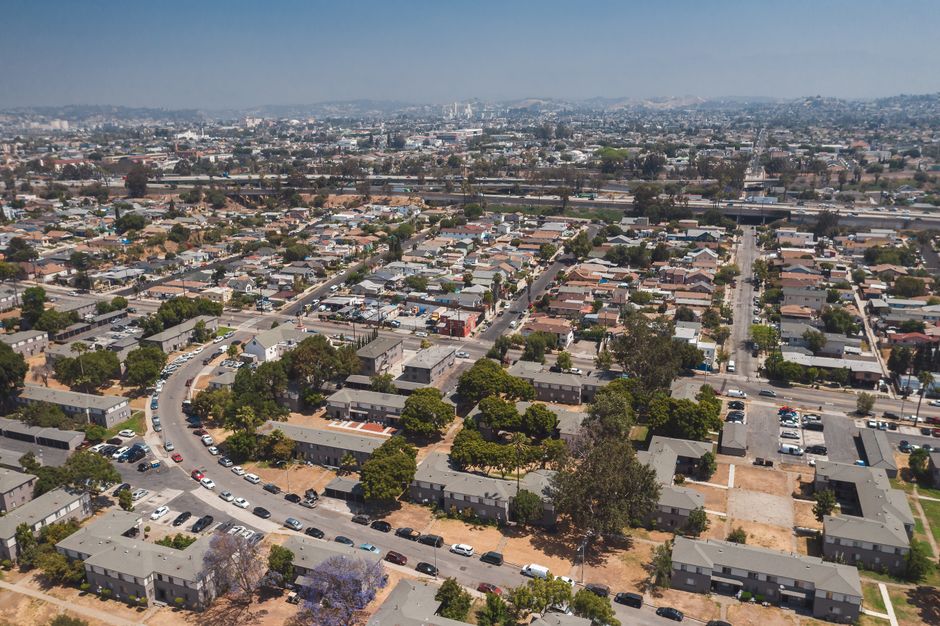
Los Angeles sprawls across 503 square miles, but the real magic happens in its neighborhoods—distinct communities that feel like separate cities. If you're ready to move beyond tourist spots and genuinely experience where Angelenos live, work, and gather, a neighborhood-by-neighborhood exploration is essential.
Start in Silver Lake, where independent coffee roasters like Equator Coffees anchor Sunset Boulevard and Echo Park Avenue. This northeast enclave, home to roughly 32,000 residents, pulses with independent galleries, vintage bookstores, and community gardens. The Silver Lake Reservoir offers free public access and a 1.3-mile walking path—perfect for Sunday mornings. Grab breakfast tacos from street vendors on Duane Street; expect to spend $4-6 per taco.
Head downtown to experience LA's urban renaissance. Grand Central Market, operating since 1917 on Broadway, remains the neighborhood's culinary anchor with 50+ vendors. Nearby, the Arts District on Santa Fe Avenue hosts monthly art walks and artist studio open doors. Rent here averages $2,200 for a one-bedroom, significantly cheaper than westside neighborhoods while offering genuine street-level community engagement.
Los Feliz, anchored by the iconic Los Feliz Village, offers walkable charm around Vermont Avenue. Independent shops, the Griffith Observatory looming above, and family-run restaurants create a neighborly vibe that many transplants didn't expect to find in LA. The community thrives on local events—farmers markets, street fairs, and neighborhood associations that actually show up.
For beach-adjacent living, Long Beach offers an underrated alternative to Santa Monica's crowds. The Long Beach waterfront has expanded dramatically, with the Queen Mary area and downtown Pike district drawing both residents and visitors. As Southern California's second-largest city within LA County, it maintains its own identity while remaining accessible via the Metro Blue Line.
The practical reality: explore neighborhoods at different times. Weekend afternoons reveal community spirit; weekday mornings show true resident patterns. Visit local cafes, speak with shopkeepers, and check community boards for upcoming events. Most neighborhoods have active Nextdoor communities and Instagram accounts where residents share recommendations and discussions.
Transportation matters. Metro expansion continues—the Purple Line extension to Westwood opens later this year. Biking is increasingly viable; LA's network of protected bike lanes has grown to over 700 miles citywide. Use these connections to move between neighborhoods without car dependency.
The essential insight: LA's charm isn't monolithic. Each neighborhood has distinct character, price points, and community values. Spend time, ask questions, and don't just pass through. That's how residents—not visitors—experience this sprawling, complex, genuinely livable city.
This article was compiled by AI and screened before publishing. See our editorial standards.
How does this story make you feel?
Spread the word
About this article
Published by The Daily Los Angeles
Daily brief
Free, in your inbox before 7am. Weekdays.
More in lifestyle