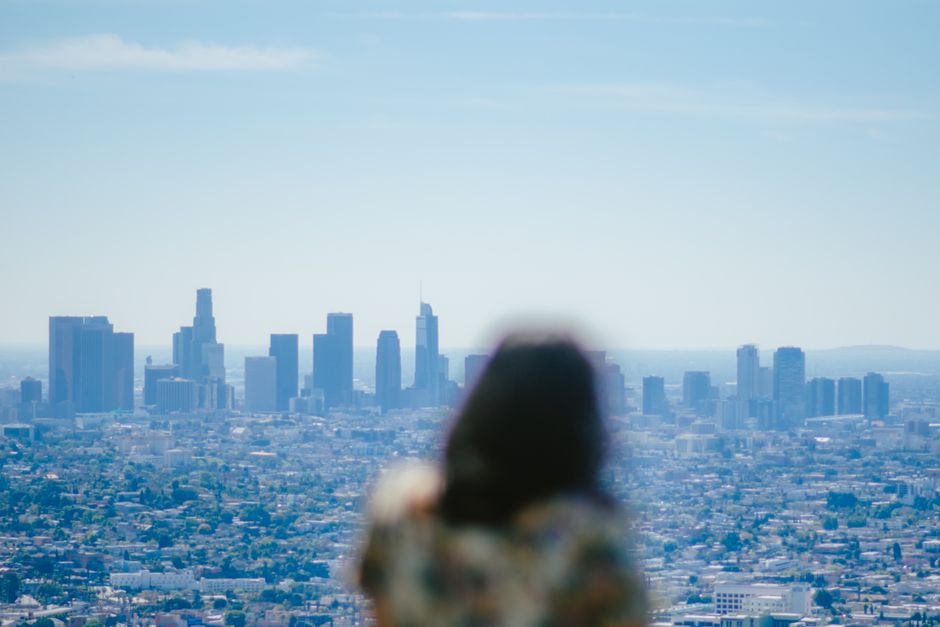
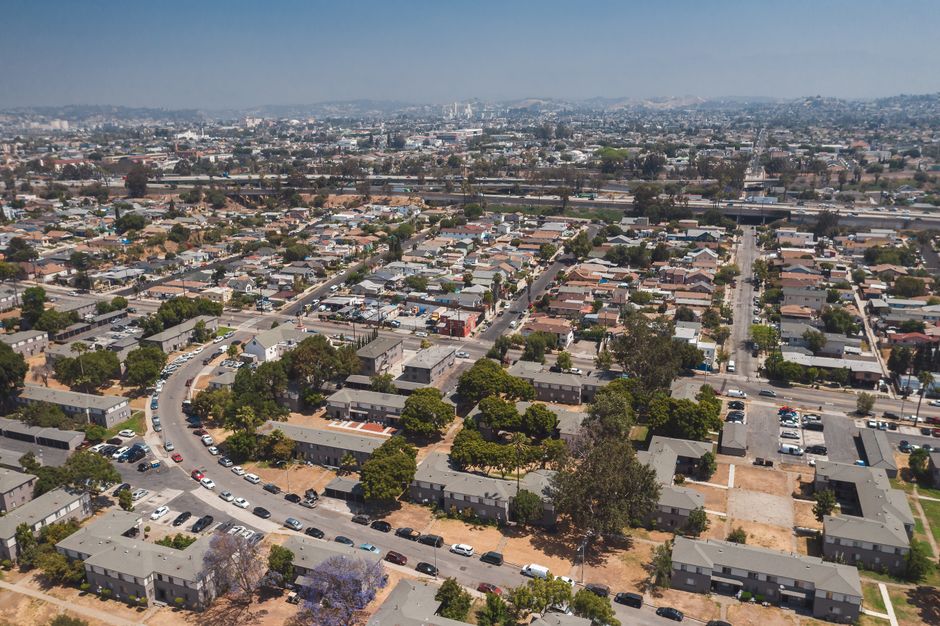
Los Angeles's neighbourhood hierarchy has undergone a seismic shift in the past three years. The traditional coastal premium—where beachside zip codes commanded automatic prestige—is fracturing as remote work flexibility, climate resilience concerns and younger professionals' spending habits reshape where Angelenos actually want to live.
Downtown LA's transformation continues at a dizzying pace. The Arts District, anchored by galleries along East 1st Street and the Broad Museum, has become a magnet for creative professionals seeking walkability and transit access via the Metro. Real estate data shows median rents in the area climbing 23% since 2023, though still substantially below comparable Brooklyn or San Francisco neighbourhoods. The arrival of major tech companies establishing satellite offices along South Hope Street has accelerated this shift, drawing workers who once commuted from the San Fernando Valley.
Meanwhile, traditionally affordable neighbourhoods are experiencing their own evolution. Silver Lake—long the domain of artists and musicians—is undergoing a sustainability-focused reinvention. Community gardens now dot Rowena Avenue, while local organisations like the Los Angeles Eco-Villages network have expanded membership by 40% since 2024. Younger residents cite concerns about LA's water scarcity and wildfire proximity when choosing between Silver Lake and more sprawling foothill communities. Property values here have climbed accordingly, with average asking prices near $1.8 million for single-family homes.
Highland Park and Eagle Rock, neighbourhoods that were considered risky investments five years ago, are now attracting young families seeking vintage architecture and proximity to Golden Gate Park-style green spaces. The Metro Gold Line extension through these areas has proven transformative; commutes to Downtown now take 25 minutes. Local coffee shops and restaurants along York Boulevard showcase a nouveau-bohemian energy reminiscent of pre-pandemic Echo Park.
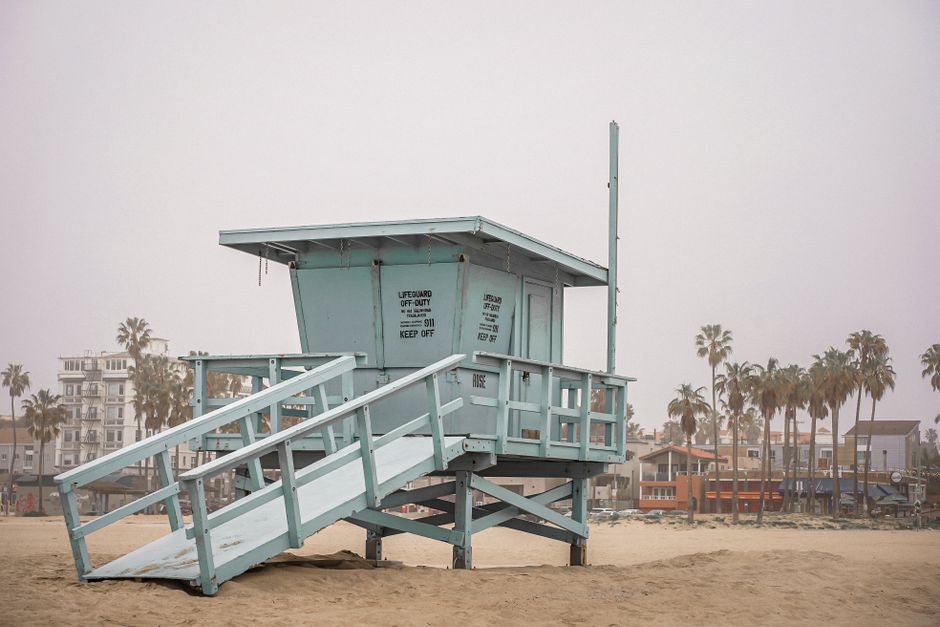
Beachside communities are experiencing unexpected flux. While Santa Monica and Manhattan Beach retain their cachet, rising sea-level projections and increasingly volatile summer heat have prompted some affluent households to reconsider. Realtors report quiet interest in neighbourhoods like Culver City and Palms—historically overlooked areas now benefiting from the creative migration and improved transit connections.
The neighbourhoods that will thrive through 2026 and beyond share common traits: transit access, community amenities, and—increasingly—climate resilience planning. Los Angeles's new desirability map is less about coastal geography and more about practical urbanism and environmental foresight.
This article was compiled by AI and screened before publishing. See our editorial standards.