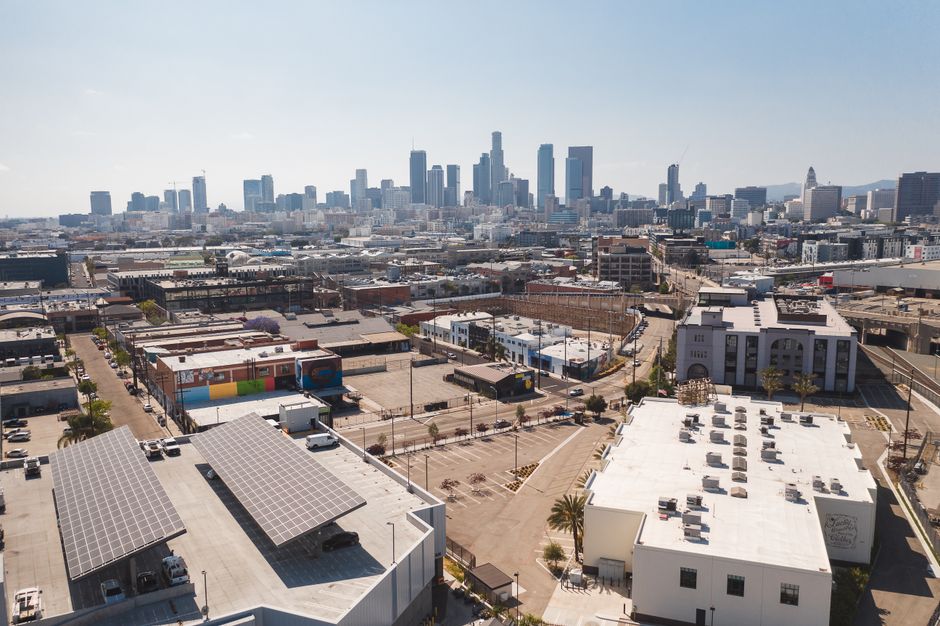
Walk down Spring Street in Downtown Los Angeles on a Thursday evening in 2026, and you'll notice something that would have seemed unthinkable five years ago: the bars are packed at 6pm, nearly empty by midnight.
The transformation of LA's nightlife landscape—particularly in the Historic Core and Arts District—reflects a broader cultural shift away from the binge-drinking ethos that defined urban bar scenes for decades. According to data from the California Alcoholic Beverage Control Board, establishments reporting peak traffic between 5-8pm have increased by 34% since 2023, while traditional late-night venues have seen 2am traffic decline by 18%.
"We were losing money keeping the lights on past 1am," explains the operator of a popular Spring Street venue that recently restructured its hours. "Our customers changed. They want quality over quantity now." The bar now closes at midnight on weekdays and features rotating natural wine tastings and zero-proof cocktail programming three nights weekly.
This shift has sparked an entire ecosystem of change. The Ace Hotel's ground-floor bar now hosts morning coffee collaborations with local roasters. Perch, the French-American restaurant overlooking Pershing Square, expanded its apéritif program. Even dive bars along 5th Street—traditionally serving construction workers at dawn—have added afternoon craft beer rotations.
The evolution reflects broader demographic changes. LA's younger professionals increasingly prioritize experiences over excess. A 2024 survey from the LA Times found 62% of 25-35 year-olds in urban cores prefer bars that serve food and feature cultural programming. Wellness trends matter too: 27% of recent bar visitors ordered non-alcoholic drinks, up from 9% in 2019.
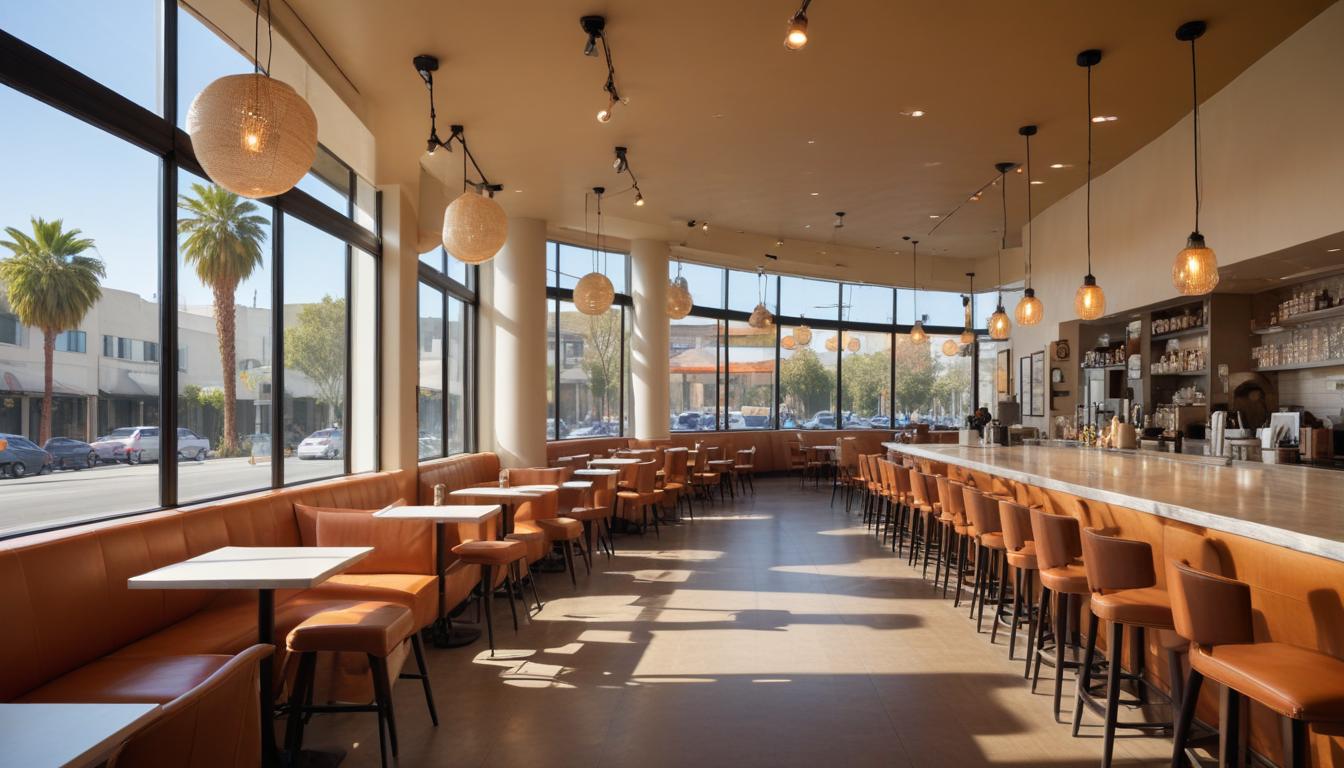
Real estate has followed. Landlords along Broadway and Spring Street report newer operators emphasize natural light, full kitchens, and seating arrangements that encourage conversation over standing-room-only crowds. Renovation costs have shifted accordingly, with architectural consultants noting increased demand for daytime-friendly design.
The Arts District has experienced similar evolution, though with different character. Venues like Bestia and Republique adapted by leaning into dinner culture and weekend brunch, blunting the sharp 11pm-2am revenue window that sustained them previously.
Not everyone celebrates the change. Old-school bartenders lament the loss of Downtown's identity as LA's after-hours destination. Yet established players insist this represents maturation rather than decline. "We're not dying," one operator noted. "We're finally becoming the neighborhood bar culture that actually sustains communities long-term."
This article was compiled by AI from the sources linked above and screened before publishing. See our editorial standards.