LA's Retail Renaissance: How Local Markets Are Reclaiming Their Streets
From revamped vintage havens to curated pop-up districts, Los Angeles shoppers are discovering that the best finds are happening right in their own neighborhoods.
From revamped vintage havens to curated pop-up districts, Los Angeles shoppers are discovering that the best finds are happening right in their own neighborhoods.
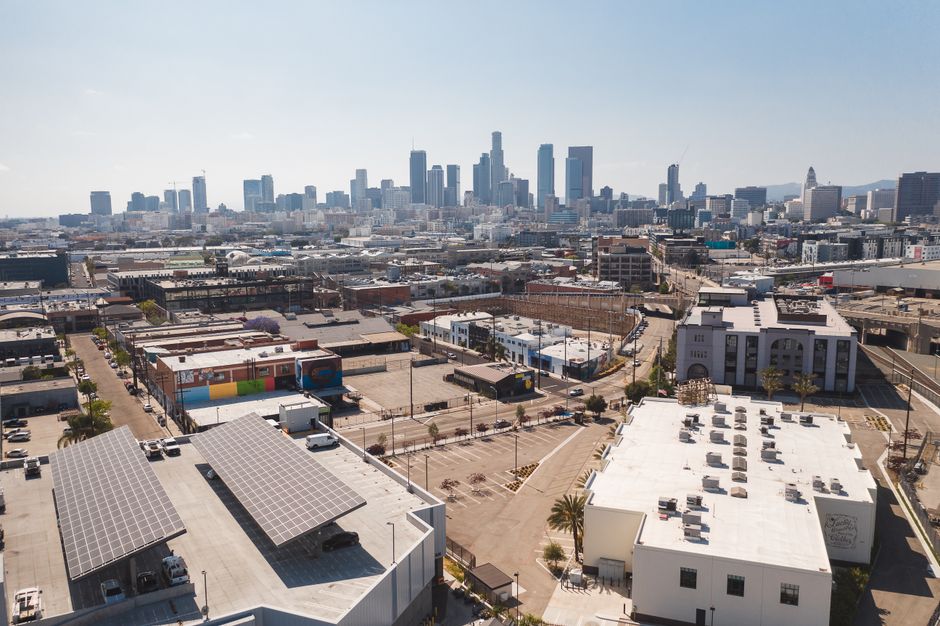
Walk down Melrose Avenue these days and you'll notice something unexpected: the storefronts are breathing again. Where chain retailers once dominated, independent vendors and maker collectives have carved out new territory, transforming the street into what locals now call the "authentic Melrose." This shift, accelerated over the past eighteen months, reflects a broader retail awakening across Los Angeles—one driven by both necessity and genuine consumer demand.
The numbers tell the story. According to the Los Angeles Business Journal, foot traffic in neighborhood commercial districts increased 22% year-over-year through spring 2026, while traditional mall visits continued their decline. Young professionals and families are actively choosing to shop locally, drawn by the combination of discovery, sustainability, and community connection that mass retail simply cannot replicate.
Downtown LA's Arts District has become the epicenter of this movement. The formerly industrial stretch along East 4th and Santa Fe Streets now hosts rotating markets on weekends, where local artisans sell everything from upcycled fashion to small-batch skincare products. The average price point—roughly $35-$75 per item—appeals to budget-conscious Gen Z shoppers seeking quality over quantity. Meanwhile, Silver Lake's Sunset Boulevard vintage corridor has undergone genuine revitalization. Shops like those clustering near the intersection with Micheltorena have expanded their inventory and extended hours, capitalizing on renewed interest in secondhand clothing and mid-century furnishings.
What's particularly striking is the emergence of hyperlocal market spaces. The Fairfax District's recently expanded Sunday farmers market now features 60+ vendors selling not just produce but prepared goods, ceramics, and clothing—creating a full weekend destination rather than a simple grocery stop. Similar transformations are underway in Los Feliz and even the San Fernando Valley, where Ventura Boulevard has seen shopkeepers investing in storefront improvements and collaborative marketing.
Sustainability concerns have undoubtedly accelerated this trend. Environmental consciousness among LA consumers—particularly those in progressive neighborhoods—has made independent, low-waste retailers increasingly attractive compared to mass-market alternatives. Many local shops now emphasize minimal packaging and direct-to-consumer models that reduce environmental footprint.
The pandemic fundamentally changed how Angelenos think about shopping. Remote work flexibility meant weekend browsing became lifestyle ritual rather than convenience errand. Local markets offered escape, community, and tangible human connection that online shopping never could.
As summer heads into full swing, expect these neighborhood retail destinations to remain packed. For Angelenos tired of algorithmic recommendations and big-box monotony, local markets have become something rarer and more valuable: places where discovery still matters, and community and commerce genuinely intertwine.
This article was compiled by AI from the sources linked above and screened before publishing. See our editorial standards.
How does this story make you feel?
Spread the word
About this article
Published by The Daily Los Angeles
Daily brief
Free, in your inbox before 7am. Weekdays.
More in lifestyle

