Moving to Los Angeles often feels like stepping onto a film set—palm trees, endless sunshine, and the promise of reinvention. But transforming from newcomer to genuine resident requires more than a change of address. The real Los Angeles exists in neighborhoods most tourists never discover, in rituals that locals guard, and in understanding the unwritten rules of living in one of the world's most geographically sprawling cities.
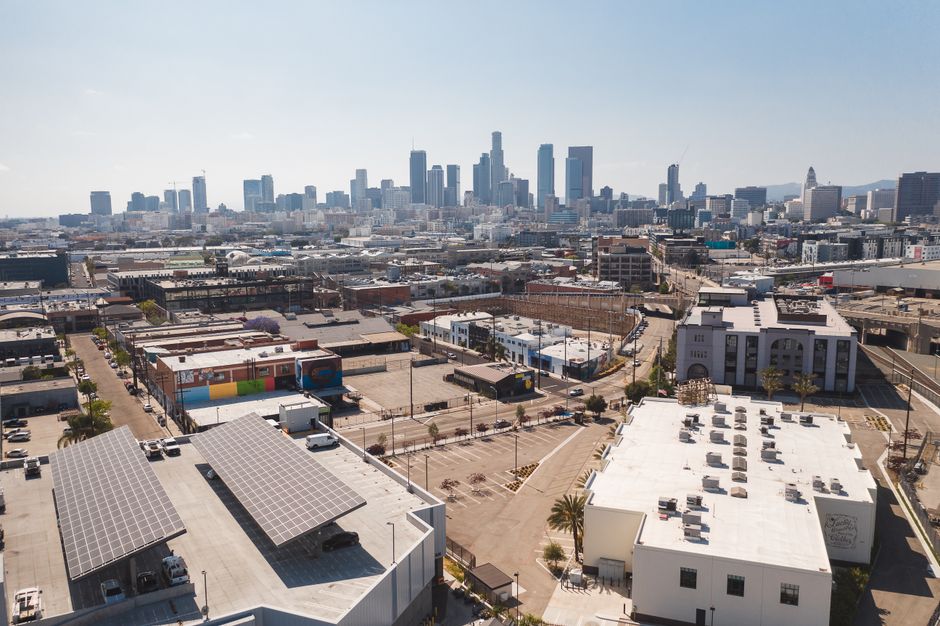
Start by abandoning the idea of Los Angeles as a singular destination. Instead, think of it as distinct villages. If you're landing in the Westside, Silver Lake's independent coffee shops and vintage boutiques along Sunset Boulevard offer an authentic entry point to LA's creative culture. For those settling near downtown, the Arts District—particularly around Spring and Main Streets—has transformed into a walkable hub of galleries, restaurants, and craft breweries. The Los Angeles Public Library's downtown branch, a stunning architectural landmark, provides free resources and community information that most newcomers overlook.
Transportation shapes your entire LA experience. Yes, you'll likely need a car—the average commute time in Los Angeles is 28 minutes, but that varies wildly by neighborhood and direction. However, the Metro system, while limited compared to other major cities, serves key corridors efficiently. The Silver Line and Red Line are lifelines for those avoiding the 405 and 101 freeways. Download the MTA app immediately. Budget roughly $100-150 monthly for parking if you're downtown; Westside parking can exceed $300.
Housing costs matter deeply. Median rent for a one-bedroom apartment hovers around $1,900-$2,400, depending on location, though neighborhoods like Koreatown or Long Beach offer more reasonable options. Unlike coastal enclaves, inland areas like Eagle Rock and Highland Park offer younger, increasingly diverse communities with emerging food scenes and lower price points.
Embrace LA's genuine cultural assets. The Broad museum and LACMA are crowd-heavy; instead, visit the Huntington Library in San Marino or the Griffith Observatory on weekday mornings. Join neighborhood groups through Meetup or Nextdoor—Los Angeles residents are surprisingly community-oriented, despite the city's sprawl reputation.
Finally, understand that authenticity in LA means accepting contradictions: traffic and open space, wealth and struggle, isolation and unexpected community. Stop fighting the car culture and start optimizing your routes. Learn which neighborhoods align with your values. Invest time in local farmers markets—Grand Central Market downtown and the Hollywood Sunday Market—where you'll encounter actual residents.
Los Angeles rewards those who approach it with intentionality, curiosity, and patience. The city doesn't make it easy, but it absolutely makes it worth the effort.
This article was compiled by AI from the sources linked above and screened before publishing. See our editorial standards.