Your Practical Guide to Becoming a Real LA Neighborhood Explorer
From Silver Lake's independent coffee scene to Downtown's food renaissance, here's how to actually get to know your city like a local.
From Silver Lake's independent coffee scene to Downtown's food renaissance, here's how to actually get to know your city like a local.
Los Angeles sprawls across 500 square miles, which means most residents inhabit just a fraction of what the city truly offers. If you're ready to move beyond your usual routes, a strategic approach beats random wandering. Start by identifying three neighborhoods within a 20-minute drive—your testing ground for the next month.
Begin in Silver Lake, where Sunset Boulevard between Fountain and Rowena remains the unofficial hub. Park once near the vintage shops clustered around Los Feliz Boulevard, then walk. Budget three hours and roughly $35 per person for coffee at Cafetoría, lunch at a family-run Mexican spot, and browsing independent record stores. The neighborhood rewards pedestrians; you'll discover pocket parks and murals that Google Maps can't capture.
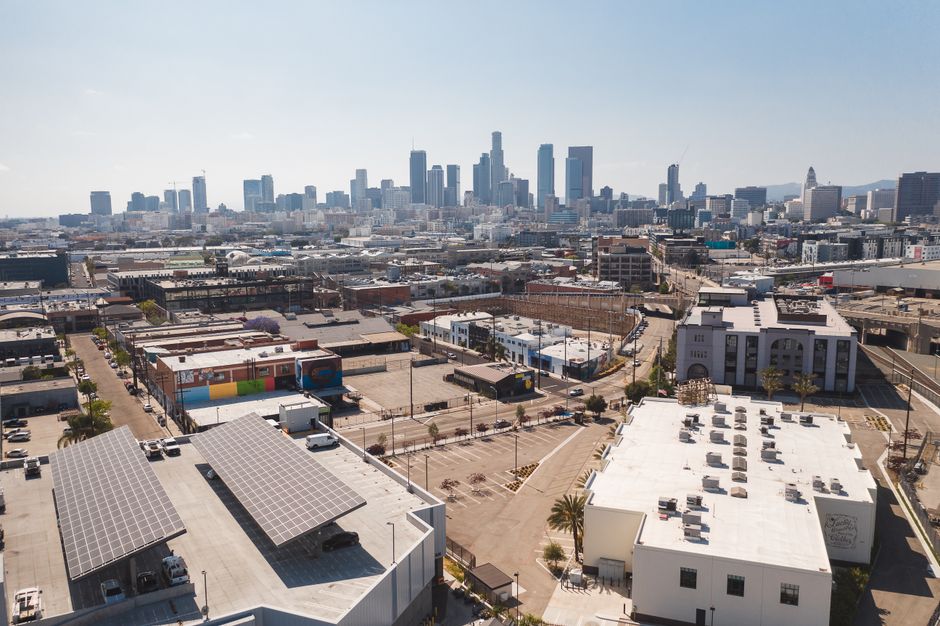
Downtown LA's transformation over the past decade makes it essential territory. The Arts District along Santa Fe Avenue has gentrified considerably—expect $18 specialty cocktails and $14 coffee—but legitimately delivers cultural density. The Museum of Contemporary Art offers $18 admission on Thursdays after 3 p.m. Wander Spring Street's ground-floor galleries, most free to enter. Parking downtown runs $10-15 in lots; plan for a full Saturday.
Los Feliz Village, anchored by Vermont Avenue's local shops and restaurants, offers the neighborhood feel many transplants crave. Here you'll find reasonable prices ($12-16 entrees at casual spots), genuine community bulletin boards, and parks like Griffith Observatory's grounds where sunset crowds gather most evenings.
Make exploration systematic. Join neighborhood Facebook groups—not for drama, but for legitimate local recommendations. Follow local Instagram accounts posting about new openings; LA's food scene moves fast, and word-of-mouth beats press releases. Apps like Nextdoor and Citizen provide real-time neighborhood intelligence, from street closures to community events.
Timing matters. Avoid major intersections during rush hours (7-9 a.m., 4-7 p.m.). Visit neighborhoods on both weekdays and weekends; the energy shifts dramatically. Many neighborhoods host summer street fairs—Los Feliz hosts its street fair in August, Silver Lake in September.
Budget realistically. LA requires a car for most exploration, meaning gas, parking, and meals. Allocate $60-100 per neighborhood visit for two people. Some free activities exist: Griffith Observatory's grounds, Grand Park Downtown, and most neighborhood parks.
The goal isn't checking boxes—it's finding your rhythm. Most longtime Angelenos have three to five neighborhoods they genuinely know. Pick yours intentionally, return repeatedly, and you'll stop being a tourist in your own city.
This article was compiled by AI from the sources linked above and screened before publishing. See our editorial standards.
How does this story make you feel?
Spread the word
About this article
Published by The Daily Los Angeles
Daily brief
Free, in your inbox before 7am. Weekdays.
More in lifestyle