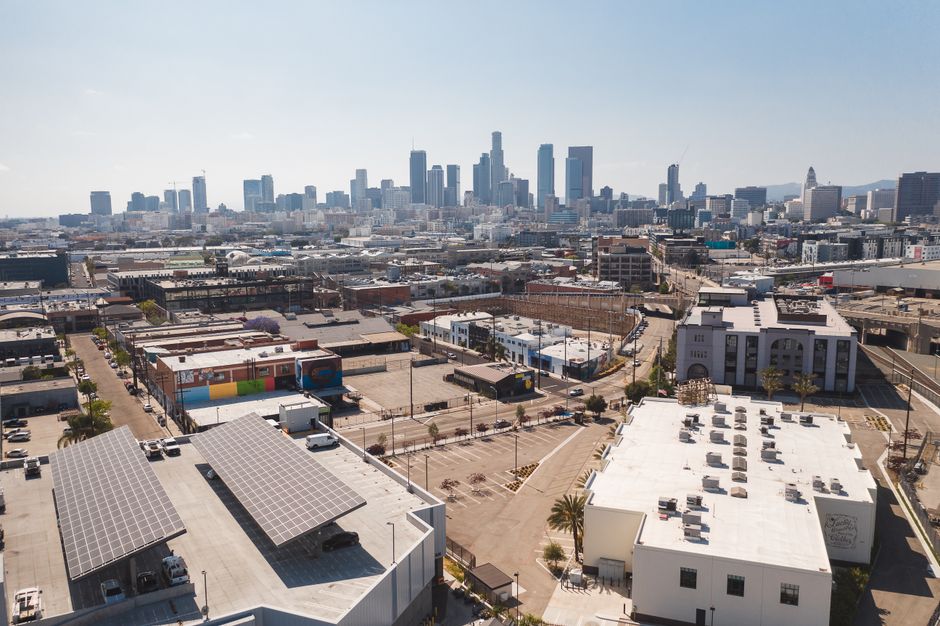
Walk down Spring Street in Downtown Los Angeles on a Friday night in 2026, and you'll witness a neighborhood in transition. Where weathered dive bars once dominated the Historic Core, sleek cocktail lounges with marble counters and craft spirits menus are rapidly multiplying. The shift reflects a broader transformation reshaping one of LA's most storied entertainment districts.
For decades, DTLA's nightlife centered on a handful of legendary spots—The Edison, Cole's, The Varnish—that attracted serious drinkers and curious tourists alike. Those venues remain, but they're increasingly flanked by newcomers targeting a different demographic. Rooftop bars with Instagram-friendly aesthetics have proliferated along Broadway and Main Street, with venues now regularly charging $16–$18 for cocktails, a 40 percent jump from five years ago according to local hospitality consultants.
The catalyst is clear: residential development. The Historic Core has added approximately 8,000 new housing units since 2015, with another 5,000 projected by 2030. Twenty-somethings working in tech and entertainment have colonized converted warehouse lofts, fundamentally altering the customer base that bars serve. Business Improvement Districts report that foot traffic on weekends has increased 35 percent, yet longtime venue operators describe clientele becoming less adventurous and more design-conscious.
"We're seeing younger professionals who want a polished experience," says one bartender at a newly opened cocktail bar near the Bradbury Building, speaking on condition of anonymity. "That's different from the characters who used to define this neighborhood."
Not everyone celebrates the shift. Advocates for neighborhood preservation worry that rapid commercialization is erasing DTLA's bohemian character. Several longtime bars have already shuttered, replaced by upscale lounges or pop-up concept venues that operate for six months before relocating. Meanwhile, Old Town venues like The Last Bookstore's speakeasy partner and nearby establishments on 4th Street are being repackaged as curated experiences for visitors rather than gathering places for locals.
Yet the evolution isn't entirely negative. Safety improvements, better lighting on side streets, and increased police presence have made the Historic Core genuinely more welcoming to diverse crowds. Live music venues are thriving, particularly those offering indie rock and electronic sets. The nightlife tax revenue generated by new establishments is funding public realm improvements.
As summer 2026 approaches, DTLA's bar scene remains in flux—caught between its rebellious past and its profitable future. Whether that transformation represents progress or loss may depend entirely on which Los Angeles you preferred.
This article was compiled by AI from the sources linked above and screened before publishing. See our editorial standards.