Why Los Angeles Parenting Stands Apart: A Global City Raising Kids Its Own Way
From industry connections to outdoor-centric childhoods, LA offers a distinctly different blueprint for modern family life than cities worldwide.
From industry connections to outdoor-centric childhoods, LA offers a distinctly different blueprint for modern family life than cities worldwide.
Raising a family in Los Angeles presents a parenting experience fundamentally different from peers in New York, London, or Singapore. While other global cities grapple with dense urban constraints and decades-old school hierarchies, LA's sprawling geography and entertainment industry presence create a uniquely permissive—and sometimes chaotic—approach to childhood.
The entertainment ecosystem shapes LA parenting in ways unmatched elsewhere. Parents routinely network at industry events, and their professional connections directly influence opportunities for their children. A third-grade classmate's parent might be a studio executive; another's might be an emerging filmmaker. This creates an informal mentorship culture absent in most other major cities. Schools like Crossroads School in Santa Monica and Windward School in Mar Vista actively cultivate this advantage, with tuition around $35,000 annually.
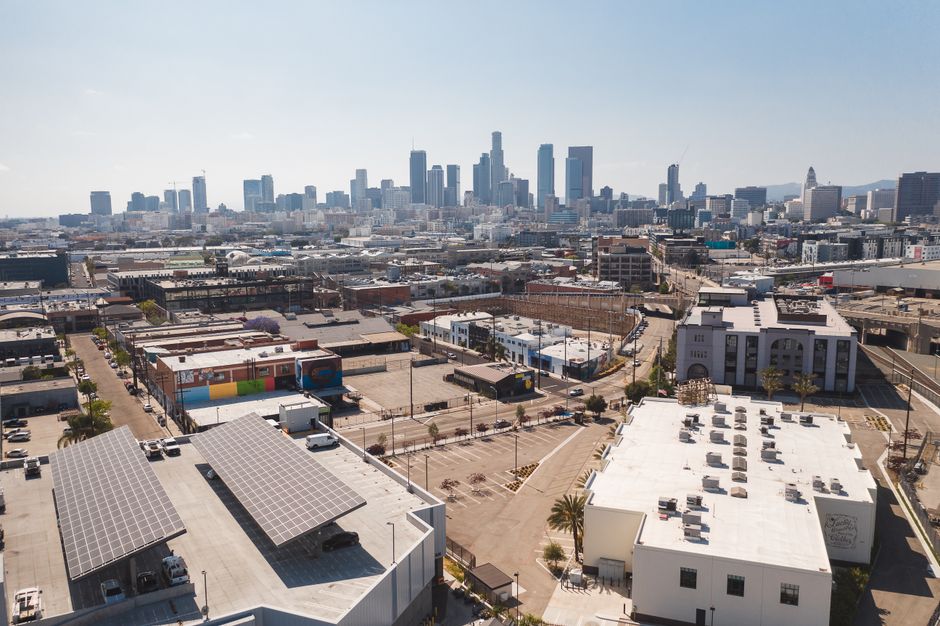
Geography rewrites the parenting rulebook here. Unlike Tokyo's hyperconnected transit system or London's compact neighborhoods, LA families accept—or embrace—that their eight-year-old's soccer practice in Brentwood might be 45 minutes from home. The car becomes a third space for parenting, where carpool conversations shape social dynamics in ways suburban parents elsewhere recognize, but city-based families don't. This also means outdoor childhoods look different: hiking Runyon Canyon or Griffith Park is a weekend norm, not a special occasion.
School choice itself operates on LA's scale. The Los Angeles Unified School District serves over 600,000 students across sprawling attendance zones. Families with resources exploit magnet programs and private schools, creating a stratified system more pronounced than many peer cities. Meanwhile, public school funding variations between Hancock Park and Koreatown neighborhoods rival international disparities.
Cultural diversity adds another layer. Families navigate schools where 88 different languages are spoken within LAUSD alone. This polyglot reality—unavoidable in a city with massive immigrant communities—produces children with genuinely global peer groups from kindergarten onward. Walking down a Venice Boulevard block near MacArthur Park, children move between Armenian, Spanish, Tagalog, and Mandarin-speaking households.
Perhaps most distinctively, LA normalizes an optimistic, future-forward parenting ethos. Whether justified or not, there's a prevailing belief that connections, persistence, and reinvention can overcome obstacles. Parents here are less likely to follow rigid educational timelines popular in Seoul or Singapore; more likely to encourage creative risk-taking.
The trade-off? Los Angeles parenting sacrifices walkable neighborhoods, efficient public transportation, and established institutional prestige for possibility and space. It's a fundamentally American, fundamentally LA gamble—one that wouldn't translate elsewhere.
This article was compiled by AI from the sources linked above and screened before publishing. See our editorial standards.
How does this story make you feel?
Spread the word
About this article
Published by The Daily Los Angeles
Daily brief
Free, in your inbox before 7am. Weekdays.
More in lifestyle