Moving to Los Angeles can feel like relocating to five different cities at once. While newcomers often fixate on square footage and commute times, seasoned expats know the real question is: where does my lifestyle actually fit?
Take Silver Lake, where the character is unmistakably creative and deliberately understated. The neighbourhood around Sunset Boulevard pulses with independent coffee roasters, vintage bookstores, and galleries that double as community gathering spaces. Young professionals and artists gravitate here, though median rents now hover around $2,400 for a one-bedroom—a reflection of the area's gentrification over the past decade. The community vibe is collaborative; neighbourhoods host regular art walks and the nearby Los Feliz Library has become an unofficial social hub for remote workers.
Conversely, Koreatown presents an entirely different ecosystem. West of Wilshire Boulevard, you'll find dense, walkable blocks where multiple languages fill the air and community bonds run deep through established networks. Restaurant strips along Olympic Boulevard offer authentic dining at every price point, while neighbourhood organisations like the Koreatown Youth and Community Center anchor social infrastructure. For expats seeking immediate community integration, the neighbourhood's interconnected social fabric—built through decades of immigration—offers faster pathways to belonging.
Santa Monica's Westside delivers a more affluent, wellness-oriented vibe. The Third Street Promenade and nearby parks create natural gathering points, while the neighbourhood attracts established professionals and families seeking beach-adjacent living. Yes, it's expensive; studios start around $2,100 monthly. But the trade-off is a well-established expatriate community with established networks, international schools, and consistent infrastructure.
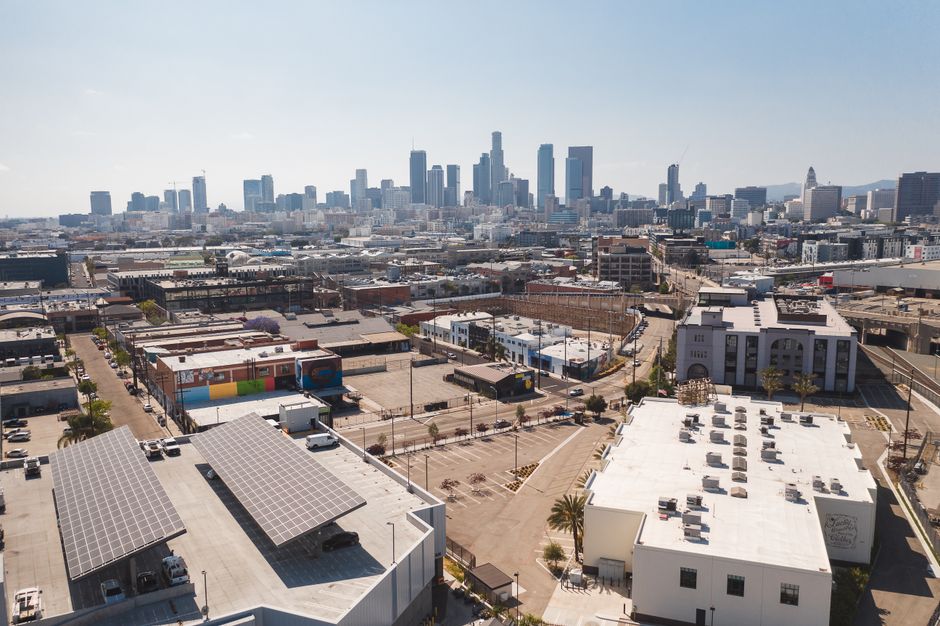
Downtown LA's Arts District has transformed dramatically for newcomers seeking urban energy on a smaller budget. The neighbourhood around Spring Street offers loft conversions, street art, and a younger, more transient community. It appeals to those prioritising walkability and cultural events over established social structures—the vibe is entrepreneurial rather than settled.
For international arrivals, the California Avenue area near Weho (West Hollywood) offers established immigrant support services, particularly among LGBTQ+ communities and Latin American expats. Neighbourhood organisations provide translation services and community networks that ease the transition.
The takeaway: Los Angeles neighbourhoods aren't interchangeable. Each carries distinct social DNA shaped by immigration history, economic demographics, and built environment. Successful newcomers spend time exploring before committing, attending neighbourhood events, and visiting local organisations. Your neighbourhood choice ultimately determines not just where you live, but who you'll become in this sprawling, multifaceted city.
This article was compiled by AI from the sources linked above and screened before publishing. See our editorial standards.