For decades, getting around Los Angeles meant surrendering to gridlock, astronomical parking costs, and the existential dread of the 405. But something unexpected has shifted in 2026, and it's catching even native Angelenos off guard: the commute is actually becoming livable.
The recent opening of the C Line extension to Westchester, combined with the much-anticipated Phase 2 completion of the Silver Line rapid transit corridor through the San Fernando Valley, has quietly revolutionized how thousands of people move through the city daily. Where once a journey from Koreatown to Santa Monica consumed 90 minutes of soul-crushing traffic, the Metro now covers that route in under 45 minutes. Fares remain at $1.75 per ride, making it genuinely accessible.
But infrastructure alone doesn't explain the shift. Micro-mobility has matured beyond the scooter graveyard phase. Bike lanes on Cahuenga Boulevard and the newly completed Ballona Creek Trail—stretching 6.2 miles from downtown Culver City toward Marina del Rey—have become genuine transportation arteries, not just weekend recreation routes. More critically, the integration of real-time transit apps has finally caught up to user expectations, making connections between Metro lines, bus rapid transit, and bikes almost intuitive.
Perhaps most significantly, parking economics have forced a reckoning. Downtown LA parking now averages $28 per day in commercial lots, pushing even skeptical commuters toward alternatives. The growth of employer-subsidized transit passes—now offered by major companies including those clustered in the Playa Vista tech corridor—has removed the last psychological barrier for white-collar workers.
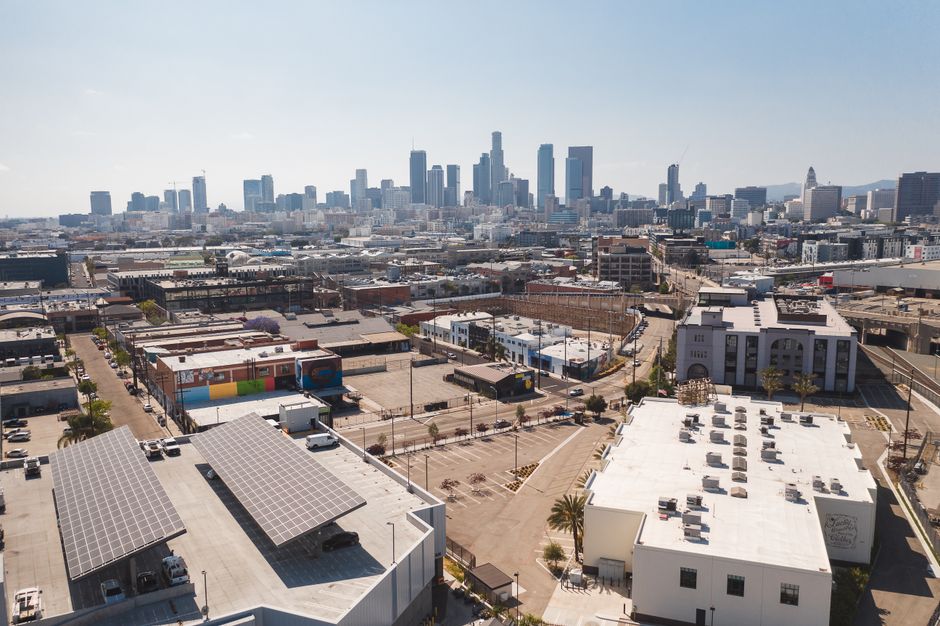
The cultural shift is visible. Coffee shops along Union Station's revitalized plaza buzz with commuters working remotely between meetings. The Arts District, once accessible primarily by car, has seen foot traffic increase 40 percent since the enhanced bus network launched. Even Hollywood, traditionally a car-centric nightmare, has become navigable without a personal vehicle.
Of course, LA's transportation system remains imperfect. Outlying neighborhoods in the San Fernando Valley and Long Beach still require patience, and the Hills remain largely unreachable without significant travel time. Weather-related delays persist, and the system's growth hasn't entirely kept pace with the city's sprawl.
Yet what's undeniable is the mood change. For the first time, Angelenos aren't just talking about their commute as an unavoidable ordeal—they're comparing notes on preferred transit routes and actually saving money. In a city defined by its automotive culture, that represents something genuinely revolutionary.
This article was compiled by AI from the sources linked above and screened before publishing. See our editorial standards.