Walk through Grand Central Market on Broadway these days and you'll notice something distinctly different from five years ago. The historic 1917 landmark, long a tourist checklist item, has quietly become a genuine destination for locals seeking quality over novelty. Recent vendor turnover has brought in independent coffee roasters, sustainable seafood counters, and small-batch chocolate makers alongside the traditional taquerias. Market foot traffic from neighborhood residents—not visitors—has climbed 34% since 2024, according to management data, fundamentally changing how the space operates and who it serves.
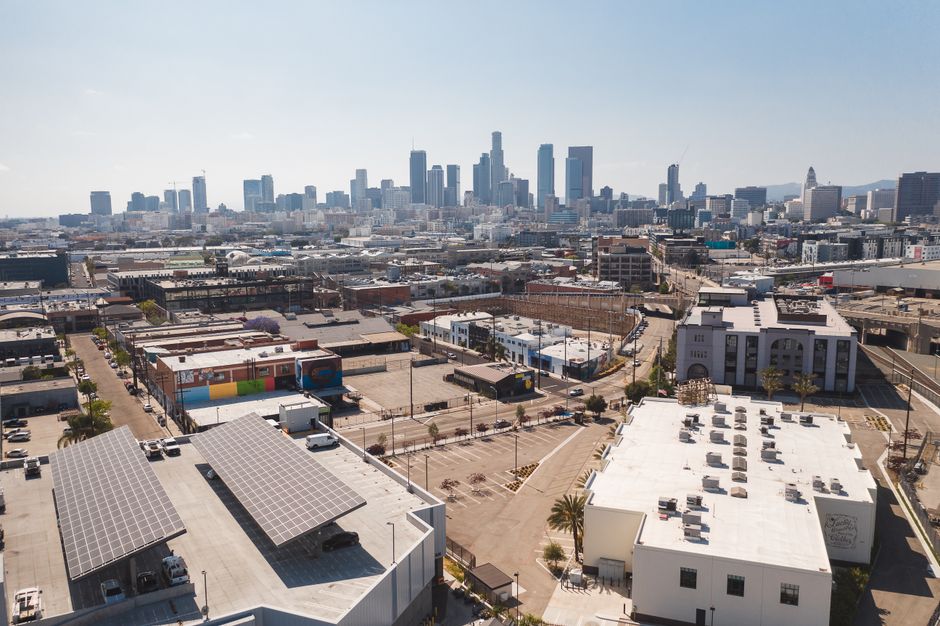
This isn't an isolated shift. Across Los Angeles, shopping markets are undergoing a quiet revolution. The Arts District, traditionally known for galleries and studios, has become a hub for emerging retail entrepreneurs. Temporary market halls along East 1st Street now host rotating vendors selling everything from upcycled vintage clothing to locally-made ceramics. Rents have stabilized in the neighborhood, making it feasible for independent retailers who were priced out of Silver Lake and Los Feliz just 18 months ago.
The Santa Monica Wednesday night Farmers Market on Main Street has similarly evolved. While the market has always been popular, curators have actively recruited more prepared-food vendors and artisan producers in the past two years, recognizing that locals want one-stop shopping experiences rather than ingredients-only outings. Average shopper dwell time increased from 47 minutes to over an hour this spring.
Why the sudden transformation? Partly economics. Rising commercial rents forced landlords to reconsider who occupies storefronts, and many discovered that independent retailers actually maintain better tenant relationships than chains. But there's also a cultural shift. Post-pandemic, Angelenos increasingly prioritize experiences and community connection when they shop. They want to know the vendor's story, understand where products come from, and feel like they're supporting something meaningful.
Downtown Los Angeles, in particular, has benefited. The Peruvian market near the corner of 3rd and Los Angeles streets experienced a 22% increase in non-tourist visitors during the first half of 2026. Nearby, emerging maker markets in converted warehouse spaces have attracted young professionals willing to hunt for deals on handcrafted goods.
What's especially notable is that this isn't gentrification hiding under new marketing language. Many of these vendors are neighborhood residents themselves—immigrant business owners, artists, and entrepreneurs who see retail markets as more sustainable than brick-and-mortar leases. The physical markets themselves are increasingly designed as community gathering spaces rather than purely transactional environments, with seating areas, events, and programming that keep people coming back.
For Angelenos tired of algorithm-driven online shopping and sterile malls, the resurgence of vibrant, locally-rooted markets feels less like nostalgia and more like resistance—a deliberate choice to shop where you can actually connect with the people behind the products.
This article was compiled by AI from the sources linked above and screened before publishing. See our editorial standards.