Grassroots Galleries Are Reshaping L.A.'s Art World—And ...
A surge of artist-led collectives across Downtown and Boyle Heights is challenging how Los Angeles thinks about who gets to show, and who gets to decide.
A surge of artist-led collectives across Downtown and Boyle Heights is challenging how Los Angeles thinks about who gets to show, and who gets to decide.
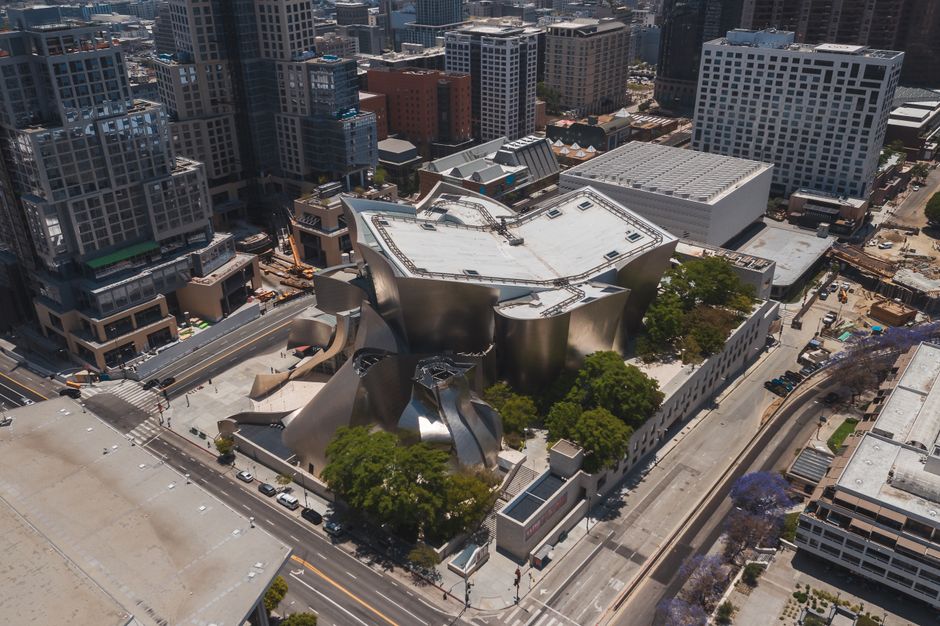
Walk down Alameda Street in Downtown Los Angeles on a Friday evening and you'll notice something has shifted. Where industrial warehouses once sat quietly, storefronts now glow with carefully hung paintings, video installations, and mixed-media works. These aren't the blue-chip galleries of Beverly Hills or the established institutions along Miracle Mile. They're spaces run by artists themselves—collectives that have fundamentally altered how cultural power flows through the city.
The movement gained momentum over the past three years as younger artists, priced out of traditional gallery representation, decided to bypass gatekeepers entirely. Organizations like the Boyle Heights-based Proyecto Pastoral and various artist cooperatives on the Arts District's east side have created exhibition models that prioritize access over exclusivity. A group show in a converted loft might charge $5 entry instead of $20; studio-share arrangements have dropped from $1,200 monthly to $600 when artists pool resources.
What's driving this isn't just economics. It's a philosophical shift. These grassroots spaces reflect the actual communities surrounding them—predominantly Latinx, immigrant, and working-class neighborhoods that have long felt excluded from L.A.'s established art institutions. When the Museum of Contemporary Art or the Broad focus attention downtown, it often means gentrification follows. These artist collectives, by contrast, are embedding themselves as cultural anchors that resist displacement rather than accelerate it.
The numbers tell part of the story. Since 2023, over 40 artist-run galleries have opened across Downtown and Boyle Heights, according to data from the Arts District Collective. Meanwhile, foot traffic to traditional galleries on La Cienega Boulevard and in West Hollywood declined by roughly 18 percent. Younger collectors—particularly those under 35—now say they're more likely to discover artists through Instagram stories from warehouse openings than through gallery mailers.
Institutions are noticing. The Broad and LACMA have both increased programming in underrepresented neighborhoods and hired community liaisons. Some gallery owners on Melrose have quietly shifted toward supporting emerging artists they might have dismissed five years ago.
The shift reflects a broader L.A. truth: cultural power isn't always handed down from institutions. Sometimes it's seized from the ground up, by people who simply decide to open a door and invite their community inside. That's the movement reshaping what art means in Los Angeles right now.
This article was compiled by AI from the sources linked above and screened before publishing. See our editorial standards.
How does this story make you feel?
Spread the word
About this article
Published by The Daily Los Angeles
Daily brief
Free, in your inbox before 7am. Weekdays.
More in culture