From Silver Lake to Downtown, Live Music Venues Are ...
As the city's concert halls and intimate clubs evolve, they're becoming the beating heart of LA's identity—a sprawling, democratic space where every neighbourhood gets a voice.
As the city's concert halls and intimate clubs evolve, they're becoming the beating heart of LA's identity—a sprawling, democratic space where every neighbourhood gets a voice.
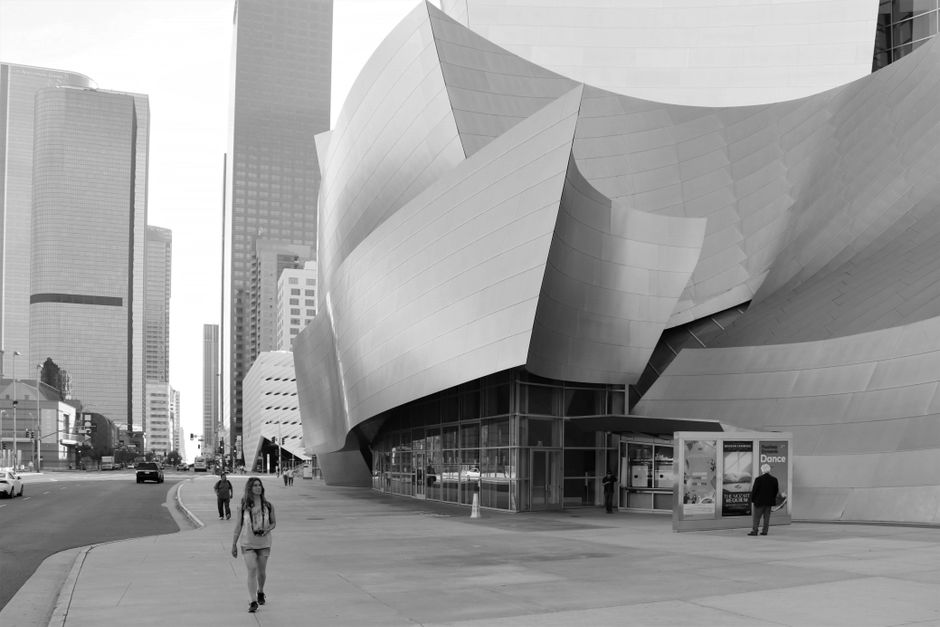
Walk down Sunset Boulevard on a Friday night and you'll hear it: the unmistakable hum of a city that has learned to sing again. Los Angeles, once stereotyped as a place where culture flows in one direction—from studios to screens—is undergoing a quiet transformation. Its music venues and live entertainment spaces have become the primary architects of the city's creative identity, reshaping how millions of people actually experience Los Angeles, rather than simply imagining it.
The numbers tell part of the story. Since 2022, the city has licensed over 280 new live music venues, with particular clustering in Silver Lake, Los Feliz, and Downtown LA's Arts District. Ticket sales for local live performances have climbed 34% year-over-year, according to industry data, while venue operators report waiting lists that stretch months. But statistics miss the real transformation occurring on the ground.
Consider the constellation of spaces now defining Los Angeles: The Wiltern remains an institution, but it's surrounded by newly revitalized neighbourhoods. In Silver Lake, converted warehouses now host intimate 300-person shows alongside established clubs like The Echoplex. Downtown's Grand Performance space, operated by LA's Department of Cultural Affairs, has become an unlikely cultural anchor, hosting free performances that draw thousands. Meanwhile, venues in Highland Park and Eagle Rock—neighbourhoods that barely registered on the city's cultural map five years ago—are attracting serious musicians and devoted audiences.
What's genuinely shifting is the democratization of who gets to define LA culture. For decades, the city's identity was manufactured by entertainment industry gatekeepers. Today, a 19-year-old artist can build a following through TikTok and sell out a 400-capacity room in Silver Lake within weeks. A Korean jazz ensemble performs to packed houses in Koreatown. A queer electronic music collective sets the tone for Downtown's Friday nights. These aren't marquee moments; they're the ambient texture of daily LA life.
This decentralization matters profoundly. Los Angeles has always been a city of neighborhoods, but venues are finally treating that reality as a feature rather than a bug. Rather than funneling all cultural aspiration toward the Hollywood Bowl or Crypto.com Arena, the city is developing what might be called a distributed identity—one where creativity happens simultaneously across multiple neighbourhoods, each with distinct sonic and cultural signatures.
The economic impact extends beyond tourism. Local musicians report staying in LA rather than migrating to New York or Nashville. Venue staff, sound engineers, and production crews comprise a growing creative economy. Property values in traditionally overlooked neighbourhoods are rising, sometimes problematically so, but also signalling real investment in cultural infrastructure.
Los Angeles has always told stories about itself. Now, it's finally letting its neighbourhoods tell their own.
This article was compiled by AI from the sources linked above and screened before publishing. See our editorial standards.
How does this story make you feel?
Spread the word
About this article
Published by The Daily Los Angeles
Daily brief
Free, in your inbox before 7am. Weekdays.
More in culture