Summer Slowdown: Los Angeles Tourism Faces Perfect Storm of Economic Headwinds in 2026
Rising airfares, international uncertainty, and shifting traveler priorities are dampening what should be peak season for the city's vital hospitality sector.
Rising airfares, international uncertainty, and shifting traveler priorities are dampening what should be peak season for the city's vital hospitality sector.
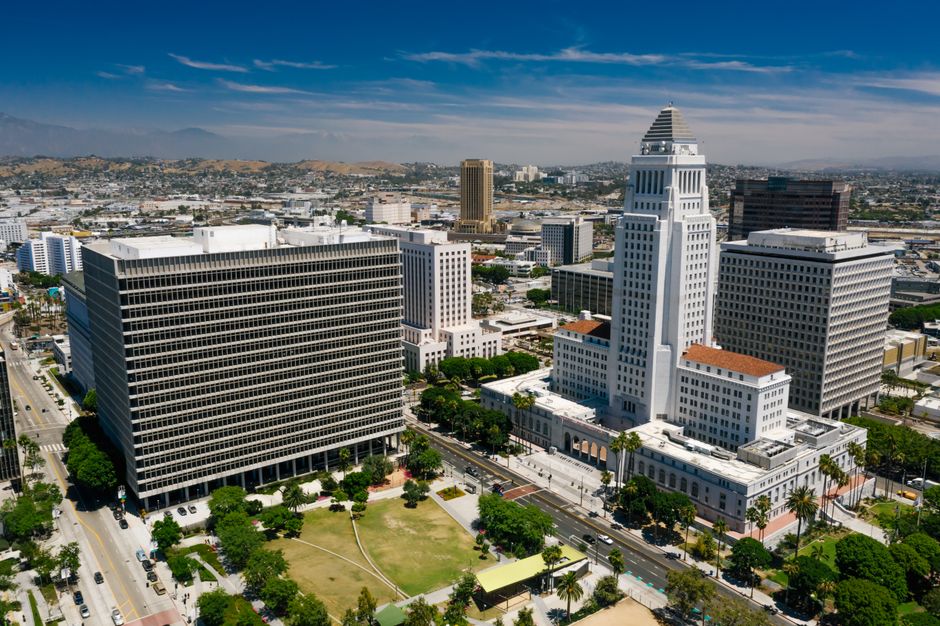
Los Angeles's tourism economy, which generates roughly $28 billion annually and supports over 500,000 jobs across hospitality, retail, and attractions, is confronting a confluence of challenges that threaten to undercut this traditionally robust season.
The numbers tell a sobering story. Average hotel room rates along the Hollywood Walk of Fame and in Santa Monica have climbed 18 percent year-over-year, while domestic flight bookings to LAX are down 12 percent compared to June 2025, according to preliminary data from the Los Angeles Tourism and Convention Bureau. International arrivals—traditionally a cornerstone of the sector—are particularly fragile. Geopolitical tensions in the Middle East and ongoing instability in key source markets have created hesitation among overseas travelers, especially from Europe and Asia-Pacific regions.
"We're seeing families delay summer trips or opt for domestic alternatives," explains one senior executive at a major Downtown Los Angeles hotel operator who requested anonymity due to corporate communication policies. The economic uncertainty reverberates across the supply chain: restaurants along The Grove's retail corridor report lower reservation volumes, while attractions operators acknowledge tighter budgets for staffing and maintenance.
The Convention Center, a linchpin of LA's visitor economy, has experienced cancellations of mid-sized trade shows typically scheduled for summer months. Meanwhile, higher operational costs—from energy to labor—are squeezing profit margins for venues already contending with stricter labor agreements and increasing compliance expenses.
Currency fluctuations compound the problem. A stronger dollar makes Los Angeles pricier for international visitors, who already face elevated airfares and accommodation costs. A family of four from London or Sydney now finds a week in Southern California 25 to 30 percent more expensive than two years ago.
Behavioral shifts add another layer of complexity. Post-pandemic travel patterns have fragmented: some leisure travelers are extending stays in secondary markets like San Diego or Palm Springs rather than concentrating time in LA. Corporate travel, another vital revenue stream, remains subdued as companies maintain remote-work flexibility.
Not all signals are negative. Summer film and television productions continue drawing crews and talent, sustaining some hospitality demand. Investments in transit improvements and beachfront renovations offer long-term promise. Yet as June transitions into July, LA's tourism sector confronts a season that, despite calendar advantages, may deliver considerably fewer visitors and substantially less spending than historical averages—a reality reshaping forecasts for the year ahead.
This article was compiled by AI from the sources linked above and screened before publishing. See our editorial standards.
How does this story make you feel?
Spread the word
About this article
Published by The Daily Los Angeles
Daily brief
Free, in your inbox before 7am. Weekdays.
More in Business