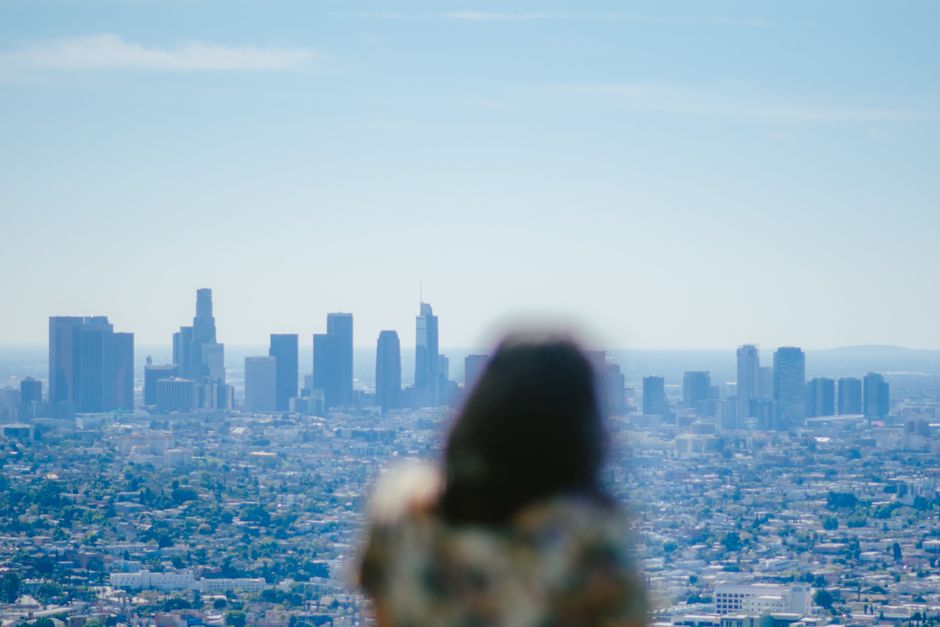
Downtown Los Angeles office vacancy rates have climbed to 18.2% this quarter—the highest in nearly a decade—and the trend points to deeper economic currents reshaping the region's commercial landscape. Understanding what's driving this shift requires parsing three interconnected financial signals: corporate contraction, capital reallocation, and shifting investor confidence.
The numbers tell a cautionary tale. Average office rents in the Financial District have dropped from $3.85 per square foot annually in early 2024 to $3.21 today, according to CBRE's latest market analysis. Meanwhile, investment sales volume across LA County commercial property fell 34% year-over-year through May 2026, suggesting institutional money is either sitting on the sidelines or moving elsewhere entirely.
This isn't merely a downtown phenomenon. Bunker Hill, once a symbol of downtown revitalization, now hosts three major office buildings with sublease availabilities exceeding 25%. The Wilshire Corridor—traditionally a stronghold for media and entertainment tenants—faces similar headwinds as studios consolidate operations and streamline real estate footprints following 18 months of workforce reductions.
What's actually happening? Tech companies that expanded aggressively through 2023 are rightsizing. Remote work adoption, now normalized, has eliminated the competition for dense urban office space. Simultaneously, institutional investors—pension funds, REITs, foreign capital—are rotating capital toward alternative assets: industrial real estate serving e-commerce logistics, life sciences facilities, and data centers. These sectors command 6-8% cap rates compared to office buildings yielding 3-4%.
The foreign investment piece matters. Capital from European and Asian institutions that historically anchored LA's commercial market has contracted visibly. Currency headwinds, higher interest rates globally, and political uncertainty abroad have made American real estate less attractive relative to domestic opportunities in those markets.
For local context, this creates divergent outcomes across neighborhoods. Santa Monica and Culver City, with diverse tenant bases spanning tech, entertainment, and creative services, show greater resilience. The Exposition Corridor continues attracting adaptive reuse investors betting on mixed-use development. But older Class B and C office stock—particularly in Koreatown and Mid-Wilshire—faces genuine distress.
The investment message is clear: capital isn't fleeing Los Angeles entirely, but it's being highly selective. Money follows yield and demographic trend, and traditional office real estate no longer delivers either convincingly. Until occupancy stabilizes and corporate demand returns, expect continued downward pressure on asset valuations and further capital migration toward higher-returning property classes.
This article was compiled by AI from the sources linked above and screened before publishing. See our editorial standards.