What LA's Real Estate Boom Really Signals: A Guide to Reading Economic Tea Leaves
As commercial and residential investment surges across Los Angeles, understanding what drives capital flows offers crucial insight into where the economy is headed.
As commercial and residential investment surges across Los Angeles, understanding what drives capital flows offers crucial insight into where the economy is headed.
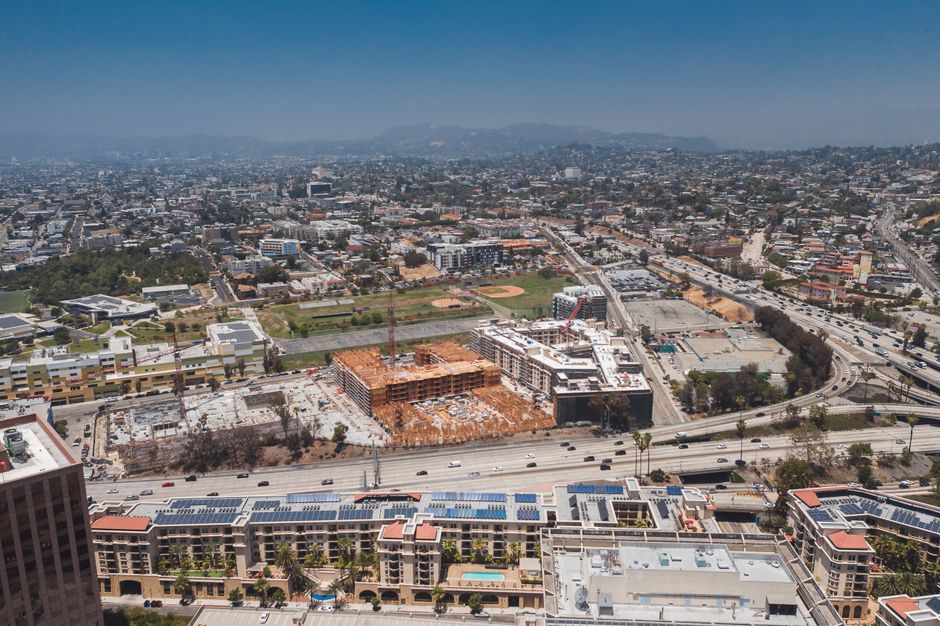
Walk down Wilshire Boulevard in Koreatown or along the Venice Beach promenade, and you'll see cranes, scaffolding, and "Coming Soon" signs everywhere. But what do these visible construction projects actually tell us about the health of Los Angeles' economy—and where savvy investors should be looking?
Economic indicators work like a financial nervous system. When institutional investors and venture capital firms channel billions into LA real estate, it signals confidence in future growth. According to recent market data, commercial real estate transactions in downtown Los Angeles have climbed 23 percent compared to early 2025, with office conversion projects particularly active near the Crypto.com Arena and along Spring Street. This isn't random enthusiasm; it reflects capital flowing toward sectors developers believe will generate returns.
The residential market tells a different story. Median home prices in affluent West Los Angeles neighborhoods like Brentwood have plateaued around $3.8 million, while more affordable areas like Boyle Heights and Echo Park have seen 8-12 percent annual appreciation. This divergence matters. When wealthy neighborhoods stabilize while middle-income areas appreciate faster, it signals investors are chasing yield over prestige—a meaningful shift that typically precedes broader economic cooling.
Meanwhile, commercial rents in Santa Monica and Beverly Hills have softened by roughly 5 percent year-over-year, reflecting uncertainty about post-pandemic office demand. Yet tech and entertainment companies continue leasing premium space in Hollywood and along the Sunset Strip, indicating selective, not universal, confidence.
What about inflation's grip on ordinary Angelenos? The cost of living remains elevated. A one-bedroom apartment in Mid-Wilshire now averages $2,100 monthly, while a basic grocery basket costs roughly 18 percent more than in 2022. These consumer prices don't always correlate directly with investment flows—capital can chase returns while households struggle with rent and food costs simultaneously.
The takeaway: investment flows reveal where money *thinks* opportunity exists, not necessarily where communities most need development. Strong institutional investment in downtown conversion projects near Grand Central Market suggests confidence in urban living's future. But sluggish commercial leasing in secondary office markets signals caution about workspace demand.
For Angelenos trying to navigate personal finances, the signal is mixed. Neighborhoods experiencing rapid investor interest may see prices climb, squeezing out existing residents. Meanwhile, stabilizing luxury markets might eventually ease affordability pressure—though history suggests that trickle-down effect takes years.
The economy's health, ultimately, requires reading multiple indicators simultaneously. Investment flows are one crucial signal among many worth monitoring closely.
This article was compiled by AI from the sources linked above and screened before publishing. See our editorial standards.
How does this story make you feel?
Spread the word
About this article
Published by The Daily Los Angeles
Daily brief
Free, in your inbox before 7am. Weekdays.
More in Business