Global Instability Is Reshaping Los Angeles' Cost of Doing Business
As geopolitical tensions ripple across the world, local entrepreneurs and corporations are scrambling to adapt supply chains, insurance costs, and operational strategies.
As geopolitical tensions ripple across the world, local entrepreneurs and corporations are scrambling to adapt supply chains, insurance costs, and operational strategies.
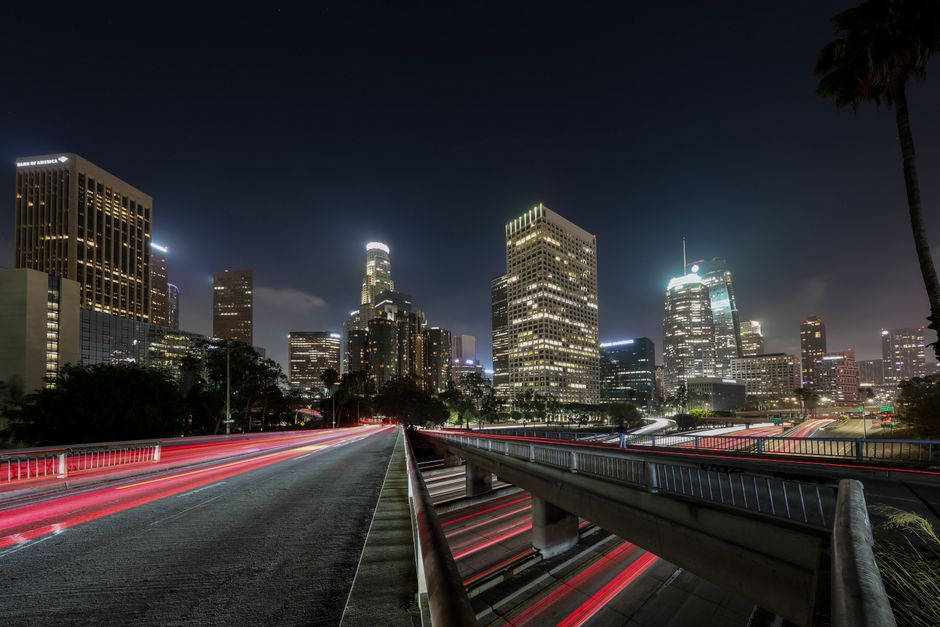
Walking down Broadway in Downtown Los Angeles these days, you'll notice something that financial analysts have been tracking with increasing concern: the price of doing business in the city is being shaped less by local market forces and more by global instability that feels increasingly distant yet undeniably real.
The disruption begins in shipping lanes. Tensions over the Strait of Hormuz—where roughly one-third of global maritime trade passes through—have created ripple effects that Los Angeles port operators know intimately. Shipping insurance premiums have climbed significantly, a cost that filters directly into inventory expenses for retailers along Melrose Avenue and manufacturers in the San Fernando Valley. Local import-export businesses report that what once took predictable routes now requires expensive detours, adding weeks to delivery timelines and months of uncertainty to financial planning.
Insurance brokers throughout Century City and the Financial District report a similar story: clients' premiums have increased 15-20% over the past eighteen months as underwriters price in geopolitical risk. Manufacturing operations from Vernon to Commerce face higher costs for their liability and property coverage. Tech companies in Santa Monica's burgeoning startup ecosystem grapple with cyber insurance rates that reflect global instability and increased hacking risks tied to international conflict.
The talent market tells another cautionary tale. Recruitment firms report that high-skilled workers—particularly those in aerospace, defense, and international trade—are demanding higher salaries to offset concerns about economic instability. Tech recruitment agencies near the Grove note that compensation packages have become more competitive as candidates factor global uncertainty into their career decisions.
Real estate, Los Angeles' perennial concern, reflects these pressures acutely. Commercial landlords along Wilshire Boulevard and in emerging neighborhoods like Downtown Arts District report that tenants are negotiating shorter lease terms and requesting force majeure clauses that account for international disruptions. Venture capitalists in Westwood are scrutinizing international exposure in their portfolio companies more carefully than ever.
For mid-sized manufacturers and exporters—the backbone of Los Angeles' diverse economy—the calculus has become brutal. A company sourcing materials from multiple continents must now invest in redundancy, increase cash reserves for contingencies, and build in supply-chain buffers that directly reduce profit margins.
The irony is acute for a city built on global commerce. Los Angeles' strength has always rested on its position as a gateway to international markets. Today, that same position makes it vulnerable to forces far beyond City Hall's control. Smart business leaders are adapting, but the cost of that adaptation is ultimately borne by workers, consumers, and the city's economic resilience itself.
This article was compiled by AI from the sources linked above and screened before publishing. See our editorial standards.
How does this story make you feel?
Spread the word
About this article
Published by The Daily Los Angeles
Daily brief
Free, in your inbox before 7am. Weekdays.
More in Business