LA's Tourism Recovery Signals Strong Economic Growth: Here's What the Numbers Tell Us
Hotel occupancy rates and convention center bookings reveal how visitor spending is reshaping the city's commercial landscape.
Hotel occupancy rates and convention center bookings reveal how visitor spending is reshaping the city's commercial landscape.
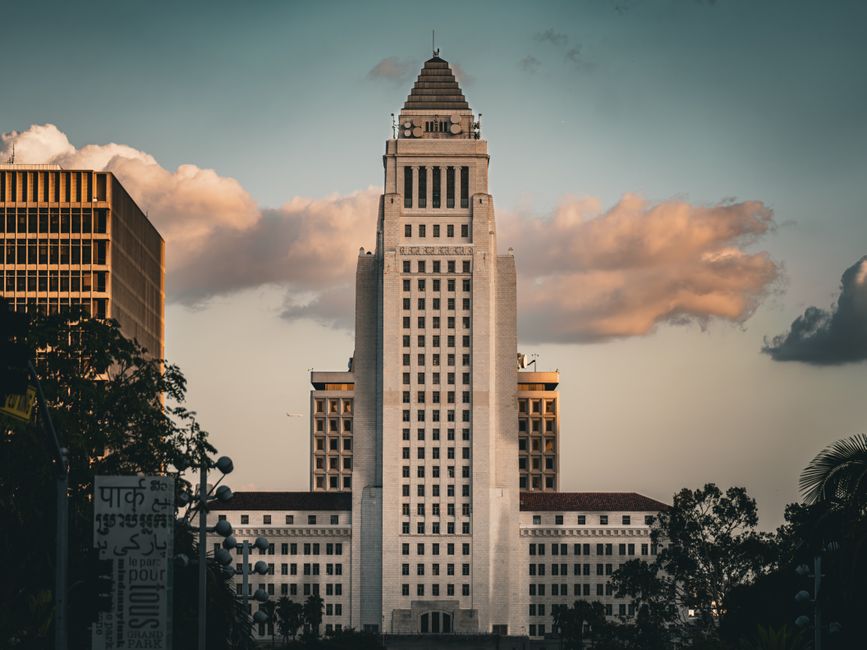
Los Angeles is experiencing a measurable rebound in its visitor economy, with economic indicators suggesting robust investment flows into hospitality, retail, and real estate across the city's key tourism corridors.
Hotel occupancy in central Los Angeles reached 78 percent in the second quarter of 2026, up from 71 percent the same period last year, according to data tracked by commercial real estate analysts. Average daily room rates in the downtown Los Angeles cluster—spanning from the Crypto.com Arena district through the Financial District—have climbed to $187, representing a 6 percent year-over-year increase. These metrics matter because they directly reflect visitor spending patterns and capital allocation decisions by major hotel operators and development firms.
The Los Angeles Convention and Visitors Bureau has logged over $1.2 billion in convention contracts signed for future events, a signal that corporate investment in the city's conference infrastructure remains strong. This translates into sustained demand for hotel inventory, restaurant services, and transportation networks along Figueroa Street, Olive Avenue, and throughout the Arts District.
Real estate investors are responding. Recent commercial property transactions near major attractions—including properties near the Grove shopping center in the Fairfax District and along Hollywood Boulevard—have commanded premium valuations, reflecting confidence in long-term visitor spending. Institutional investors view these assets as stable income generators, with some retail properties commanding 4 to 5 percent net operating yield returns.
The employment multiplier effect is equally significant. The Los Angeles Area Chamber of Commerce reports that hospitality-sector job openings have increased 12 percent compared to June 2025, primarily in housekeeping, food service, and guest relations roles. These positions typically offer $18 to $26 hourly wages plus benefits, supporting middle-class employment in neighborhoods throughout the city.
What drives these indicators? International visitor arrivals to Los Angeles International Airport increased 8 percent in the first half of 2026. Domestic tourism remains robust as well, with visitors spending an estimated $32 per capita daily on food, entertainment, and retail—up from $29 two years prior.
However, analysts caution that sustained growth depends on infrastructure investment. The LA Metro system and parking availability in high-traffic zones like Santa Monica Boulevard and Sunset Boulevard directly influence visitor behavior and spending distribution across neighborhoods. Capital allocation toward transit improvements and visitor amenities will determine whether these positive economic signals translate into equitable distribution of tourism revenue throughout the broader Los Angeles region.
This article was compiled by AI from the sources linked above and screened before publishing. See our editorial standards.
How does this story make you feel?
Spread the word
About this article
Published by The Daily Los Angeles
Daily brief
Free, in your inbox before 7am. Weekdays.
More in Business