Los Angeles Trade Hub Faces Headwinds as Global Uncertainty Reshapes Commerce in 2026
Port delays, geopolitical tensions, and shifting tariff policies are testing the resilience of Southern California's international business networks.
Port delays, geopolitical tensions, and shifting tariff policies are testing the resilience of Southern California's international business networks.
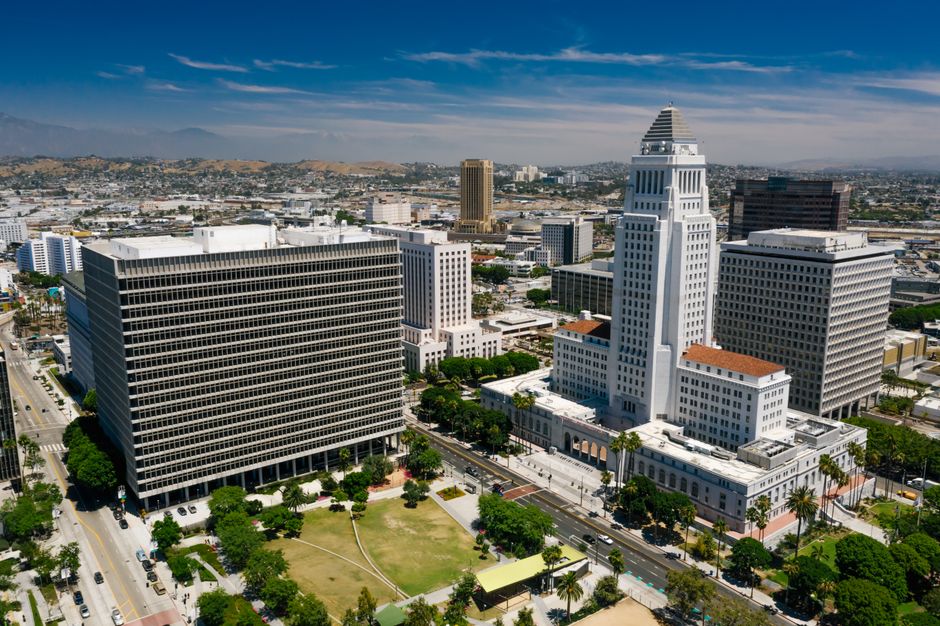
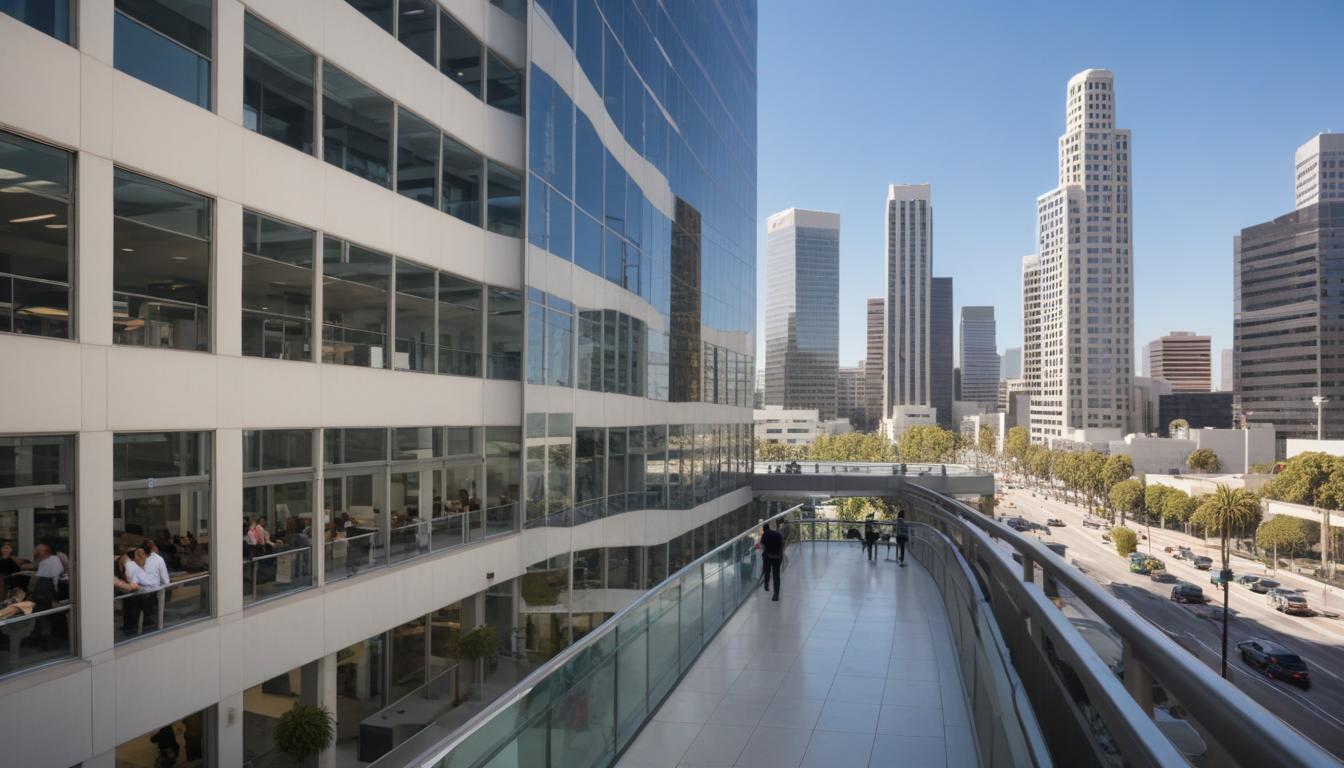
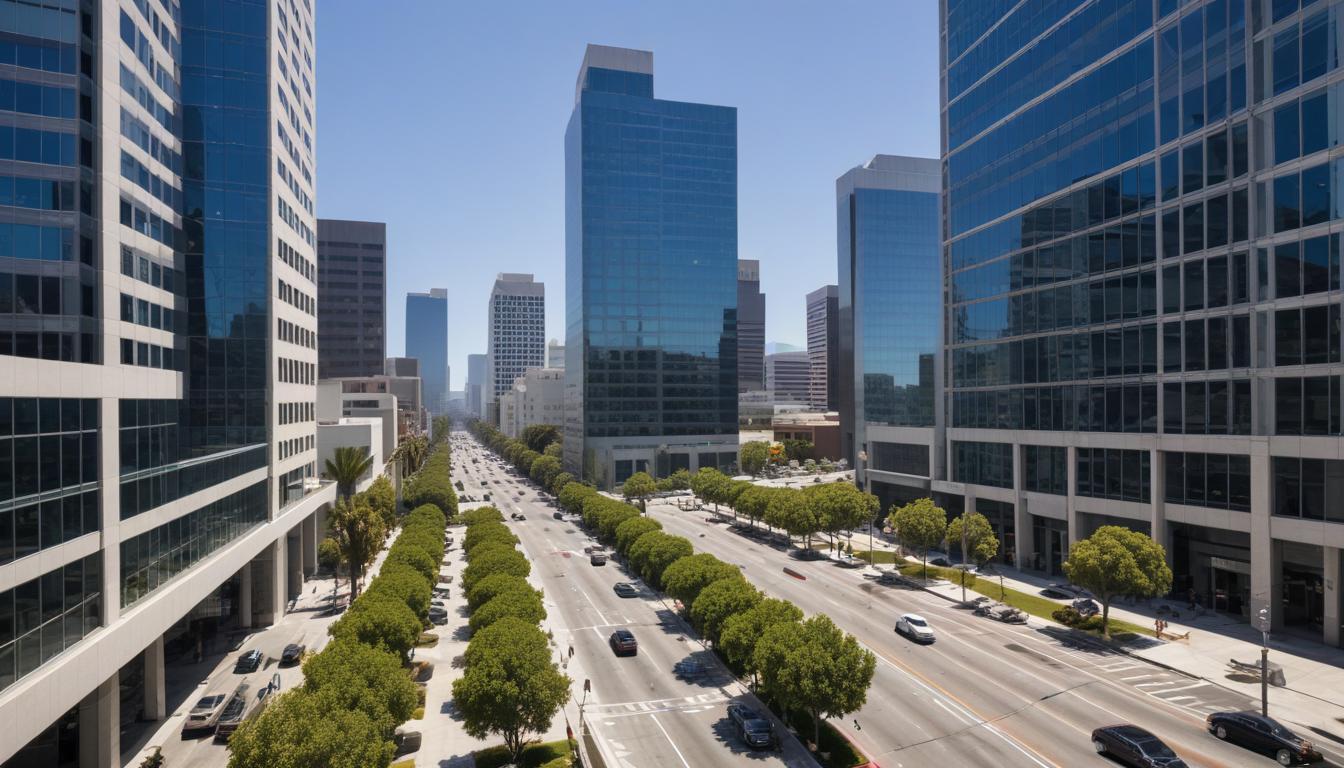
The optimism that once defined Los Angeles's role as America's gateway to Pacific trade has dimmed considerably as 2026 unfolds. Executives working along the booming commercial corridors of downtown's Financial District and the sprawling industrial zones of Vernon and Commerce are grappling with a confluence of challenges that threaten to disrupt decades of global supply chain dominance.
The Port of Los Angeles, which handles roughly 9 million containers annually and generates an estimated $800 billion in annual trade value for Southern California's economy, is experiencing significant operational strain. Average container dwell times have stretched to 6.2 days—up from historical norms of 4.5 days—according to port authority data. Industry observers attribute the delays to congestion compounded by unpredictable international shipping schedules and labor negotiations that threaten to upend operations.
The broader challenge, however, extends well beyond the waterfront. Geopolitical tensions in the Middle East and South China Sea have introduced insurance premiums and routing inefficiencies that add weeks to transit times. For importers clustered around the Fashion District and jewelry wholesalers in the Arts District, these delays translate directly to bottom-line pressure. One mid-sized apparel distributor reported that goods arriving at the port now take an additional 10-14 days to reach warehouse shelves compared to early 2024.
Tariff uncertainty compounds the problem. Companies operating distribution centers in Ontario and Long Beach face unpredictable duty structures that make contract pricing nearly impossible. Several major retailers have begun exploring nearshoring options to Mexico, potentially diverting some business from Los Angeles's traditional role as a consolidation hub.
The skilled workforce that powers Los Angeles's international business sector faces its own pressures. Customs brokers, freight forwarders, and logistics coordinators—roles that typically pay $65,000 to $95,000 annually—are increasingly difficult to recruit as younger professionals explore less volatile industries. The Los Angeles Chamber of Commerce reported in its latest survey that 34% of trade-dependent businesses plan to reduce international operations or consolidate routes.
Yet the city's fundamental advantages—geographic position, infrastructure investment, and deep networks of service providers—remain intact. Major corporations headquartered in Century City and smaller firms throughout the San Fernando Valley continue to invest in their operations. The challenge now is whether Los Angeles can maintain momentum through a period of genuine structural uncertainty. The next 18 months will prove critical in determining whether this remains America's preeminent trade gateway or merely one option among many.
This article was compiled by AI from the sources linked above and screened before publishing. See our editorial standards.
How does this story make you feel?
Spread the word
About this article
Published by The Daily Los Angeles
Daily brief
Free, in your inbox before 7am. Weekdays.
More in Business