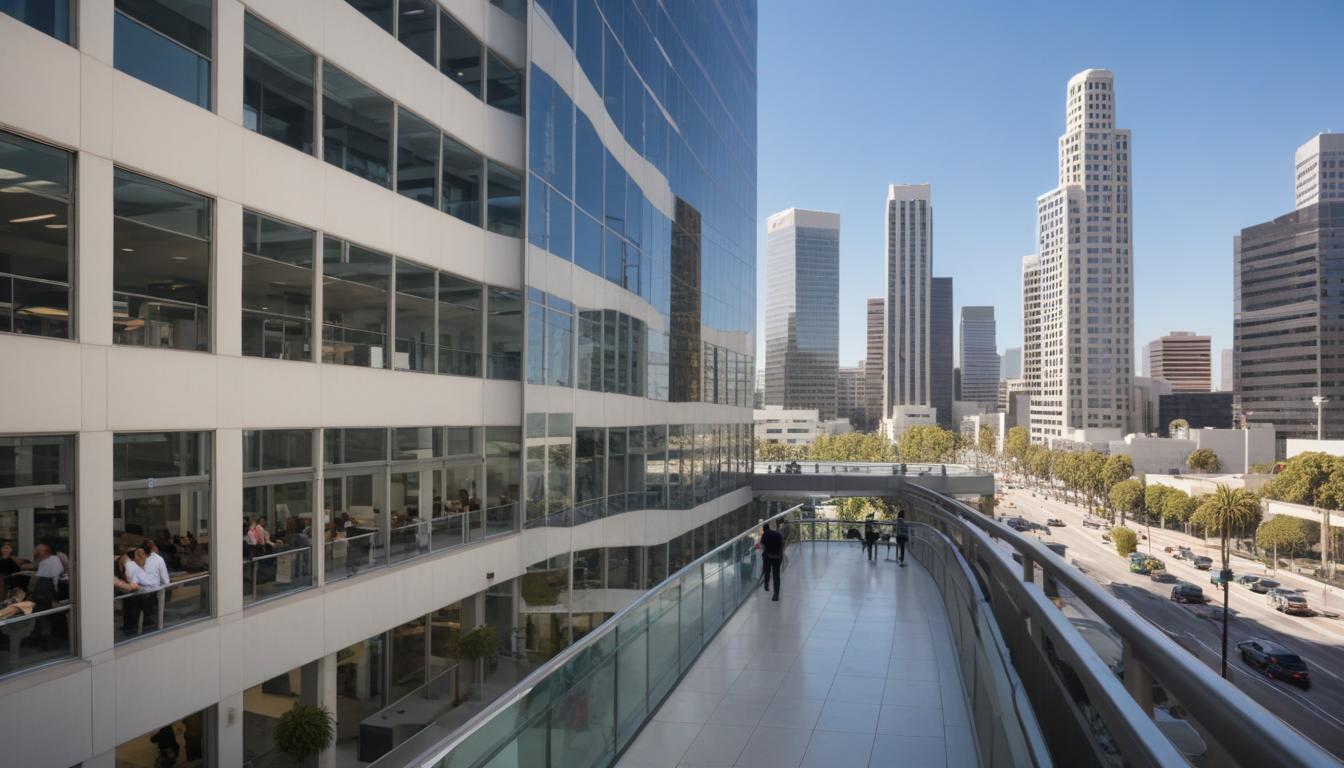
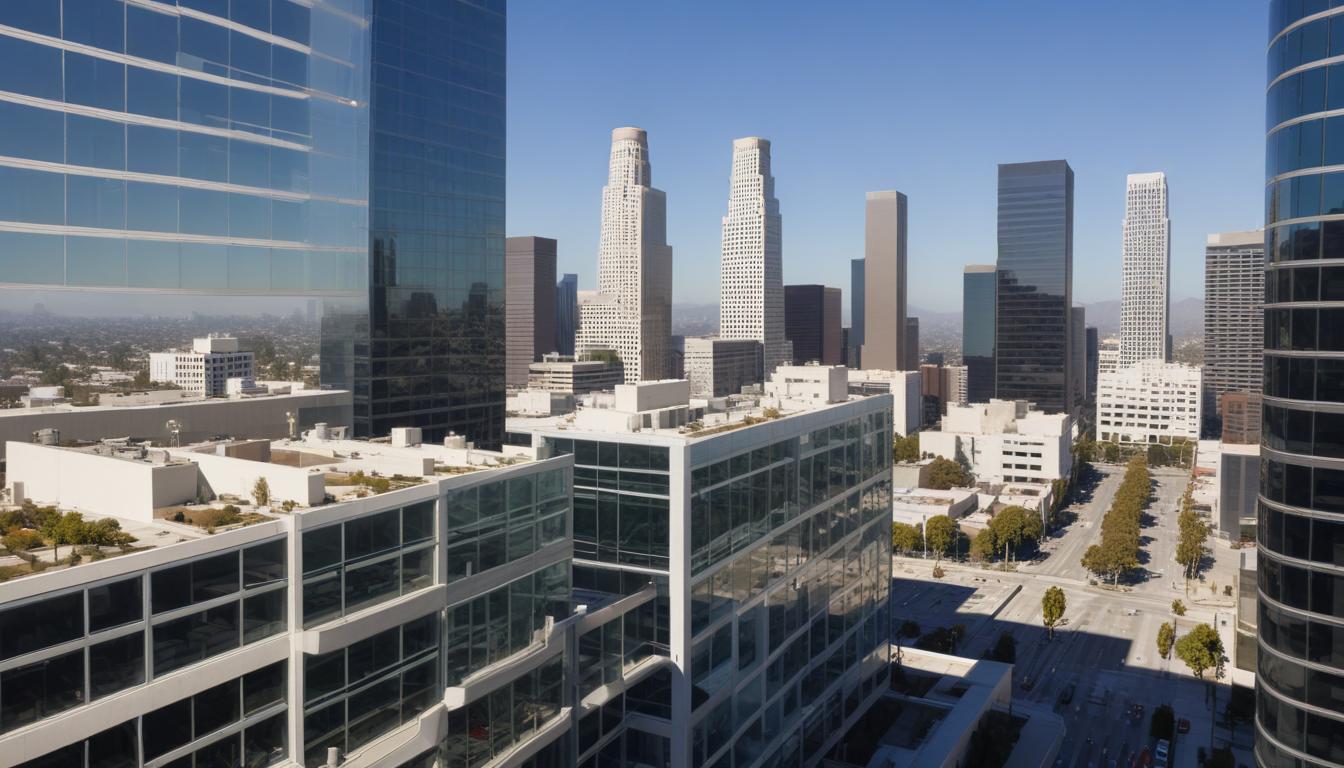
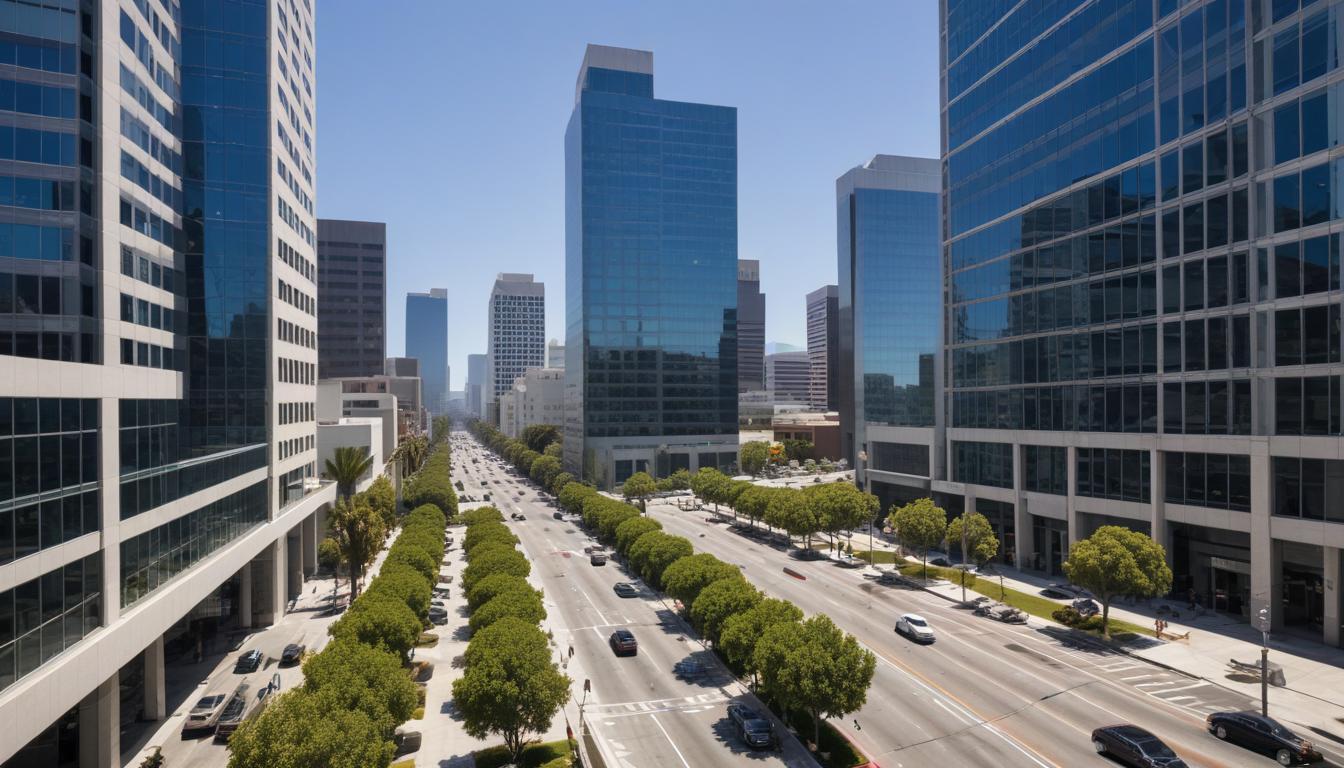
Los Angeles's tightly wound job market is undergoing a seismic shift as remote work options drain premium tech talent from traditional office hubs in Santa Monica, Century City, and Downtown LA, forcing local employers to rethink compensation packages and workplace amenities to stay competitive.
The trend accelerated sharply over the past 18 months, with data from the Los Angeles Economic Development Corporation showing that nearly 35% of professional services and tech positions now offer hybrid or fully remote arrangements—double the pre-pandemic rate. This flexibility has emboldened workers to relocate to more affordable areas, with many choosing the Inland Empire or Orange County while maintaining LA salaries.
"We're seeing an unprecedented talent exodus," said one senior hiring manager at a major financial services firm headquartered on Wilshire Boulevard. The challenge is acute for smaller companies that can't compete with mega-employers like Google and Netflix, which offer robust remote infrastructure and relocation packages. A mid-level software engineer in Culver City can now command $180,000 to $220,000 annually—a significant bump from five years ago—but employers report candidates are increasingly willing to walk away if remote options aren't on the table.
The shift is reshaping commercial real estate too. Several tech-forward companies along the Corridor in West LA have scaled back office footprints, opting for smaller collaboration spaces rather than sprawling open floors. Meanwhile, younger professionals are gravitating toward neighborhoods with strong community amenities: Silver Lake, Los Feliz, and Arts District lofts are seeing renewed demand as workers prioritize walkability and cultural access over proximity to corporate campuses.
Not all sectors are losing ground. Healthcare, entertainment production, and aerospace—industries requiring on-site presence—continue to anchor employment in LA proper. Employers in these fields are now experimenting with signing bonuses and enhanced benefits to attract talent that might otherwise chase remote opportunities elsewhere.
The ripple effects are evident across hospitality and retail too. Coffee shops along Sunset Boulevard and restaurants near business clusters report changing lunch-hour patterns as fewer office workers congregate downtown. Meanwhile, suburban commercial zones near the 10 and 405 freeways are becoming secondary employment hubs.
Industry observers expect this volatility to stabilize within two to three years as companies finalize post-pandemic policies. What's clear now: LA's ability to retain its reputation as a talent magnet depends less on office location and more on whether employers can offer flexibility, competitive pay, and meaningful work. For job seekers, the leverage has shifted decisively in their favor—at least for now.
This article was compiled by AI from the sources linked above and screened before publishing. See our editorial standards.