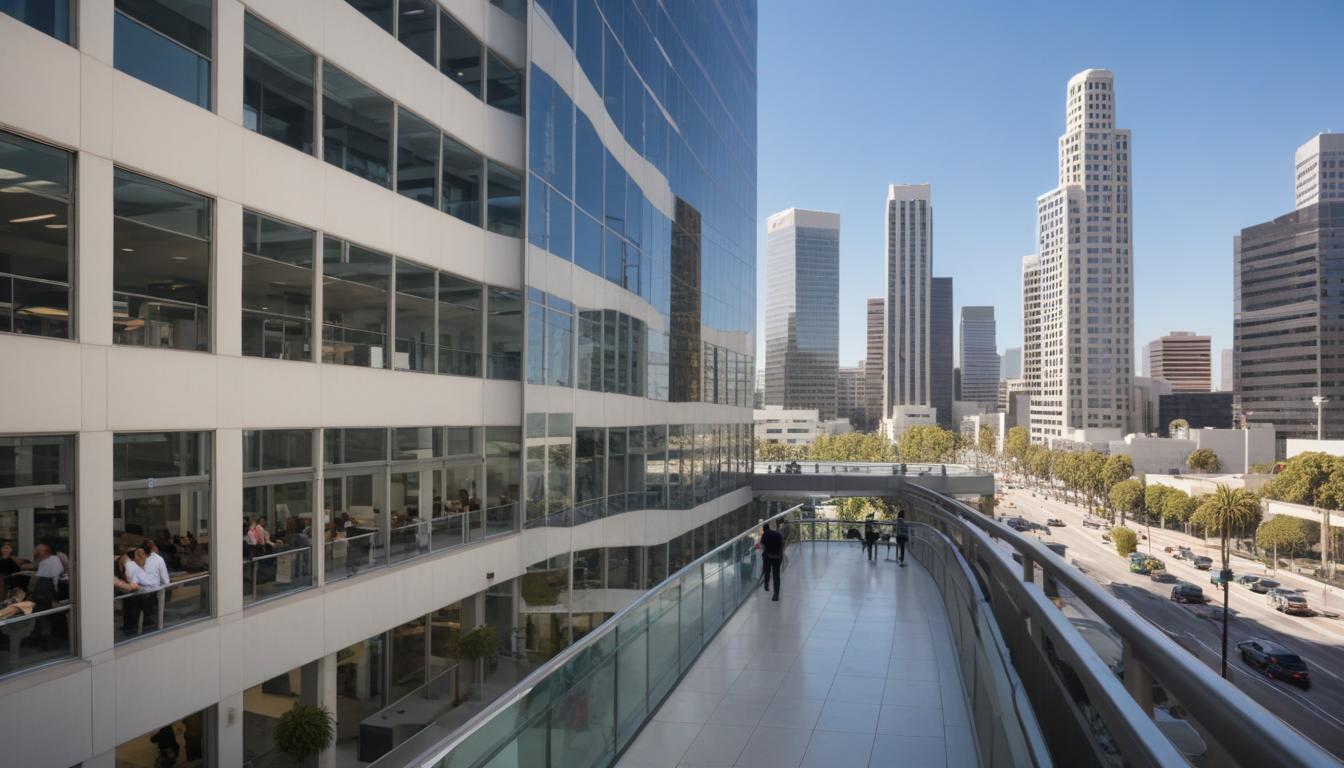
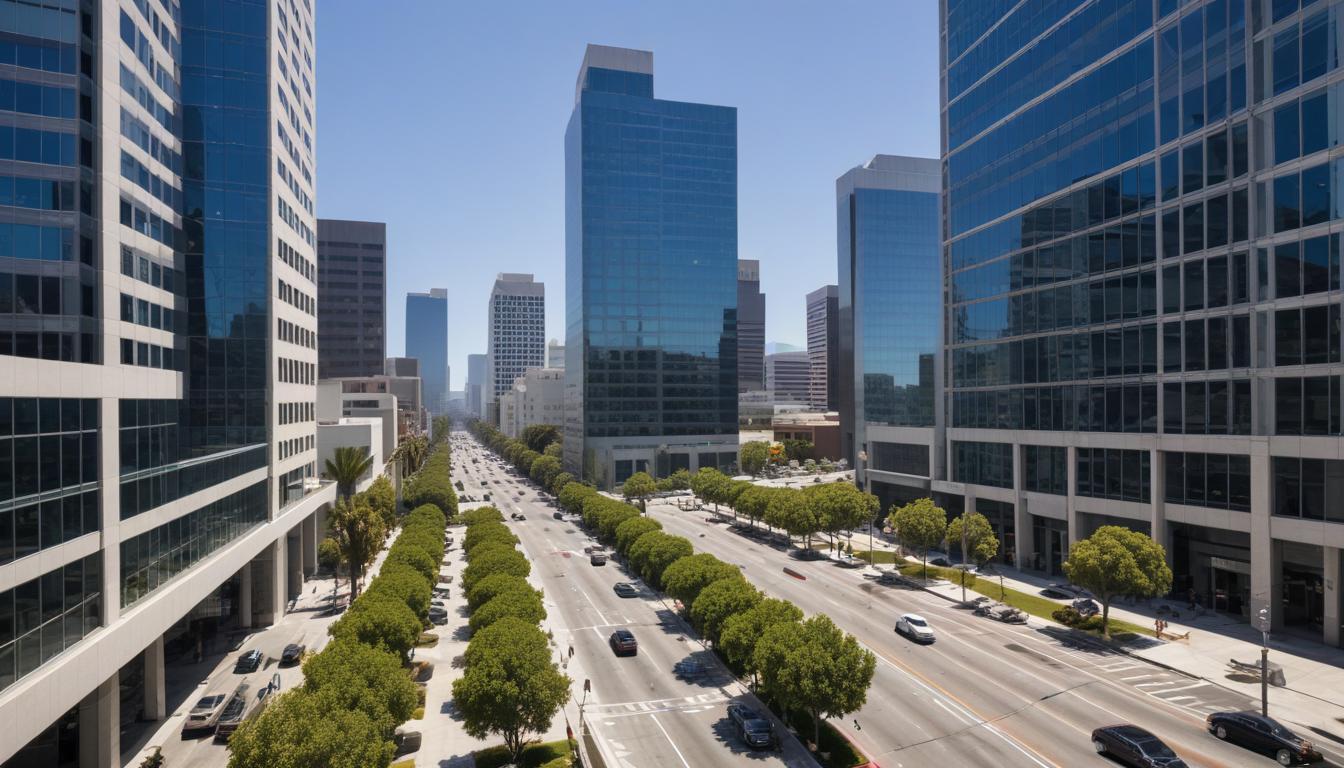
The conference rooms along Wilshire Boulevard and across the Arts District are buzzing with conversations that would have seemed out of place three years ago. Venture capitalists and founders gathering at spots like the Playa Vista tech hub are no longer just debating product-market fit—they're debating whether to hire engineers from Iran-adjacent regions, how to source components amid African supply chain disruptions, and whether their data centers should diversify beyond traditional locations.
The reality facing Los Angeles's 3,000-plus active startups is stark: the global landscape is reshaping local business strategy in real time. Recent geopolitical friction—from Middle Eastern tensions affecting semiconductor routes to African instability impacting rare earth mineral sourcing—has forced LA's innovation ecosystem to confront supply chain vulnerabilities that venture capital models rarely accounted for.
"We're seeing founders suddenly care about geopolitical risk in ways they didn't eighteen months ago," explains one recurring theme among investors working the Century City and Downtown Los Angeles startup circuits. Companies that once viewed global sourcing as purely a cost optimization question are now treating it as an existential business concern.
The impact is measurable. A recent survey of LA-based tech companies with $10-50 million in annual revenue found that 67% have either shifted supplier relationships or begun reshoring certain operations. Companies operating in the life sciences corridor around USC and USC's research parks are particularly exposed, given dependencies on international reagent supplies and pharmaceutical components.
Talent acquisition has also shifted. LA startups traditionally competed globally for engineers and researchers, but visa complications tied to Middle Eastern regions and travel uncertainties have prompted some founders to prioritize West Coast recruiting more aggressively—a subtle but significant shift in hiring geography that's already affecting real estate demand in neighborhoods like Palms and Mar Vista.
Funding patterns are evolving too. Venture firms with exposure to international capital are becoming more cautious about deployment timelines, while domestic-focused LPs are gaining relative influence in round structures. This matters enormously for an ecosystem where international venture capital once accounted for roughly 30% of funding volume.
For Los Angeles—a city that has built its startup identity around global connectivity and international talent—the moment represents both challenge and opportunity. The founders adapting fastest are those treating geopolitical awareness not as a compliance checkbox but as a competitive advantage, building resilience into their core operations rather than treating it as an afterthought.
This article was compiled by AI from the sources linked above and screened before publishing. See our editorial standards.