LA's Job Market Faces Perfect Storm as Growth Stalls, Costs Soar
Rising commercial rents, AI automation, and a talent exodus are colliding to reshape Southern California's employment landscape in 2026.
Rising commercial rents, AI automation, and a talent exodus are colliding to reshape Southern California's employment landscape in 2026.
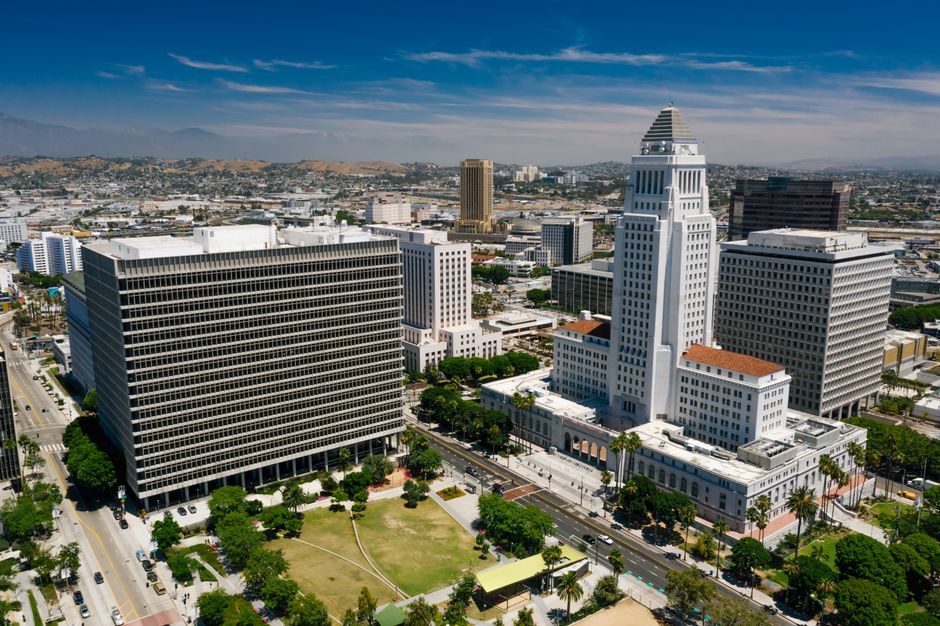
Los Angeles's historically resilient job market is hitting unexpected turbulence this year, with employers across the entertainment, tech, and professional services sectors grappling with a convergence of headwinds that threaten the region's economic momentum.
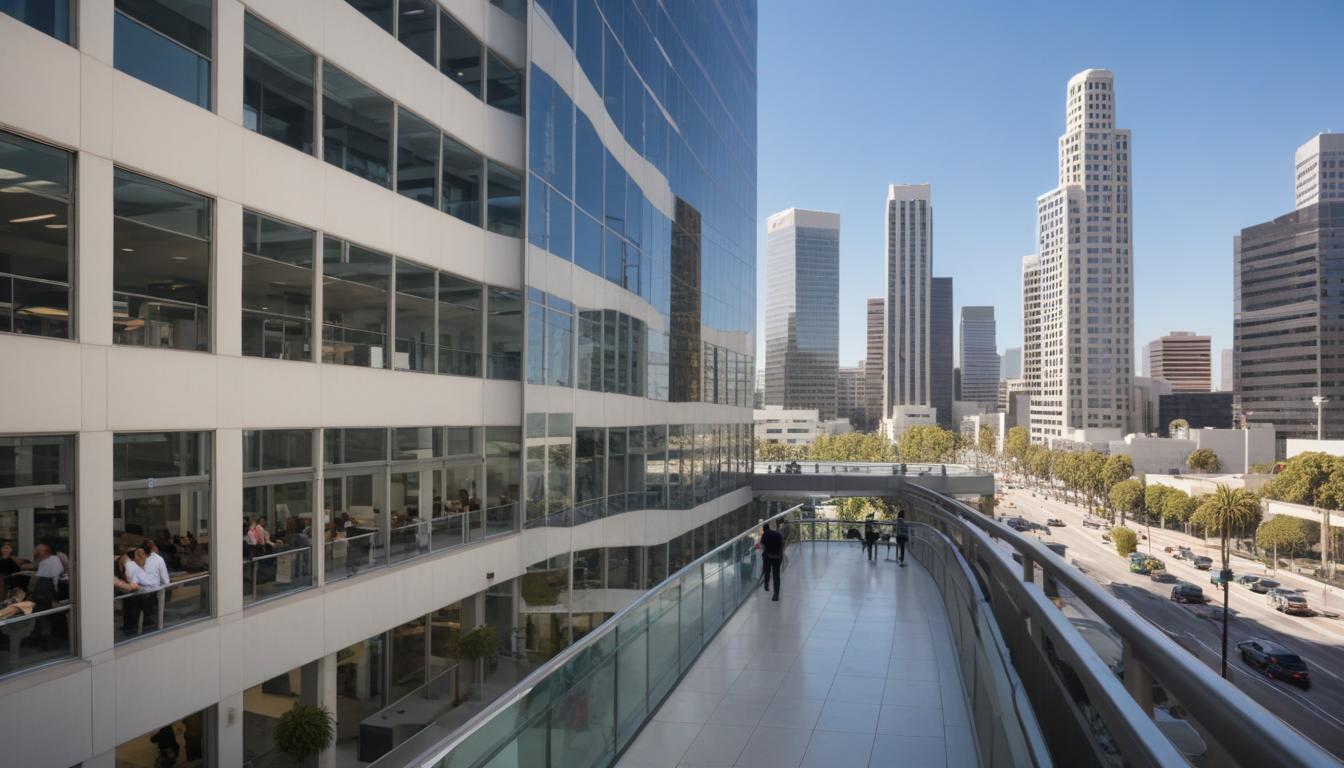
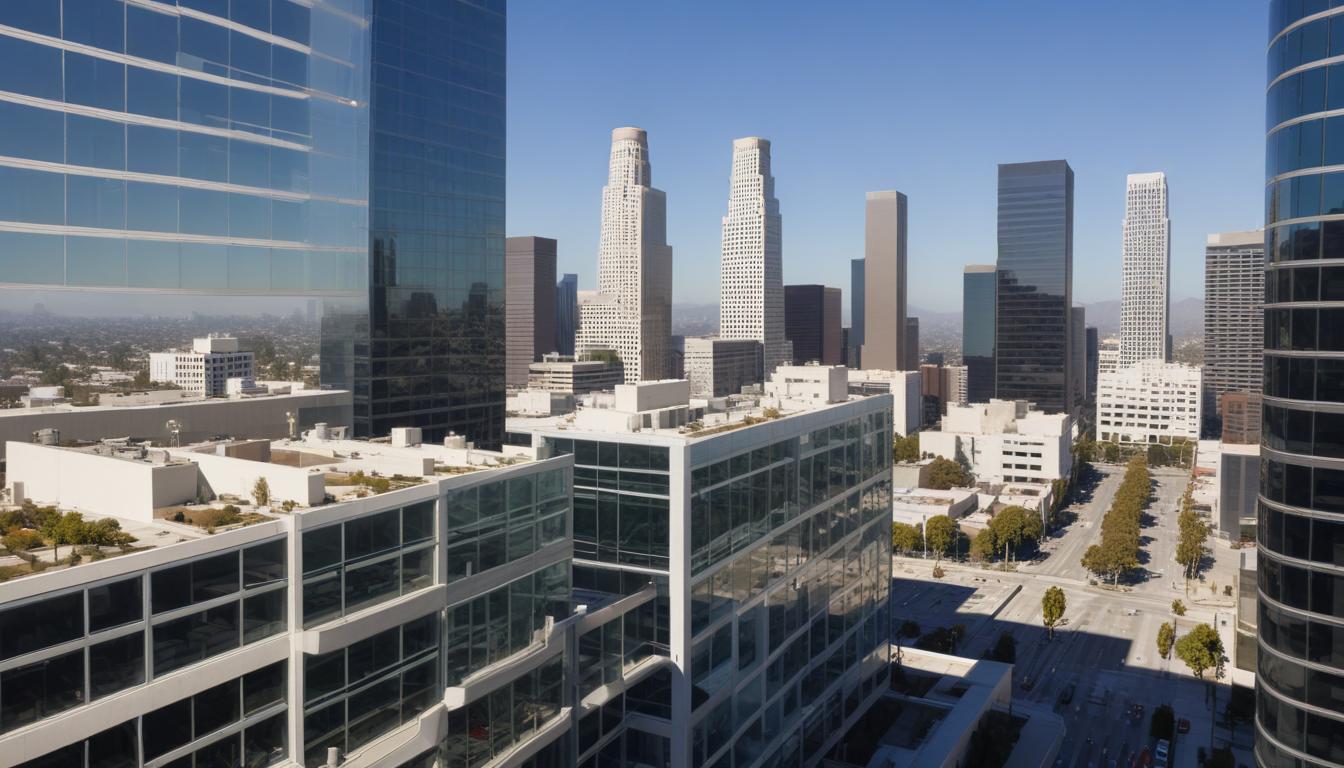
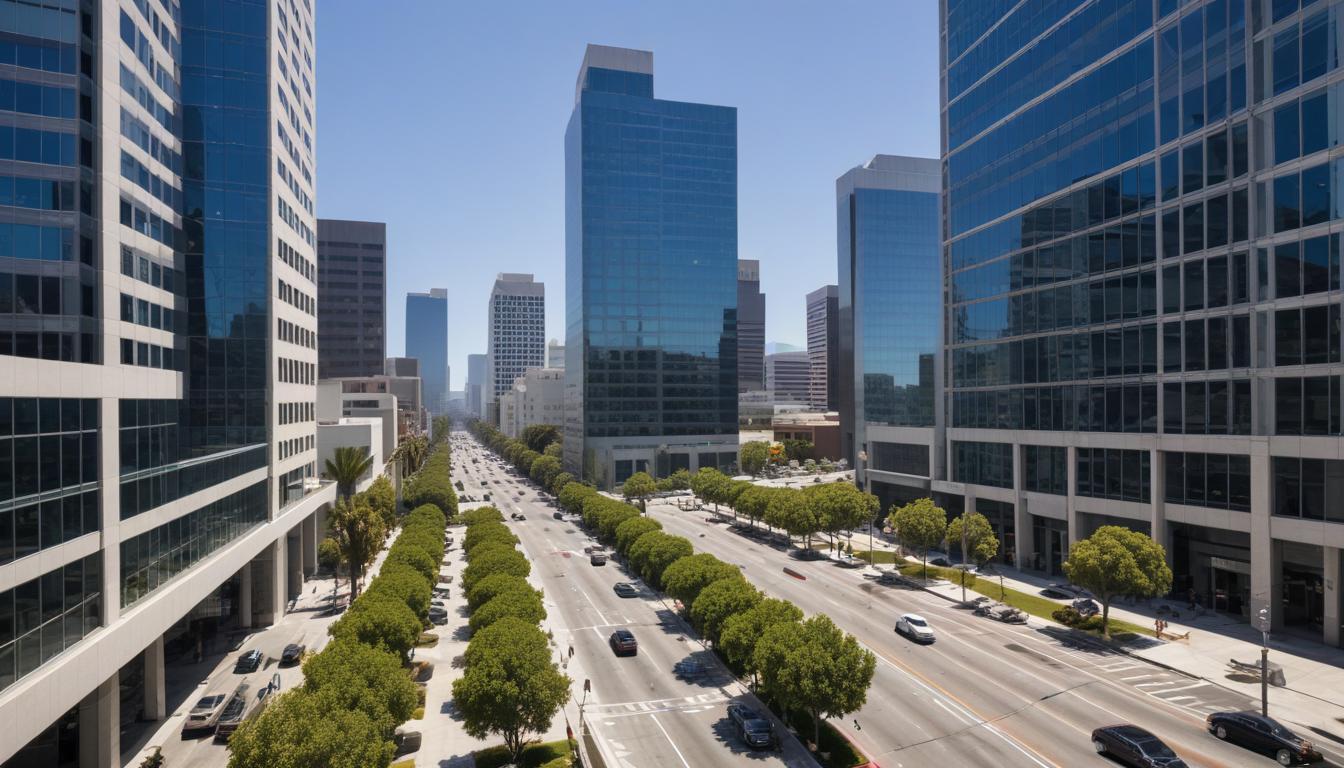
The first quarter saw unemployment tick up to 5.2 percent—the highest in three years—signaling a broader cooling in hiring. Downtown Los Angeles, where office occupancy rates have hovered around 65 percent since early 2025, continues to feel the pinch. Midtown's prominent office towers on Flower Street and Hope Street have seen tenants delay expansion plans, with some relocating back-office operations to Austin and Denver where commercial real estate costs are substantially lower.
"We're hearing from clients that they're being more selective about hiring," said one executive recruiter operating from Santa Monica, describing what's become a widely recognized pattern. The entertainment industry—historically LA's lifeblood—faces mounting production delays following extended industry labor negotiations, leaving post-production studios and talent agencies across Hollywood operating at reduced capacity.
The artificial intelligence shift has accelerated displacement in unexpected ways. Mid-level positions in marketing, data entry, and content production have contracted by roughly 8 percent year-over-year, according to preliminary labor data. Meanwhile, companies seeking specialized AI and machine learning talent have driven up compensation requirements, creating a bifurcated market where entry-level workers face stiffer competition while experienced technical professionals command premium packages.
Commercial landlords remain aggressive despite tenant reluctance. Office space in Century City now averages $6.50 per square foot monthly—up 18 percent from 2024—forcing smaller agencies and startups to reconsider their physical footprints. The creative agencies clustered around Wilshire Boulevard are increasingly flexible on lease terms, yet this hasn't translated into lower take-up rates.
The talent exodus compounds these pressures. Career-focused professionals continue migrating toward lower cost-of-living metros, particularly those offering remote-first opportunities. Tech workers in particular have become increasingly mobile, with San Diego, Phoenix, and Dallas presenting attractive alternatives to Los Angeles's persistent housing affordability crisis.
Yet pockets of resilience remain. Aerospace and defense contracting, concentrated in Long Beach and El Segundo, continues expanding modestly. Healthcare and biotech hubs around Pasadena maintain steady hiring momentum. Hospitality, still recovering from pandemic disruptions, is selectively adding positions as tourism rebounds.
Most industry observers expect the malaise to persist through 2026, with meaningful recovery unlikely before the final quarter. For LA's workers and employers alike, adaptation—not expansion—has become the operative strategy.
This article was compiled by AI from the sources linked above and screened before publishing. See our editorial standards.
How does this story make you feel?
Spread the word
About this article
Published by The Daily Los Angeles
Daily brief
Free, in your inbox before 7am. Weekdays.
More in Business