What Every LA Resident Should Know About Tourism's Real Impact on Your City
As visitor spending reaches record levels, locals are discovering the hidden trade-offs reshaping neighborhoods, housing, and daily life across Los Angeles.
As visitor spending reaches record levels, locals are discovering the hidden trade-offs reshaping neighborhoods, housing, and daily life across Los Angeles.
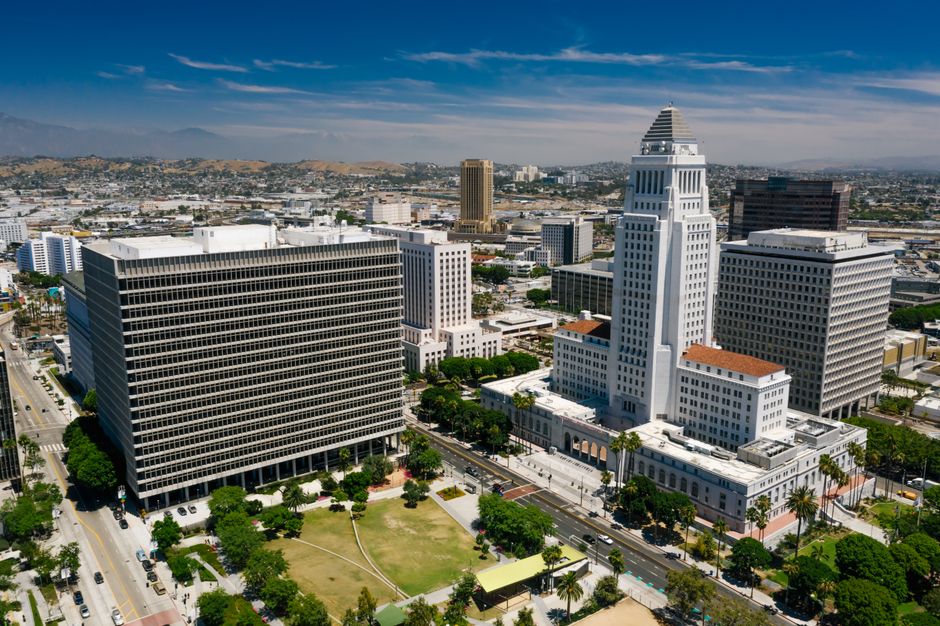
Los Angeles welcomed 50 million visitors last year, generating $28 billion in direct visitor spending—figures that look impressive in tourism board reports. But for residents navigating the city's actual streets, the visitor economy presents a more complicated reality worth understanding before another tourist season peaks.
The numbers tell one story: hotels along Wilshire Boulevard and downtown's Crypto.com Arena district are operating at 85% occupancy, with average nightly rates climbing to $189, up 18% since 2024. Tour operators report waiting lists stretching into autumn. But residential neighborhoods from Silver Lake to Santa Monica are experiencing secondary effects that deserve scrutiny.
Parking has become a genuine flashpoint. The Los Angeles Department of Transportation estimates that tourism-related vehicles occupy roughly 12% of available street parking during peak season—a figure that feels far higher to residents trying to park near their homes in Hollywood or Koreatown. Simultaneously, short-term rental platforms have converted an estimated 15,000 residential units from long-term housing stock, contributing meaningfully to a housing market where median rent exceeds $2,000 monthly.
Restaurant and retail landscapes are shifting noticeably. Establishments clustered near major attractions—Venice Boulevard near the Pier, Hollywood Boulevard near the Walk of Fame, and the Third Street Promenade—have increasingly catered to visitor preferences, sometimes at the expense of neighborhood character that served locals for decades. Simultaneously, local business owners report September through February as the only reliably quiet months for planning and staffing adjustments.
Water and infrastructure deserve attention too. The city's aging water systems, strained during droughts, absorb additional pressure from 50 million annual visitors. Waste management services face seasonal surges that sometimes create visible overflow in neighborhoods near major attractions.
There are genuine economic benefits residents should acknowledge. Tourism supports roughly 500,000 jobs across the region—many in housekeeping, hospitality, and service sectors. Tax revenue from hotels generates funds for public services, though economists debate whether the infrastructure burden justifies the allocation.
The key insight for everyday Angelenos is this: tourism isn't incidental to your city anymore. It's structural. Understanding its mechanics—from parking impacts to housing conversion rates to infrastructure pressure—allows residents to engage meaningfully in local policy conversations about visitor management, affordable housing protections, and neighborhood preservation. The visitor economy will continue reshaping Los Angeles. The question is whether residents shape that transformation or simply experience it.
This article was compiled by AI from the sources linked above and screened before publishing. See our editorial standards.
How does this story make you feel?
Spread the word
About this article
Published by The Daily Los Angeles
Daily brief
Free, in your inbox before 7am. Weekdays.
More in Business