How Economic Signals Are Reshaping Investment in LA's Food and Hospitality Sector
Rising labor costs and consumer spending patterns are redirecting capital flows across Downtown, West Hollywood, and Santa Monica's dining and lodging landscapes.
Rising labor costs and consumer spending patterns are redirecting capital flows across Downtown, West Hollywood, and Santa Monica's dining and lodging landscapes.
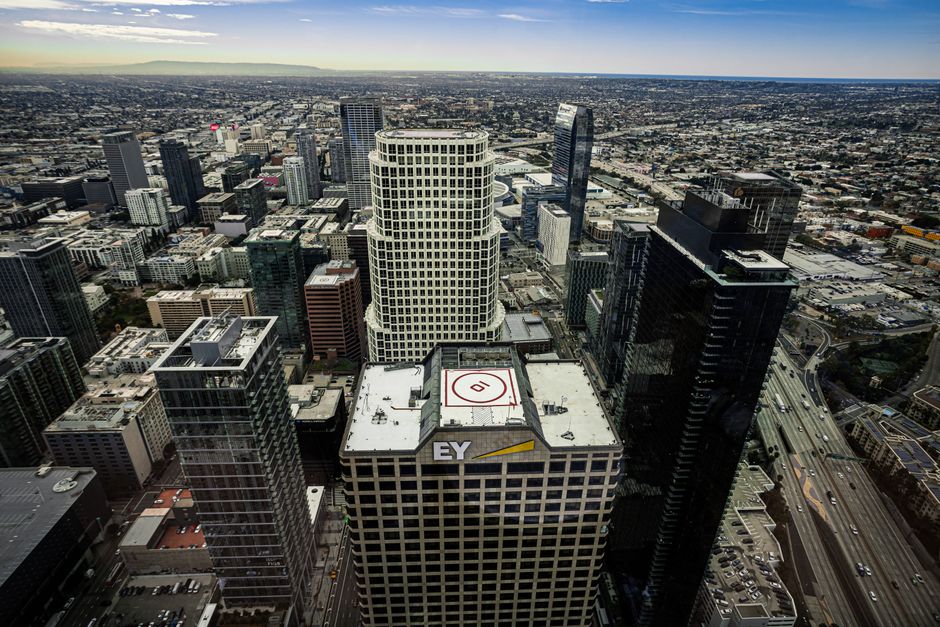
Los Angeles's retail hospitality and food sectors are experiencing a decisive shift driven by macroeconomic forces that are reshaping where investors place their bets. Understanding these currents reveals why some neighborhoods are attracting capital while others face headwinds.
The clearest signal comes from labor economics. California's minimum wage—currently $16.50 per hour—has pushed operating margins thinner for mid-market restaurants. This cost pressure is directing investment toward two distinct strategies: upscale venues that can absorb higher wages through premium pricing, and highly automated or fast-casual concepts requiring smaller back-of-house teams. Along Abbot Kinney Boulevard in Venice, newer restaurant openings skew toward $28-$42 entree pricing. Downtown Los Angeles, by contrast, has seen increased investment in ghost kitchen operations and delivery-focused concepts that optimize labor efficiency.
Consumer spending data provides another compass. The UCLA Anderson Forecast indicates that discretionary spending on dining experiences remains relatively resilient among households earning above $150,000 annually, even as middle-income consumers pull back. This explains the concentration of new capital in West Hollywood and the Pico-Robertson corridor, where average household incomes exceed $120,000. Investment in these neighborhoods has grown roughly 18 percent year-over-year, according to commercial real estate analysts tracking the sector.
Interest rates continue to influence hospitality expansion. When borrowing costs rise, hotel development slows—particularly the mid-market properties that require moderate leverage. Yet luxury developments around Century City and boutique hotel conversions in the Arts District remain attractive to institutional investors seeking longer-term hold periods and brand equity. These assets weather rate fluctuations better than speculative restaurant concepts.
Tourism recovery is uneven. International visitor numbers to Los Angeles remain approximately 12 percent below 2019 levels, constraining hotel occupancy rates around LAX and Long Beach. This has deterred new hotel construction in those corridors. Conversely, domestic travel to entertainment and dining destinations has rebounded faster, concentrating new hospitality investment near the Staples Center area and Hollywood Boulevard.
Real estate availability also shapes investment flows. Retail space availability rates in Santa Monica currently hover around 7.2 percent—historically tight—pushing asking rents to $7.50-$9.00 per square foot monthly. Developers responding to this scarcity are converting older office space in Silver Lake and Echo Park into food halls and experiential dining venues, where tenant demand remains strong and conversion economics work at rents 30-40 percent below ground-floor retail.
For investors monitoring this sector, the message is clear: capital follows wage-adjusted margins, consumer income concentrations, and real estate arbitrage. Those three variables, more than sentiment or trend-chasing, are determining where Los Angeles's hospitality future is being built.
This article was compiled by AI from the sources linked above and screened before publishing. See our editorial standards.
How does this story make you feel?
Spread the word
About this article
Published by The Daily Los Angeles
Daily brief
Free, in your inbox before 7am. Weekdays.
More in Business