Los Angeles small business owners are navigating a rapidly shifting marketplace as mid-2026 brings unexpected opportunities alongside persistent headwinds. Three emerging trends are reshaping how entrepreneurs in the region must operate—from Downtown's Arts District to the Venice Boardwalk and beyond.
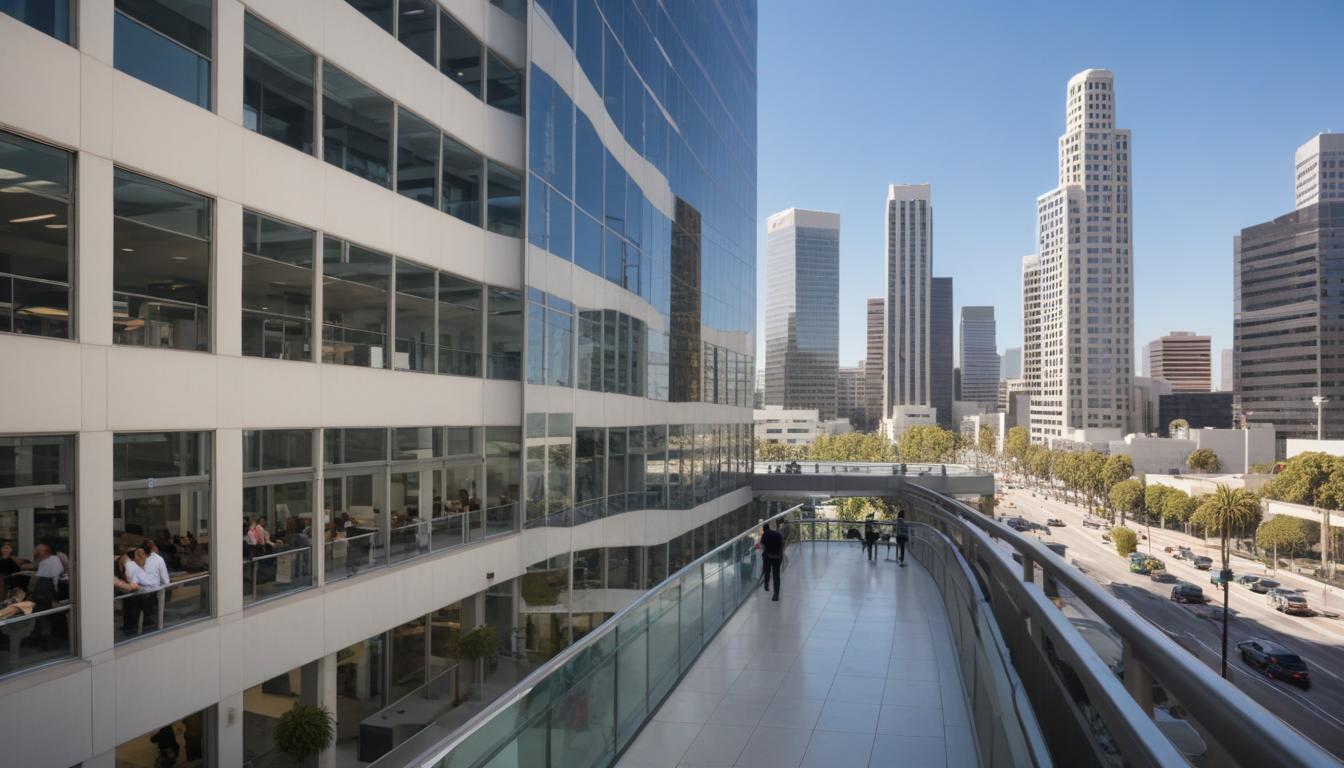
First, commercial real estate is finding a new equilibrium. After years of volatility, office and retail spaces along Broadway and in the Fashion District are seeing modest rental declines of 3-5%, according to recent market surveys from local commercial brokers. However, the real story isn't falling prices—it's selective tenant power. Landlords are increasingly offering three-month free rent and flexible lease terms to secure long-term commitments, particularly for ground-floor retail. Entrepreneurs should capitalize on this moment by negotiating aggressively, especially if they're eyeing premium locations in Silverlake or Los Feliz, where foot traffic remains robust.
Second, consumer spending patterns have diverged sharply by category. While discretionary retail faces ongoing pressure, the wellness and services sector—fitness studios, mental health coaching, and beauty services—continues expanding. The LA market has seen a 12% year-over-year increase in wellness-related business registrations, with particular growth in personal training studios and nutritionist practices operating from shared workspace in areas like Koreatown and West Hollywood. Smart entrepreneurs are recognizing that Los Angeles residents increasingly prioritize health investments over material purchases.
Third, digital integration is now table stakes, not advantage. Payment processing, inventory management, and customer relationship systems have become baseline expectations. Businesses still operating primarily on cash registers or basic spreadsheets are losing market share to competitors with streamlined operations. Local organizations like the Los Angeles Business Journal and SCORE mentoring programs report that small business owners investing in even modest technology upgrades—typically $2,000-$5,000 annually—are seeing 15-20% productivity gains.
The broader context matters too. Supply chain stability has largely normalized, though inflation remains a persistent cost pressure. Labor costs in LA continue climbing, with minimum wage discussions ongoing at the city level. Entrepreneurs hiring in hospitality or retail should budget accordingly.
The window for negotiating favorable commercial terms won't remain open indefinitely. Smart business leaders are moving now—securing space, upgrading systems, and positioning themselves in growing sectors. The LA entrepreneurs who thrive in the next 12 months will be those who act decisively on these trends rather than waiting for conditions to become perfect.
This article was compiled by AI from the sources linked above and screened before publishing. See our editorial standards.