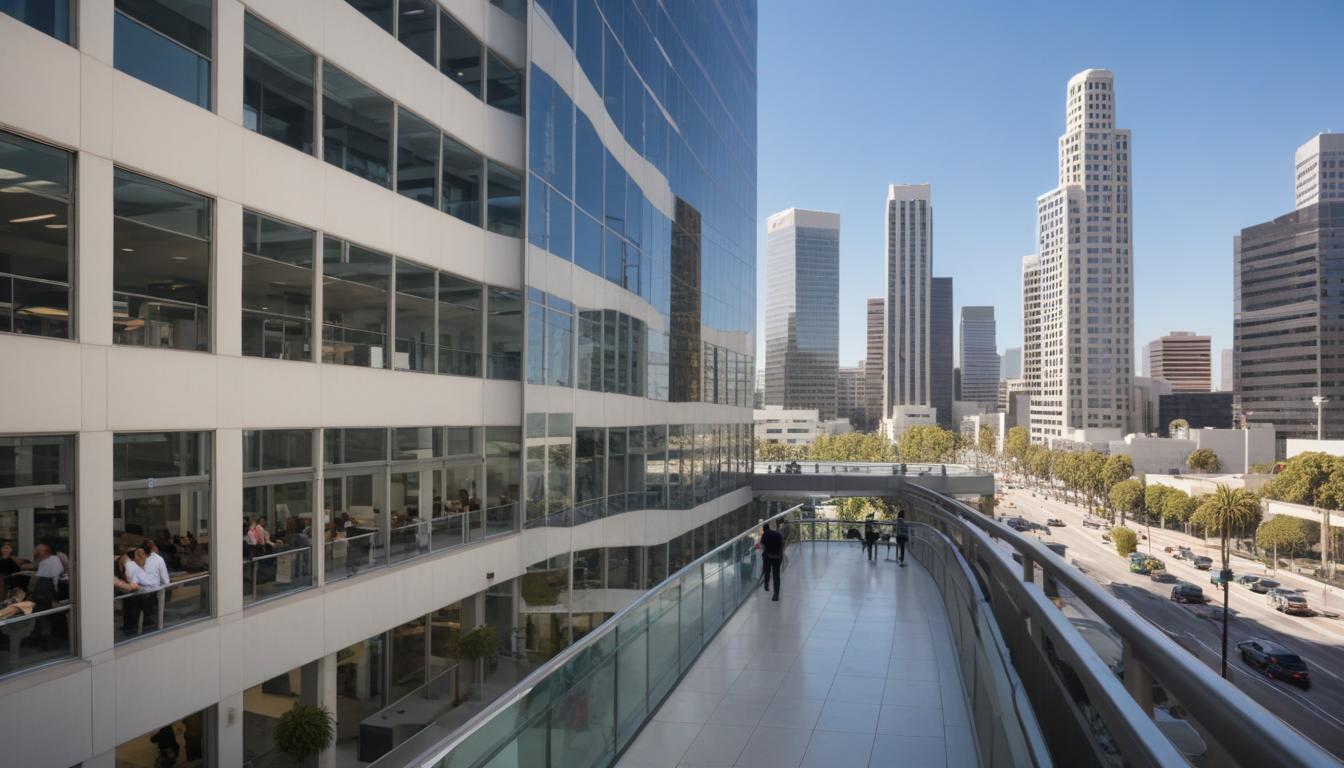
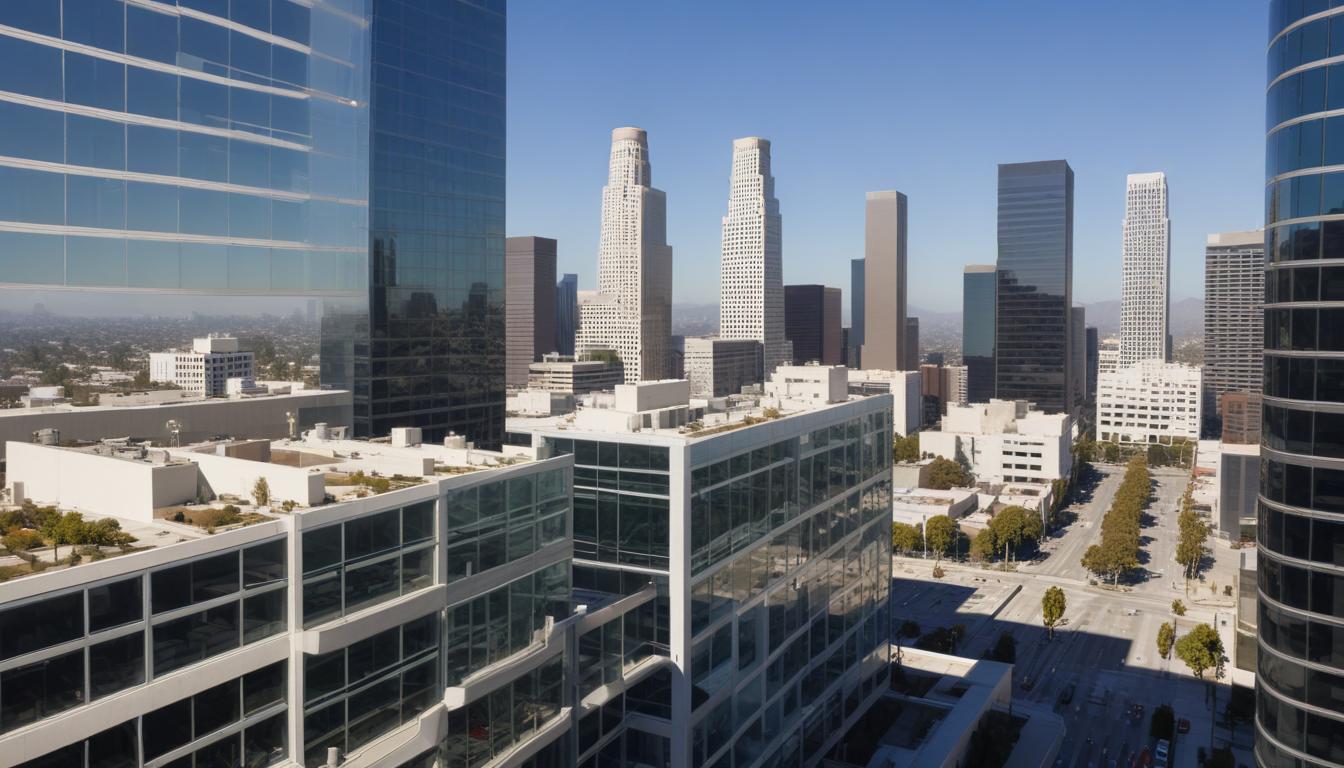
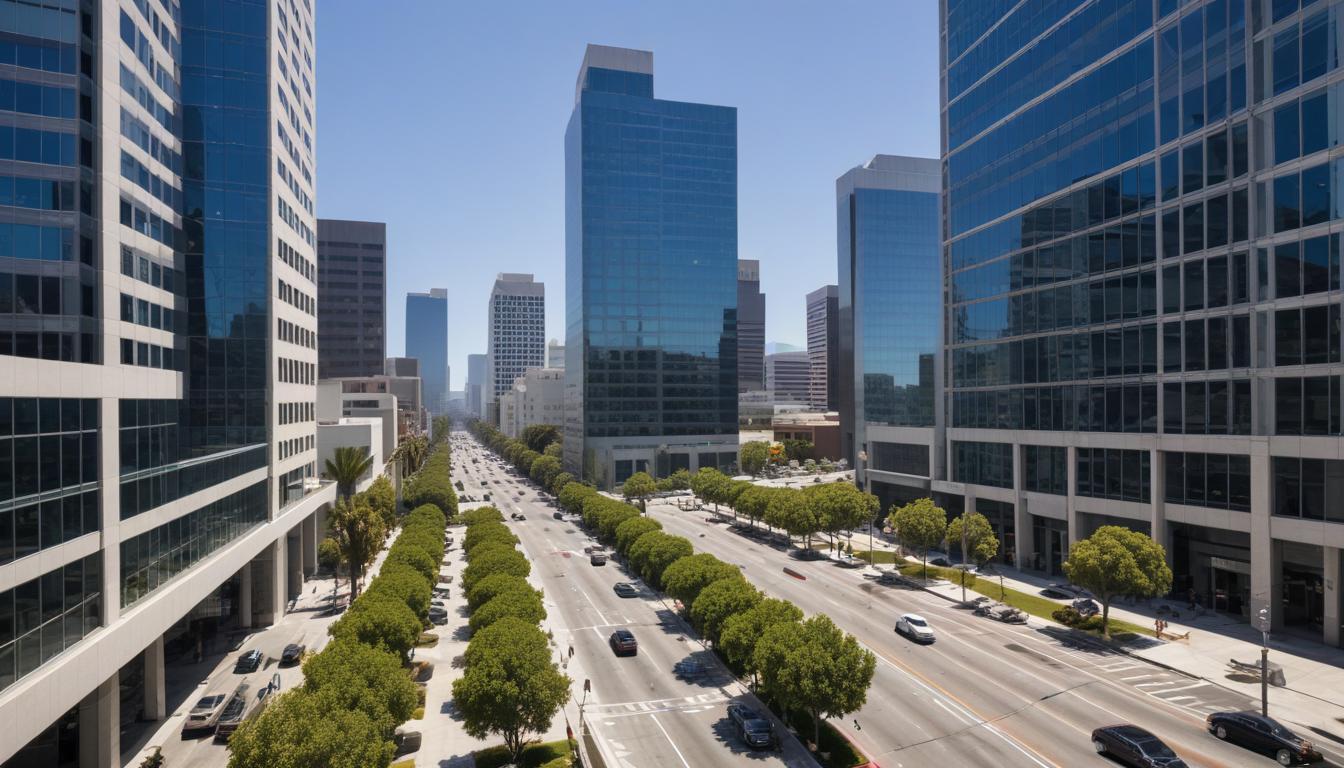
Walk down Flower Street in Downtown LA and you'll notice the cranes are still moving, but at a different pace than two years ago. That visible slowdown reflects something more fundamental happening beneath the surface: a recalibration of how money flows through Los Angeles, driven by shifting economic indicators that few outside the financial world fully understand.
The Federal Reserve's recent interest rate adjustments have sent ripples through local real estate and venture capital markets. When the central bank signals tighter monetary policy, capital becomes more expensive to borrow. For developers eyeing projects in Playa Vista or Arts District lofts, this means recalculating returns and timelines. Meanwhile, venture investors watching AI and biotech startups—sectors with significant LA presence—are applying stricter profitability benchmarks than they did during the low-rate era of 2020-2024.
Inflation, the headline grabbing everyone's attention, tells a more nuanced local story. While national consumer price growth has moderated from 2023 peaks, housing costs in LA remain stubbornly elevated. Median rent in Santa Monica hovers near $2,800 for a one-bedroom, according to recent market data, while purchasing power for middle-income earners has effectively declined. This creates pressure on consumer spending—the engine driving 70 percent of US economic activity.
Yet certain indicators flash green. Employment in Los Angeles County remains resilient, with aerospace, entertainment, and technology sectors continuing to hire. The unemployment rate tracking below 4 percent provides stability, even as wage growth struggles to keep pace with living costs.
What matters most for local business leaders is understanding the directionality. When the yield curve—the gap between short and long-term government borrowing costs—inverts, it historically precedes economic slowdowns. When stock markets rally, retirement portfolios fatten, and wealthy Angelenos spend more freely at restaurants and retail along Rodeo Drive and Third Street Promenade. When commercial real estate faces headwinds, as it does now with remote work reshaping office demand, entire neighborhoods tied to that sector feel the squeeze.
The crucial insight: these aren't abstract Wall Street metrics. They determine whether a construction project breaks ground, whether a startup can raise funding, whether your employer expands headcount. For Los Angeles—a city where entertainment, real estate, and tech intersect—tracking these economic signals isn't just for portfolio managers. It's essential context for anyone watching where growth happens next and how affordability pressures will continue reshaping our neighborhoods.
This article was compiled by AI from the sources linked above and screened before publishing. See our editorial standards.