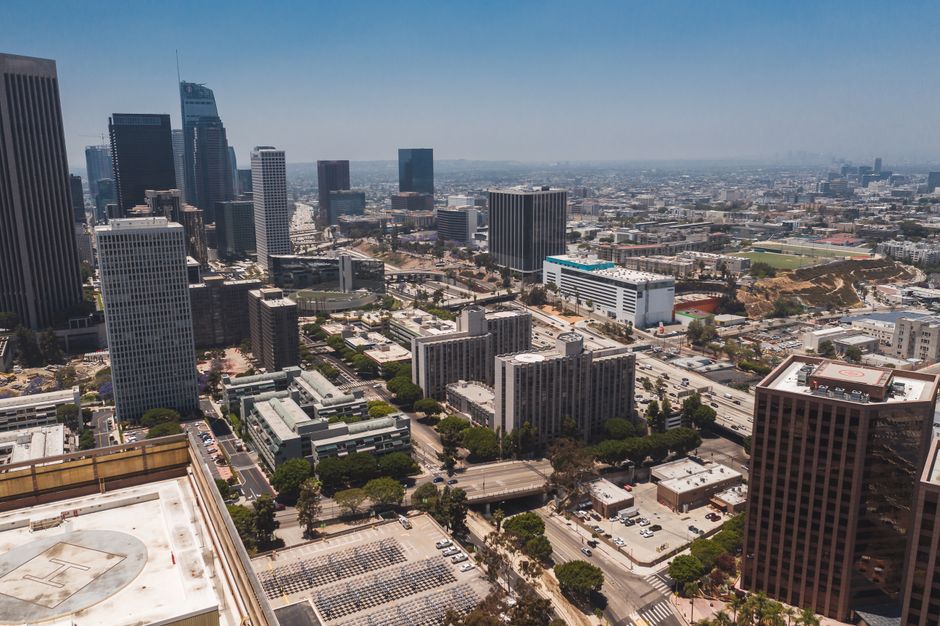
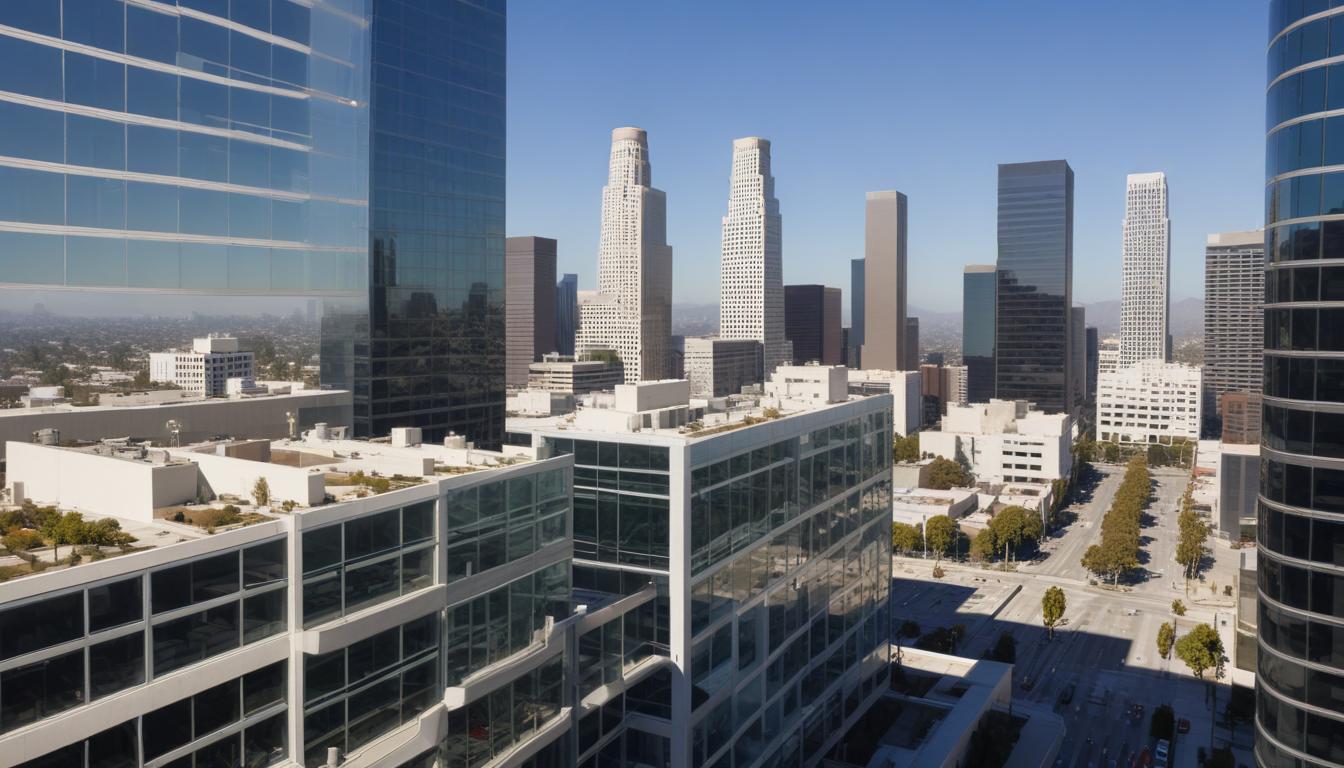
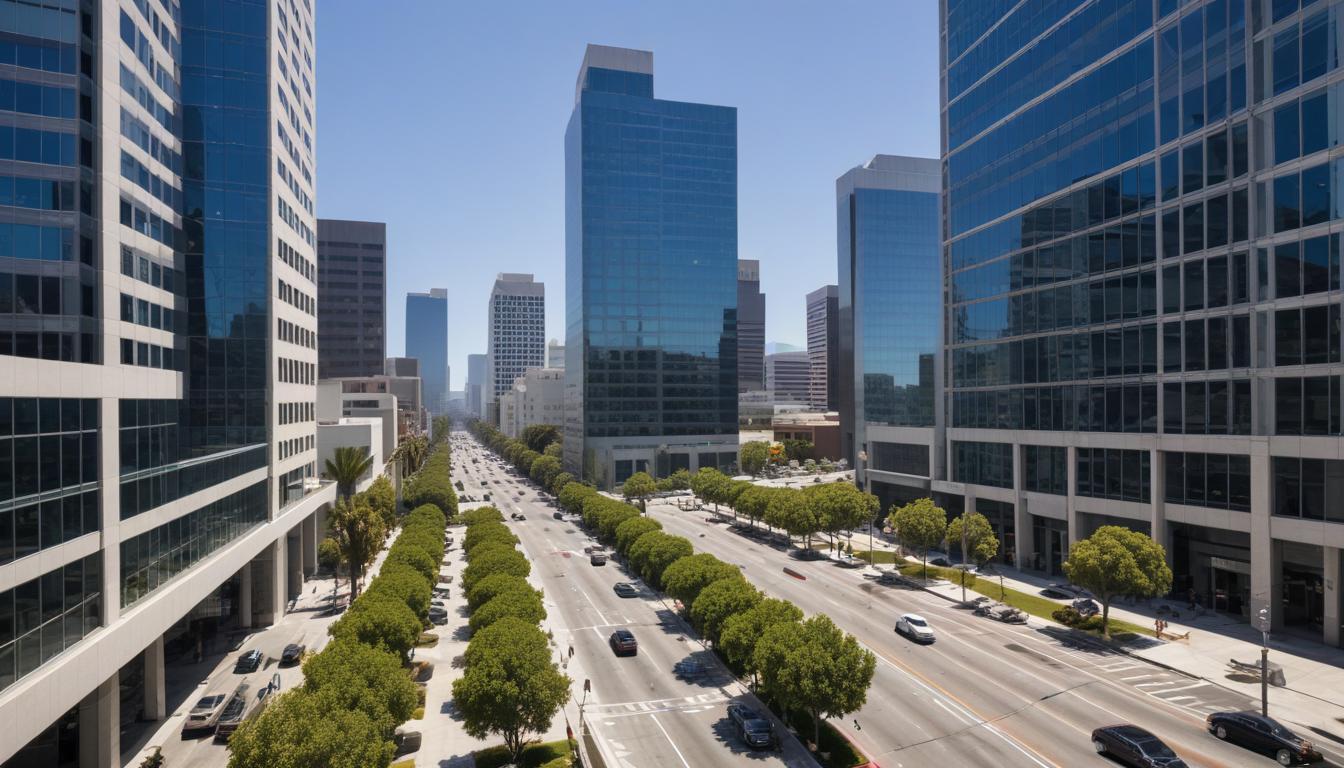
When most commercial real estate investors were retreating from downtown Los Angeles in 2023, architect-turned-developer Maria Chen was acquiring vacant office buildings along Broadway and Spring Street at a steep discount. Today, her gamble appears prescient as the region's office market shows unexpected signs of stabilization.
Chen's firm, Meridian Urban Holdings, has spent the past eighteen months converting three mid-rise office towers in the Historic Core into hybrid spaces combining flexible office suites, creative studios, and ground-floor retail. Her latest project, a 180,000-square-foot renovation at 435 South Spring, recently signed two major media companies and a venture capital firm—a rare victory in a market that saw downtown office vacancy rates hover near 21 percent in early 2026.
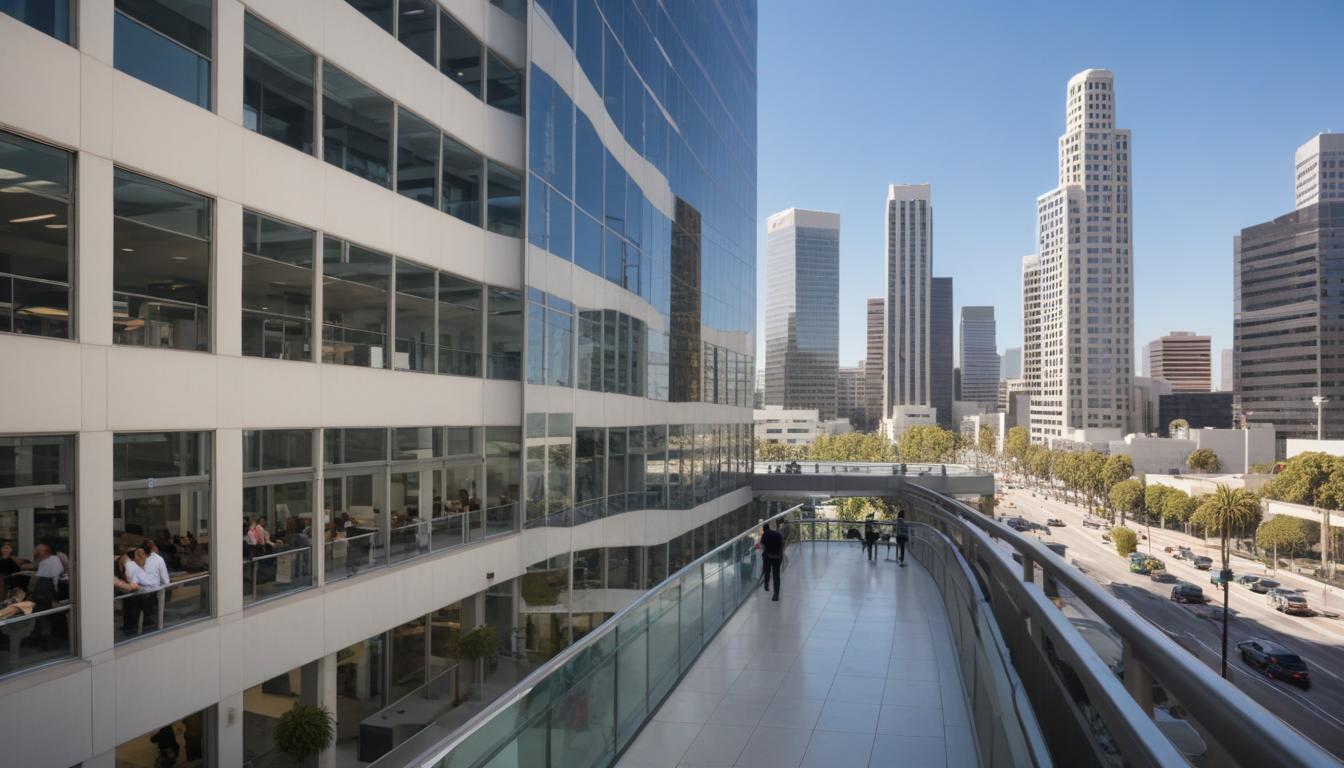
"The pandemic didn't kill office; it killed bad office," Chen explained during a recent tour of the Spring Street property. The building now features modular floor plans, abundant natural light, and a carefully curated ground level with coffee roasters, restaurants, and wellness services—amenities that reflect how companies are now thinking about workplace design.
The downtown LA office market has been brutal. Class A office space that commanded $4.50 per square foot annually in 2019 dropped to $2.85 by 2024. Major corporations consolidated operations or shifted to distributed models, leaving property owners scrambling. Yet Chen's approach—focusing on adaptive reuse rather than demolition, and betting on younger companies seeking community over corporate campuses—appears to be working.
Her success comes as broader trends shift. A June 2026 CBRE report found that Los Angeles office absorption turned positive for the first time since 2021, with creative industries and tech startups leading demand for downtown locations. The appeal, analysts suggest, is cost. Office space in downtown now runs 40 percent cheaper than Santa Monica or Century City, attracting price-conscious growth companies.
Chen's Meridian portfolio now includes properties on Spring, Broadway, and 7th Street, representing roughly 520,000 square feet. She's currently exploring acquisitions in the Arts District, betting that artists and creative firms will anchor a broader downtown revival.
"Los Angeles built much of its prosperity on reinvention," Chen noted. "Downtown's next chapter isn't about preserving what was. It's about creating spaces that actually work for how people want to work now."
Whether her thesis proves durable remains uncertain—the broader office sector still faces structural headwinds. But in a market desperate for optimism, Chen's willingness to invest when others fled has made her a rare bright spot in Los Angeles's troubled commercial real estate landscape.
This article was compiled by AI from the sources linked above and screened before publishing. See our editorial standards.