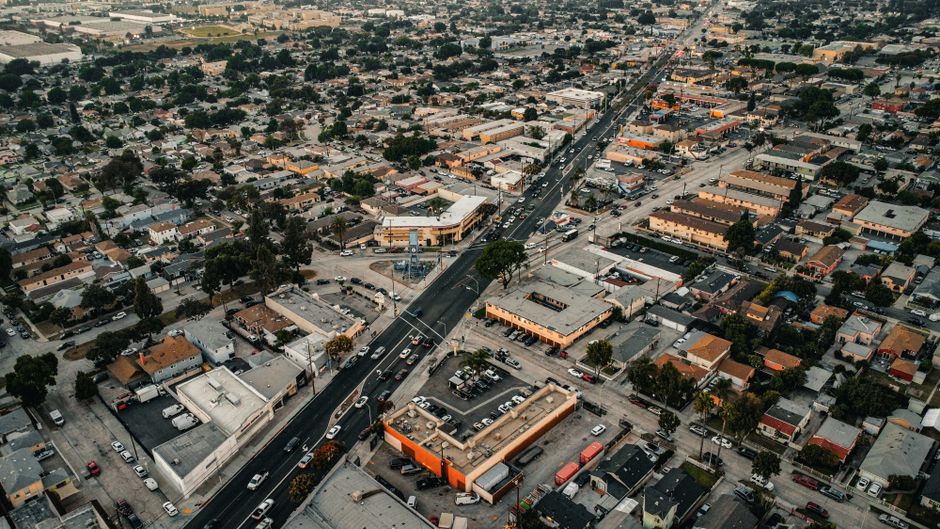
Walk along East 26th Street in Vernon these days and you'll spot them: unmarked industrial buildings outfitted with conveyor belts, climate control, and rows of robotic sorters. Micro-fulfillment centers—compact hubs designed to stock fast-moving consumer goods closer to customers—are spreading across Los Angeles's logistics corridor like never before, and the entrepreneurs betting on this infrastructure play are seeing early validation.
The shift reflects a structural change in retail. With consumer expectations for same-day delivery now table stakes rather than luxury, retailers and third-party logistics providers need distributed networks instead of centralized megawarehouses. Los Angeles, already the nation's gateway port and home to sprawling distribution infrastructure, is uniquely positioned to benefit. But the real money is flowing to those who can execute at scale and agility.
A handful of players are already ahead of the curve. Established 3PL operators have retrofitted older facilities, while a new breed of VC-backed startups has muscled into the space with technology-first approaches. One Santa Monica-based logistics software company that launched in 2024 reports it now manages micro-fulfillment operations across fourteen locations in the greater LA area, up from three a year ago. Meanwhile, independent warehouse operators in the Arts District have seen occupancy rates push past 95 percent, with monthly rents for optimized micro-hub space climbing to $2.50 to $3.25 per square foot—a 40 percent jump from 2024 levels.
The window to enter at favorable terms is closing rapidly. Real estate brokers report that institutional investors—major REITs and logistics giants like DPL and XPO—are now actively acquiring prime locations along the 710 corridor and around the Port of Los Angeles. A 50,000-square-foot facility in Vernon that changed hands in April fetched $18 million, or $360 per square foot, reflecting how aggressively capital is competing.
What's creating the real opportunity, however, is the expertise gap. Most successful micro-fulfillment operators aren't just landlords; they're technology integrators and last-mile orchestrators. Companies managing software for route optimization, labor scheduling, and inventory positioning are seeing demand spike. Several local tech consultancies report their logistics practices have doubled revenue in eighteen months.
For entrepreneurs with operational experience in warehousing, labor, or supply chain technology, the Los Angeles market remains accessible—but only to those who can move fast and solve specific problems. The next wave of winners likely won't own buildings; they'll own the systems that make those buildings work.
This article was compiled by AI from the sources linked above and screened before publishing. See our editorial standards.