Los Angeles Trade Sector Faces Perfect Storm of Geopolitical and Economic Headwinds in 2026
Port congestion, tariff uncertainty, and regional instability are testing the resilience of Southern California's $2.3 trillion global commerce engine.
Port congestion, tariff uncertainty, and regional instability are testing the resilience of Southern California's $2.3 trillion global commerce engine.

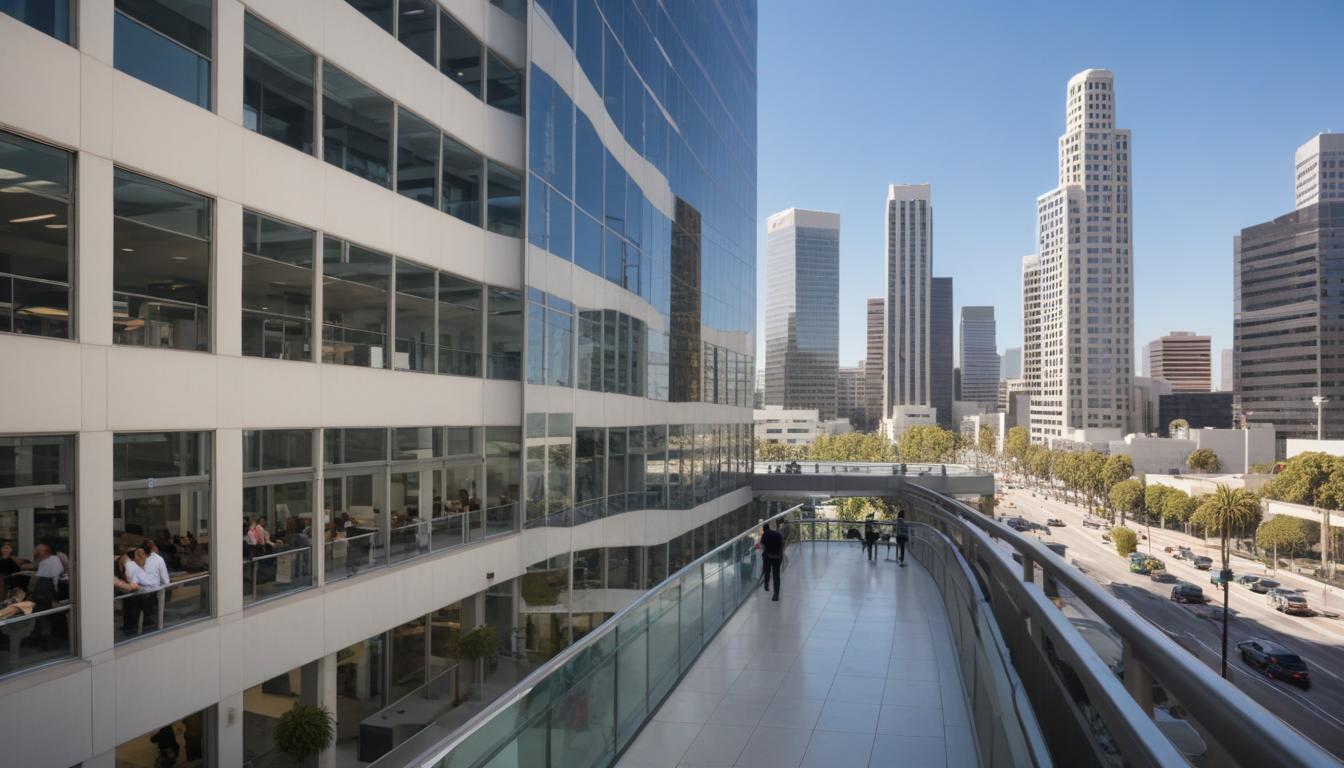
The Port of Los Angeles, which processes roughly 9 million containers annually and anchors the region's $2.3 trillion international trade ecosystem, is navigating a treacherous landscape as 2026 unfolds. Trade professionals working from gleaming office towers along Wilshire Boulevard to the bustling logistics hubs in Vernon are grappling with compounding headwinds that threaten margins and supply chain stability.
Geopolitical tensions in the Middle East and Central Asia have already disrupted shipping routes, forcing carriers to add 10-15 days to transit times via longer circumnavigation paths. For Los Angeles-based importers—including major retailers headquartered here and manufacturers spread across the South Bay—these delays translate into costly inventory backups and missed market windows.
The uncertainty surrounding tariff policy remains the sector's most corrosive challenge. The Downtown financial district has seen increased volatility in logistics stock prices as traders grapple with conflicting signals about trade agreements. Many mid-market businesses, particularly those clustered in the Fashion District and around the Los Angeles World Airports, report they've delayed expansion plans pending clarity on duty structures for goods from key Asian suppliers.
Port congestion, though improved from pandemic-era chaos, remains chronic. Average dwell times for containers at the Port facility have crept back above 4.5 days—well above the optimal 2-3 day target—straining warehouse capacity across Long Beach and surrounding industrial zones. Warehousing costs in the Inland Empire have spiked 8-12% year-over-year as operators bid up lease rates for limited available space.
Currency volatility compounds these pressures. The strengthening dollar makes American exports less competitive globally, while importers face margin compression on goods denominated in weakening currencies. Export-dependent sectors—aerospace suppliers in the South Bay, agricultural processors handling Central Valley produce routed through the Port—report slowing order books.
Regional instability adds an unpredictable variable. The ongoing Pakistan-Afghanistan tensions and Iran's posturing over the Strait of Hormuz could disrupt petrochemical flows critical to Los Angeles-area manufacturing. Meanwhile, disease outbreaks in Africa raise questions about long-term supply chain diversification strategies that many local companies are suddenly reconsidering.
Yet the Port remains fundamentally central to American commerce. Executives gathered recently at the Chamber of Commerce in downtown offices acknowledged the headwinds but expressed cautious determination. Those with diversified supplier bases and flexible logistics networks—hallmarks of more resilient operations—appear positioned to weather the storm better than their less-nimble competitors. For Los Angeles, adapting to volatility has become not a temporary challenge but a structural reality of doing business globally.
This article was compiled by AI from the sources linked above and screened before publishing. See our editorial standards.
How does this story make you feel?
Spread the word
About this article
Published by The Daily Los Angeles
Daily brief
Free, in your inbox before 7am. Weekdays.
More in Business