LA's Retail and Food Scene Faces Margin Squeeze: What Operators Need to Know Right Now
Rising labor costs, shifting consumer habits, and supply chain volatility are reshaping the economics of restaurants and shops across Los Angeles in 2026.
Rising labor costs, shifting consumer habits, and supply chain volatility are reshaping the economics of restaurants and shops across Los Angeles in 2026.
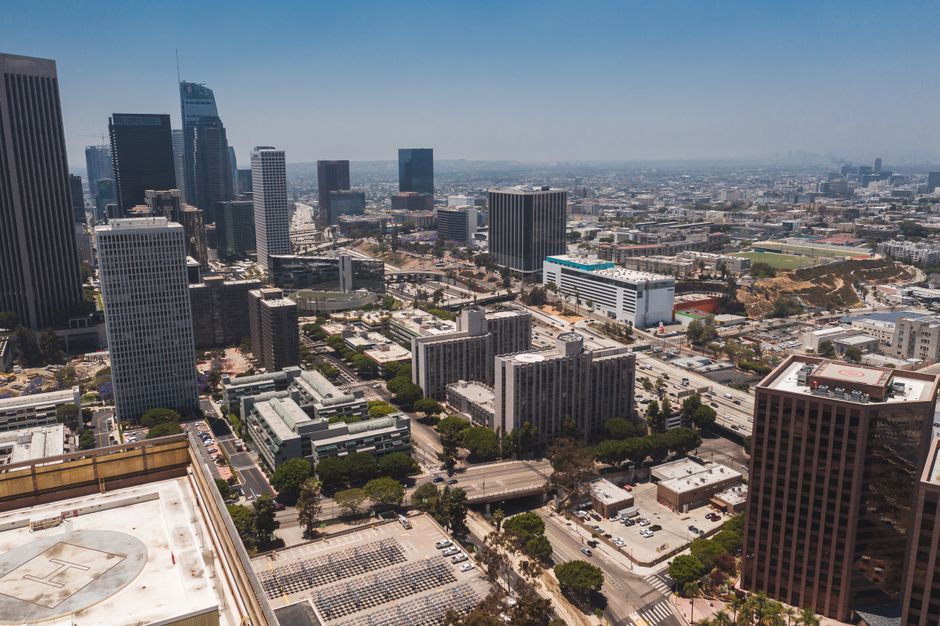
Los Angeles's retail and hospitality sectors are navigating a complex operating environment as mid-2026 approaches, with operators reporting that the traditional playbook for profitability no longer applies. Business owners from Santa Monica to Downtown LA are recalibrating strategies in response to mounting labor pressures, changing customer preferences, and volatile input costs that continue to erode margins even as sales hold relatively steady.
The headline challenge: California's minimum wage, now at $16.50 statewide, has pushed labor costs to represent nearly 35-40 percent of revenue for full-service restaurants, compared to the industry benchmark of 28-30 percent just five years ago. For quick-service establishments on Melrose Avenue, Abbot Kinney Boulevard, and around the Fashion District, the math is even tighter. Several café and casual-dining operators report they've absorbed wage increases rather than pass costs fully to customers, fearing demand elasticity in a market where high-end and fast-casual competitors are proliferating.
Consumer behavior is simultaneously shifting. Data from the Los Angeles Business Journal and local retail analysts show that foot traffic in traditional retail corridors remains soft, with shoppers increasingly favoring online channels or high-density experiential venues. Meanwhile, the food sector is bifurcating: high-end, Instagram-worthy concepts in neighborhoods like Silver Lake and Los Feliz continue drawing crowds, while mid-market casual dining struggles. Fast-casual chains with efficient labor models are outpacing traditional full-service restaurants in growth.
Supply chain disruptions, particularly for produce and imported goods, continue to spike costs unpredictably. Restaurant operators report commodity price volatility of 15-20 percent quarter-to-quarter, making menu pricing and procurement planning nearly impossible. Those with established relationships with local suppliers—a growing trend in areas served by the LA Farmers Market and regional distributors—report better cost stability, though at premium prices.
Industry observers say success in this environment requires three shifts: labor productivity through automation and workflow redesign; menu engineering that emphasizes higher-margin items; and direct-to-consumer strategies that reduce reliance on third-party delivery platforms, which now pocket 25-30 percent of order value. Several Downtown LA restaurants and West Hollywood retailers have invested in their own delivery fleets or point-of-sale integration to capture margin back.
The broader message for LA's business community: 2026 is a year for ruthless operational efficiency. Survival requires more than hoping demand returns to pre-pandemic patterns. The winners will be operators who adapt their cost structure, not those waiting for external conditions to improve.
This article was compiled by AI from the sources linked above and screened before publishing. See our editorial standards.
How does this story make you feel?
Spread the word
About this article
Published by The Daily Los Angeles
Daily brief
Free, in your inbox before 7am. Weekdays.
More in Business