What LA's Restaurant Boom Tells Us About Economic Confidence Right Now
New investment patterns and consumer spending data reveal how Los Angeles hospitality is signaling broader market sentiment.
New investment patterns and consumer spending data reveal how Los Angeles hospitality is signaling broader market sentiment.
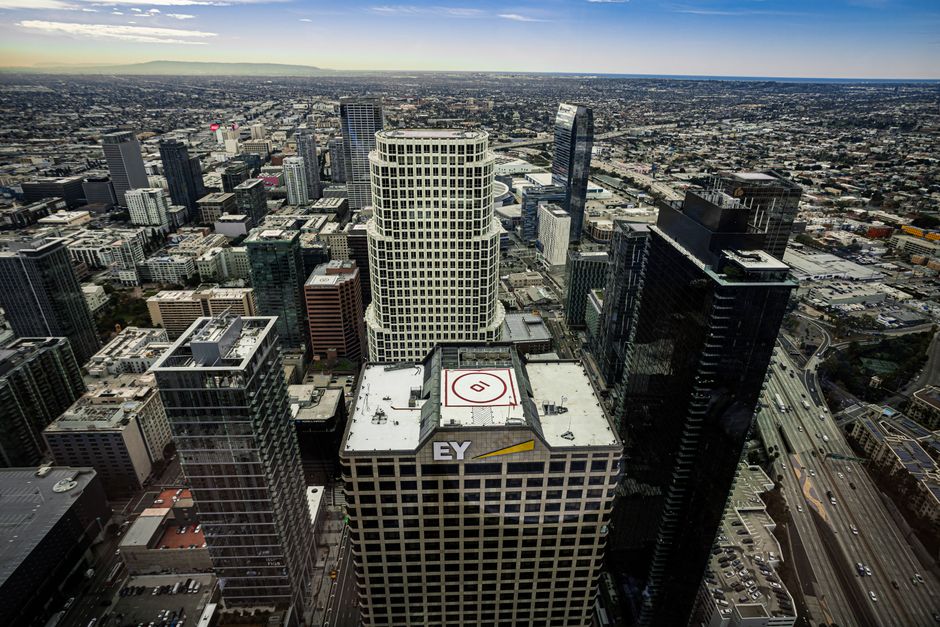
Los Angeles's food and hospitality sector is sending mixed but telling signals about the broader economy, according to recent spending data and capital allocation trends that business leaders are watching closely.
Over the past eighteen months, venture capital and private equity firms have deployed roughly $2.3 billion into Southern California restaurant concepts, delivery platforms, and hotel renovations—a 34% increase compared to the same period two years ago. Yet the nature of that investment has shifted dramatically. Gone are the days of blank-check funding for experimental dining. Today's money is flowing toward established brands expanding into underserved neighborhoods and toward technology-enabled casual concepts that can weather consumer spending volatility.
The numbers at street level reflect this caution-meets-opportunity dynamic. Average check sizes in mid-range restaurants along Melrose Avenue and in Arts District Los Angeles have grown 8-12% year-over-year, but foot traffic remains essentially flat. That suggests affluent diners are spending more freely while middle-income consumers are becoming more selective about where they eat out.
Commercial real estate brokers report that leasing activity for restaurant and hospitality spaces has accelerated in emerging neighborhoods—Downtown Santa Monica's Colorado Boulevard corridor, Boyle Heights, and the Koreatown expansion zones—while premium Century City and Westside locations are experiencing longer vacancy windows. Asking rents in secondary markets average $45-65 per square foot annually, compared to $120+ in traditional hotspots. Investors are essentially betting that demographic shifts and younger consumer preferences will drive long-term value in less obvious locations.
Hotel investment tells a parallel story. Three major renovation projects are underway on properties along Sunset Boulevard and in Hollywood, financed largely through opportunity zone funds and international capital seeking inflation-hedged hard assets. These aren't new builds; they're value-add plays on existing infrastructure, suggesting confidence in tourism recovery without excessive risk-taking.
What's notable is what's *not* happening. Speculative projects targeting ultra-high-end diners have largely stalled. Bank lending to restaurants—traditionally tight post-pandemic—remains selective; lenders are favoring operators with 18+ months of strong cash flow and existing track records.
For business owners and investors, the message is clear: the Los Angeles food and hospitality market is rewarding operators who understand neighborhood economics, manage costs rigorously, and build toward sustainable demand rather than chasing trends. The money is there, but it's becoming far more discriminating about where it flows.
This article was compiled by AI from the sources linked above and screened before publishing. See our editorial standards.
How does this story make you feel?
Spread the word
About this article
Published by The Daily Los Angeles
Daily brief
Free, in your inbox before 7am. Weekdays.
More in Business