What LA Small Businesses Need to Know About the Shifting Market Right Now
From supply chain disruptions to changing consumer behavior, entrepreneurs across Los Angeles are navigating a complex economic landscape that demands strategic adaptation.
From supply chain disruptions to changing consumer behavior, entrepreneurs across Los Angeles are navigating a complex economic landscape that demands strategic adaptation.
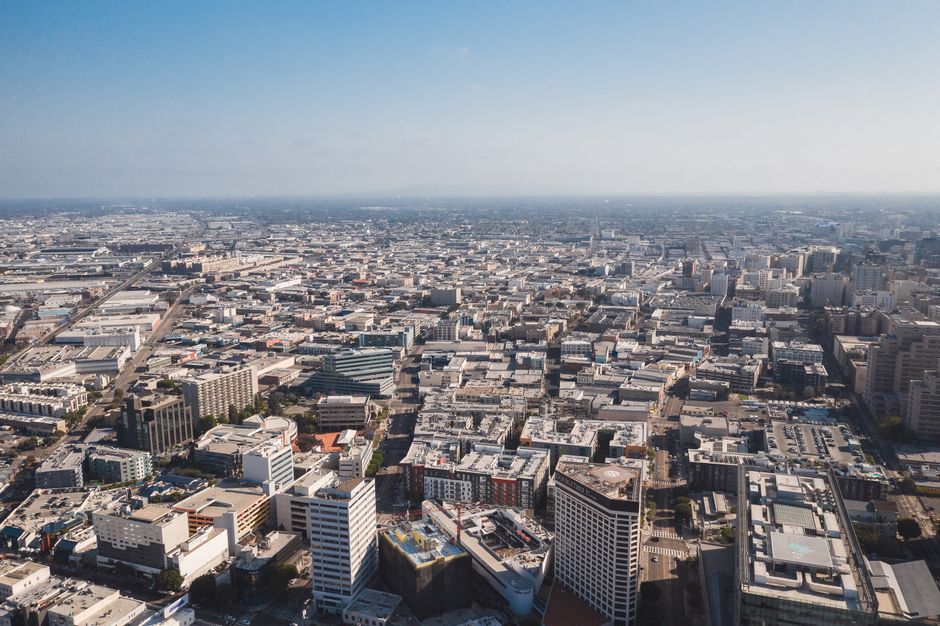
Los Angeles small business owners are facing a pivotal moment. As we head into the second half of 2026, market conditions are shifting faster than many anticipated, forcing entrepreneurs from Santa Monica to Downtown to reassess their strategies and positioning.
The most pressing trend affecting local businesses is the persistent supply chain volatility. Retailers along Melrose Avenue and the Arts District are reporting longer lead times for inventory, with some vendors experiencing 12-week delays compared to the historical 6-8 week standard. This has forced many shop owners to increase safety stock by 15-20%, straining cash flow for businesses already managing tight margins. The Los Angeles Chamber of Commerce reported in their latest quarterly survey that 63% of surveyed small retailers cite supply chain unpredictability as their top operational challenge.
Consumer spending patterns are also recalibrating. While foot traffic in shopping districts like Third Street Promenade remains robust, the composition has shifted dramatically toward experiential purchases over goods. Restaurants, wellness services, and entertainment venues are seeing stronger demand, while traditional retail is contracting. Boutiques and specialty shops are responding by hosting more in-store events and workshops to justify physical retail presence.
Labor costs continue climbing across Southern California. The median wage for retail and service positions has reached $18.50 hourly in Los Angeles County, with experienced managers commanding $28-35 per hour. This is forcing business owners to invest more heavily in automation and operational efficiency. A café owner in Los Feliz noted that labor now represents 38% of operating costs, up from 32% three years ago.
Technology adoption has become non-negotiable. Point-of-sale systems, inventory management software, and social media marketing are no longer luxuries—they're baseline requirements. Businesses that integrated digital tools during previous downturns are outperforming those still relying on legacy systems.
Perhaps most significantly, rent pressures in prime locations continue intensifying. Commercial real estate in emerging neighborhoods like Highland Park and Eagle Rock is attracting relocating businesses seeking relief from Westside and Downtown rents. However, even secondary markets have seen 8-12% annual increases.
For entrepreneurs navigating this environment, the message is clear: flexibility, data-driven decision-making, and community engagement matter more than ever. Successful LA businesses right now are those monitoring metrics closely, staying responsive to consumer behavior shifts, and finding creative solutions to operational constraints. The market isn't collapsing, but it's certainly rewarding those who adapt quickly.
This article was compiled by AI from the sources linked above and screened before publishing. See our editorial standards.
How does this story make you feel?
Spread the word
About this article
Published by The Daily Los Angeles
Daily brief
Free, in your inbox before 7am. Weekdays.
More in Business