What LA's Startup Funding Slowdown Really Means: A Clear Guide to the Numbers
Venture capital flows into Los Angeles tech ventures have shifted dramatically in 2026—here's what the data tells us about the city's innovation economy.
Venture capital flows into Los Angeles tech ventures have shifted dramatically in 2026—here's what the data tells us about the city's innovation economy.
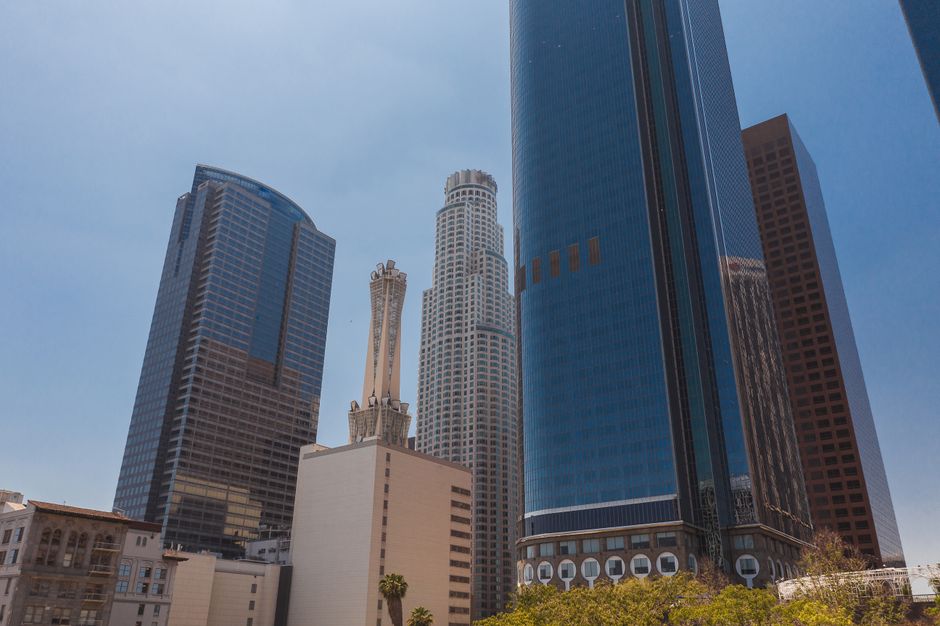
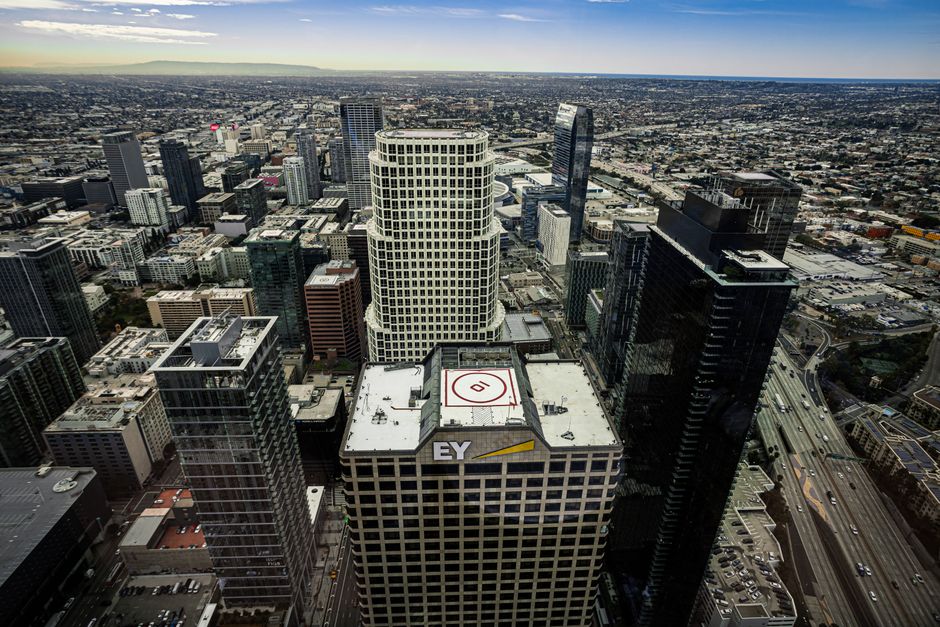
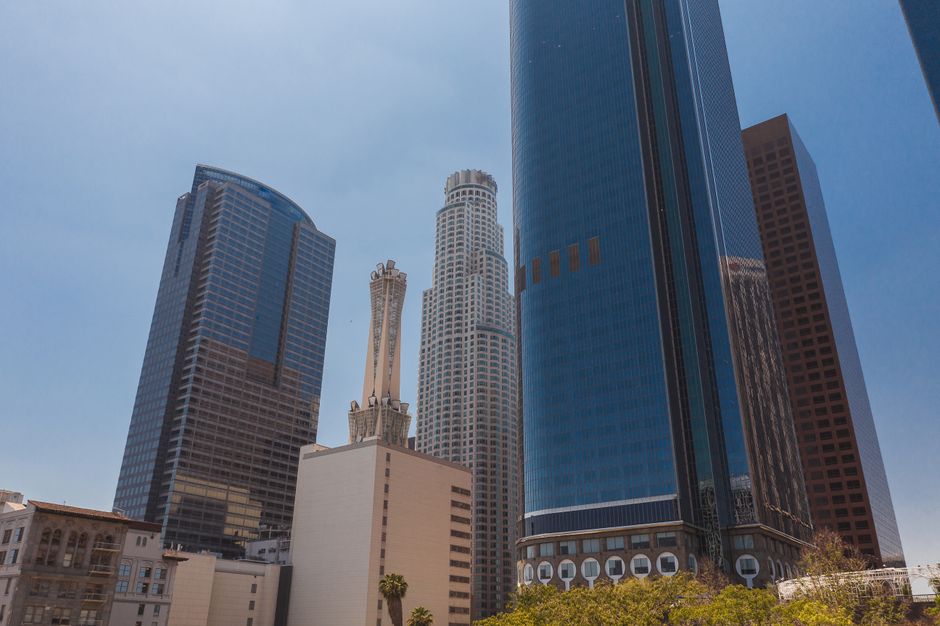
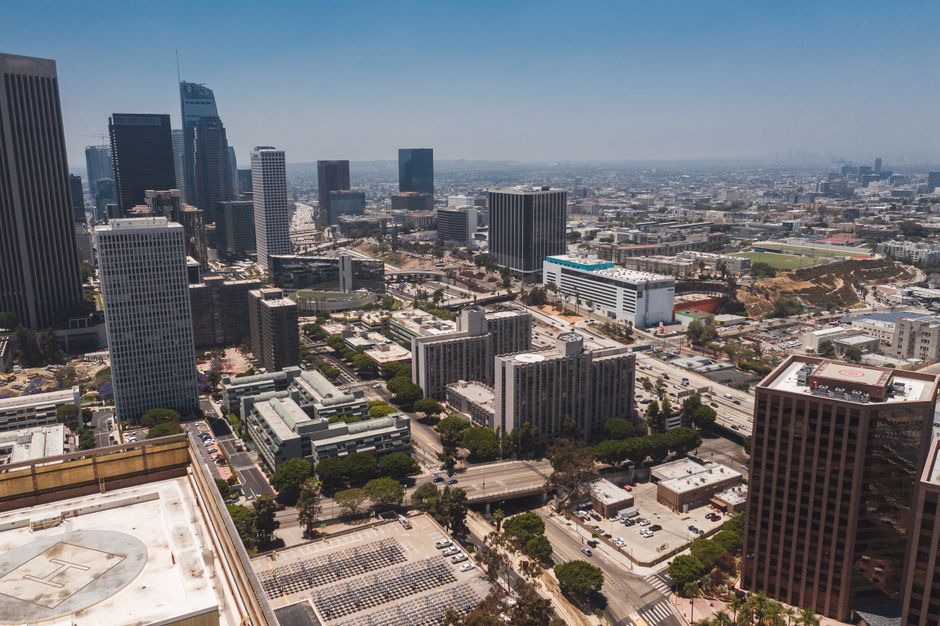
Los Angeles's startup ecosystem is experiencing a recalibration that's reshaping how capital moves through the region's innovation corridors. After a robust 2024-25 run, venture funding into LA-based companies has contracted roughly 23% year-over-year through mid-2026, according to tracking by regional investment databases—a shift that requires understanding both what's changing and why it matters for the broader economy.
The Santa Monica and Playa Vista corridor, historically a powerhouse for tech investment, has seen median Series A rounds shrink from $8.2 million in early 2025 to approximately $6.3 million today. Meanwhile, downtown Los Angeles and the Arts District have emerged as unexpected winners, with biotech and climate-tech startups securing 31% more early-stage capital than equivalent ventures in West LA neighborhoods. The shift reflects a broader national pattern: investors are rotating away from consumer-focused apps toward companies addressing infrastructure, energy, and healthcare challenges.
This reallocation carries tangible implications for real estate and employment. WeWork locations in Santa Monica report a 14% decline in startup tenancy since January, while newly renovated spaces near the LA Convention Center and along the 110 corridor are at 87% occupancy. Property managers note that emerging founders increasingly prefer shorter lease terms and shared facilities—a practical response to tighter funding environments.
Angel and seed-stage activity tells a different story. Individual investors and rolling funds have actually increased their activity, up 18% compared to last year, suggesting that founders with strong local networks retain access to early capital. The UCLA Anderson Venture Lab and Plug and Play's LA outpost report robust participation from both established entrepreneurs and first-time fund managers deploying capital in the $250K to $1M range.
Understanding these flows matters because they predict hiring patterns, commercial real estate demand, and infrastructure pressure. A contraction in venture funding typically precedes a 6-to-9-month lag in startup hiring—roughly 4,000-6,000 potential tech jobs across the region. Conversely, the uptick in climate and biotech investment signals where Los Angeles's next growth clusters will likely concentrate.
The broader context: Los Angeles remains the nation's second-largest venture ecosystem by total deployment, behind only the Bay Area. Yet concentration matters. Capital is becoming more selective, flowing toward founders with established track records and toward problem-spaces—water technology, battery manufacturing, precision medicine—where LA possesses genuine competitive advantages. For entrepreneurs and investors, the message is clear: success in 2026 rewards specificity over hype.
This article was compiled by AI from the sources linked above and screened before publishing. See our editorial standards.
How does this story make you feel?
Spread the word
About this article
Published by The Daily Los Angeles
Daily brief
Free, in your inbox before 7am. Weekdays.
More in Business