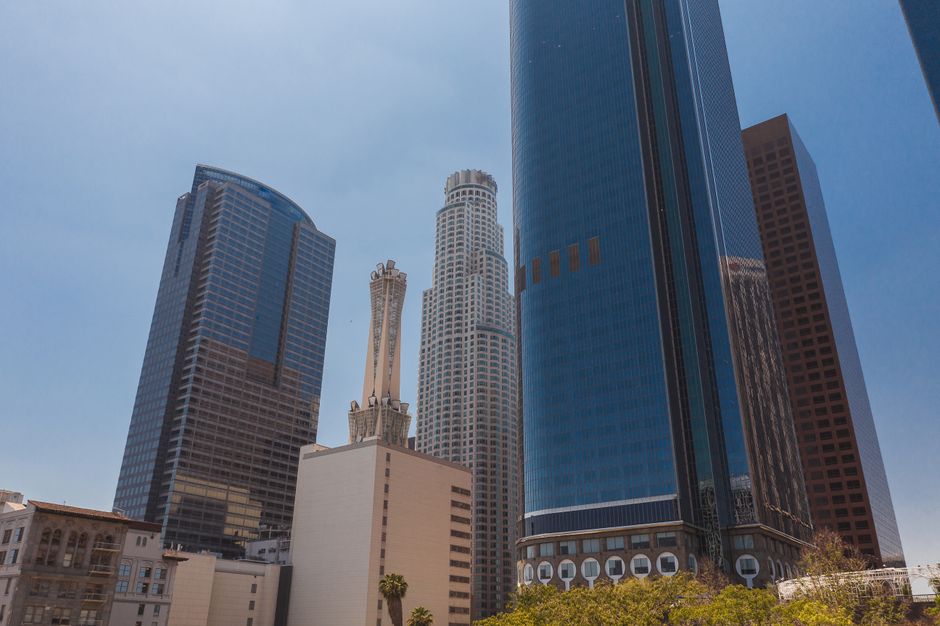
Los Angeles's startup ecosystem is at an inflection point. After years of explosive growth fueled by tech migration and pandemic-era remote work, the innovation districts stretching from Downtown's Arts District through Santa Monica's Westside are experiencing a marked slowdown in both funding and real estate velocity—a reality entrepreneurs and investors say will reshape the city's competitive advantages.
The numbers tell a sobering story. Venture capital deployments in Southern California declined 34% in the first half of 2026 compared to the same period last year, according to data from the Los Angeles County Economic Development Corporation. Meanwhile, Class A office space in the Playa Vista and Bunker Hill submarkets—traditional hubs for tech companies—hovers at 15-17% vacancy, with asking rents averaging $4.50 per square foot monthly, down from $5.20 just two years ago.
"The era of 'growth at all costs' is definitively over," says the mantra echoing through co-working spaces like Launch LA on Santa Monica Boulevard and WeWork outposts across the Arts District. Founders now face intensifying pressure to demonstrate profitability timelines and path-to-revenue strategies that would have seemed obsessive in 2023.
Real estate brokers working Central Avenue and the emerging tech corridor near USC report that mid-stage startups are consolidating workspace rather than expanding. Those that bet on aggressive square footage growth are now renegotiating leases or subleasing surplus capacity at losses. Early-stage companies, meanwhile, increasingly favor flexible arrangements or satellite offices to hedge against uncertainty.
But seasoned market observers caution against dismissing LA's innovation potential. The city's advantages—proximity to entertainment and aerospace industries, world-class universities, affordable talent compared to the Bay Area, and a built-in consumer market of 13 million—remain durable. What's shifted is selectivity. Investors are backing founders with demonstrated traction and disciplined unit economics, not speculative pitches.
Industry groups like the Los Angeles Cleantech Cluster and LACI (LA Clean Tech Incubator) in downtown's Fashion District report sustained interest in climate technology and advanced manufacturing. These sectors, less sensitive to sentiment-driven capital flows, continue attracting steady investment.
For LA's entrepreneurs, the message is clear: ruthless execution and honest accounting matter more than ever. The runway for "move fast and break things" has shortened dramatically. Companies that adapted their strategies in the past eighteen months—cutting burn rates, narrowing focus, or diversifying revenue streams—are now better positioned than growth-obsessed peers still burning through 2024-era funding rounds.
The innovation districts will survive this correction. But they'll look different. More mature. More grounded in fundamentals. That's not a catastrophe—it's probably overdue.
This article was compiled by AI from the sources linked above and screened before publishing. See our editorial standards.